
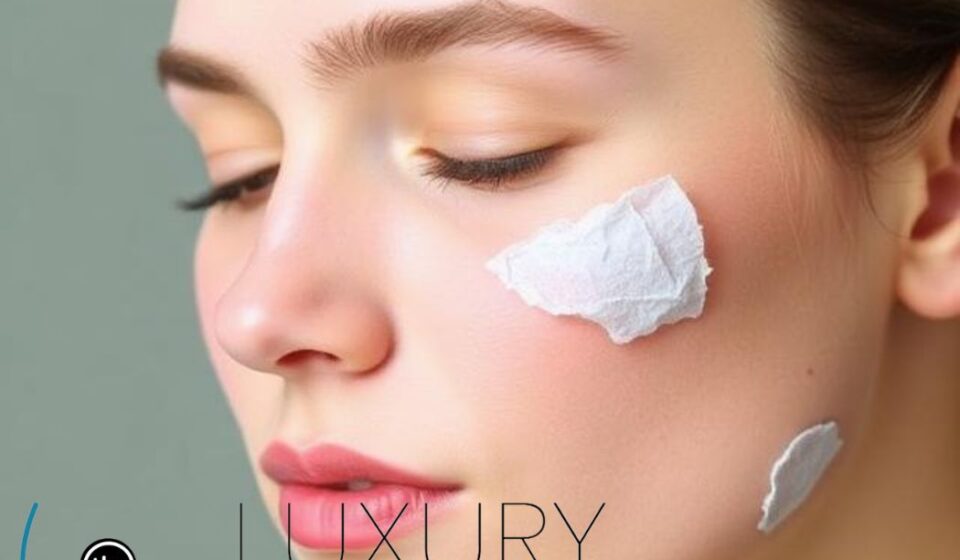
Why Is My Skin Peeling? You know that moment you look in the mirror and instead of a glow, you see a map of dry, flaky patches? Or maybe you just peeled a strip of dead skin off your sunburned shoulder and are wondering, “Is this normal, or am I a lizard?”
First, take a deep breath. Your skin is the organ that takes the most direct abuse from the outside world. It is your armor, and sometimes, that armor needs to be shed. While peeling skin is often a sign that your body is healing, it can also be a distress signal.
The confusion is understandable. One day, your skin is smooth; the next, it is flaking off like wallpaper. It could be an angry reaction to a new face cream, a stubborn fungal infection, or even a sign you have been neglecting your moisture barrier. According to Dr. Jennifer Holman, a dermatologist in Texas, “Peeling skin doesn’t result from one thing. Instead, there are a variety of factors that cause skin to peel.”
In this guide, we are going to go beyond the generic “just use lotion” advice. We will look at the science, decode the different reasons for peeling, and tell you exactly what to do, whether you need a quick fix or a trip to the dermatologist. After all, understanding why your skin is peeling is the first step toward stopping it for good.
What is “Desquamation” and Why Does It Happen?
Medically, this flaking process is called desquamation. It is the natural shedding of your epidermis—the outer layer of your skin. You are constantly shedding dead skin cells to make room for new ones.
However, the visible peeling we are talking about is not just normal cell turnover. It is an accelerated, often visible shedding caused by damage or inflammation. Think of it as your skin hitting the emergency exit. It is peeling because the outer layer is compromised, and the body wants to get rid of the bad cells to reveal the healthy new ones underneath.
The 7 Root Causes of Peeling Skin
To fix the problem, you need to know the culprit. Here are the seven main reasons why your skin might be peeling, ranging from the everyday to the serious.
1. Environmental Assault: Sun and Dry Air
This is the most common cause. A sunburn is a radiation burn. When the UV rays damage your skin cells, the body triggers apoptosis (cell death) to prevent mutations. A few days later, your skin peels to remove that damaged layer. Similarly, extreme cold, low humidity, and indoor heating literally suck the moisture out of your skin, causing dry skin to crack and flake.
2. Contact Dermatitis (The Irritant)
Have you swapped your laundry detergent or tried a new retinol cream? If so, your skin might be voicing its displeasure. Contact dermatitis occurs when your skin touches an irritant or allergen. This can be harsh soaps, fragrances, dyes, or even certain metals. The skin becomes inflamed, red, and often peels as a result of the irritation.
3. Fungal Infections (The “Tinea” Family)
Itching and peeling between your toes is a classic sign of athlete’s foot (tinea pedis). Fungal infections thrive in warm, moist environments like sweaty socks. The fungus feeds on keratin, causing the skin to break down and flake off. Tinea versicolor (a yeast infection on the trunk) and ringworm can also cause scaling.
4. Chronic Skin Conditions
If the peeling is persistent and itchy, you are likely dealing with a chronic issue like eczema (atopic dermatitis) or psoriasis. Eczema compromises the skin barrier, making it dry and prone to flaking. Psoriasis is an autoimmune condition where the skin produces cells too quickly, leading to thick, silvery scales that peel.
5. Medical Treatments: Why Is My Skin Peeling?
Ironically, treatments meant to make you look younger or treat acne can cause peeling. Retinoids work by speeding up cell turnover, which inevitably causes the top layer to slough off. More seriously, radiation and chemotherapy cause skin cells to shed rapidly.
6. Friction and Edema
If your shoes rub against your feet, you get blisters and eventually peeling. Additionally, if you have swelling (edema) in your feet or legs, the skin stretches. As the swelling goes down, the stretched skin often peels.
7. Underlying Systemic Issues
Sometimes, peeling skin is a symptom of a deeper internal issue. This includes nutritional deficiencies (like a lack of zinc or Vitamin A), autoimmune disorders, or even genetic conditions like “Peeling Skin Syndrome”.
What NOT to Do (The Golden Rule)
Before we get into treatment, let’s address the elephant in the room: the urge to pick.
Do NOT peel your peeling skin. I know it is satisfying. I know it looks like it is just hanging there. But the skin underneath is new, raw, and vulnerable to infection. Pulling off that dead layer “can create an opening that lets in bacteria,” explains the Cleveland Clinic. Resist the urge. Let it fall off naturally.
The Action Plan: How to Heal Peeling Skin: Why Is My Skin Peeling?
Now that you know the “why,” here is the “how” for immediate relief and long-term prevention.
For Sunburns and Minor Dryness: Why Is My Skin Peeling?
- Moisturize Immediately: Apply a thick, fragrance-free cream or ointment (like Cerave, Cetaphil, or Vaseline) within three minutes of showering to lock in moisture. Dr. Pearl Rimtepathip, a board-certified dermatologist, specifically recommends petrolatum-based products like Vaseline “twice daily” to create a protective barrier.
- Cool It: Use cool compresses to soothe the heat. Take short, lukewarm showers (not hot!) to avoid stripping natural oils.
Hydrate: Drink plenty of water, but remember that dry air is your enemy. Use a humidifier to add moisture to the air in your home, especially in winter. - For Suspected Fungal Infections: Over-the-counter antifungal creams (like clotrimazole or miconazole) are usually effective for mild cases. However, make sure to keep the area clean and dry—fungus loves moisture. Change your socks daily and wear breathable shoes.
For Persistent Issues (Eczema, Psoriasis, Allergies): Why Is My Skin Peeling?
See a Dermatologist: Dr. Holman emphasizes it is important to “partner with a dermatologist to diagnose the cause” before you attempt to treat chronic issues.
Topical Steroids: A doctor might prescribe topical corticosteroids to reduce the inflammation that causes the peeling.
FAQs: About Why Is My Skin Peeling?
Q: My face is peeling. Should I scrub it?
A: No. Avoid exfoliating the peeling skin on your face. Friction can worsen the irritation. Use a gentle, fragrance-free cleanser and apply moisturizer. “Picking at or pulling off peeling skin can create an opening that lets in bacteria”.
Q: When should I see a doctor about peeling skin?
A: If you have a fever, signs of infection (pus, swelling, oozing), severe pain, or if the peeling is unexplained and persists for more than a week or two, seek medical attention. If you have a chronic condition like diabetes, you should also seek advice sooner to prevent complications.
Q: Can internal health issues cause peeling skin?
A: Yes. Conditions like hormonal imbalances, thyroid disorders, and autoimmune diseases can impair the skin’s ability to repair itself, leading to peeling. A dermatologist may order blood tests if they suspect an internal cause.
Q: Is it safe to use retinol if it makes my skin peel?
A: Yes, but you might need to adjust the frequency. “Retinoids” are a common cause of peeling due to accelerated cell turnover. Reduce usage to once every two days until your skin builds a tolerance, and always apply a moisturizer afterward.
Final Verdict
Peeling skin is usually a sign of healing, not doom. Whether it is the aftermath of a sunburn, a reaction to a product, or a symptom of a chronic condition like eczema, the treatment plan starts with gentleness.
Don’t pick it. Moisturize it. And if it doesn’t stop, get it checked.
Here are your key takeaways:
Identify the cause: Is it sunburn, dry air, a new product, or a possible fungal infection?
Hydration is your priority: Use thick moisturizers on damp skin.
Let it be: Let the skin fall off on its own to avoid infection.
Professional help: If over-the-counter fixes fail, see a dermatologist to rule out underlying conditions.
Sources:
MedlinePlus Medical Encyclopedia (U.S. National Library of Medicine)
Cleveland Clinic
London Dermatology Centre
U.S. Dermatology Partners
Verywell Health
CARE Hospitals
Acibadem Health Point
United Derm Partners
FOR FURTHER INFORMATION, VISIT: THELUXURYLIFEMAGAZINE.COM