
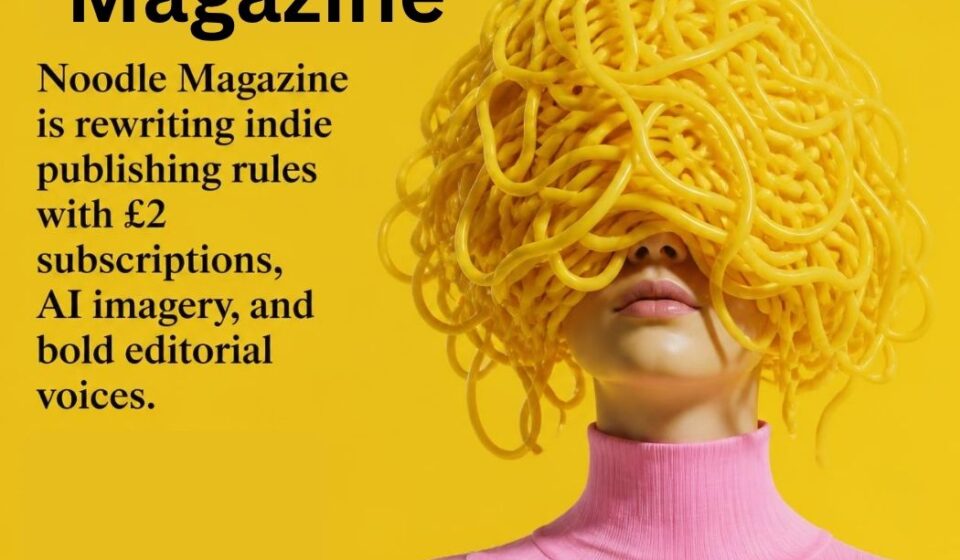
What do you get when you cross a childhood comfort food with a luxury fashion spread, a techno-optimist manifesto, and a £2 monthly subscription? If you guessed anything other than Noodle Magazine, you’re not alone—and that’s precisely the point.
The name confuses people. It’s supposed to. In a publishing landscape dominated by algorithmic feeds, clickbait headlines, and the slow death of the newsstand, a magazine called “Noodle” has quietly carved out something genuinely strange and surprisingly successful. And as of 2026, it’s become a case study in how independent media can survive by refusing to play by anyone else’s rules.
This isn’t a story about ramen recipes or food criticism. It’s about a media brand that borrowed the humble noodle’s defining trait—versatility—and applied it to the business of storytelling.
Background: From Manhattan Apartment to International Expansion
The story begins in 2019, when Shahina Khan and Khurram Pervaiz Khan founded NoodleMagazine with a deceptively simple mission: great magazines shouldn’t break the bank. Operating under Capital Technologies Ltd in the UK, the company started as a magazine subscription service offering curated titles across fashion, technology, lifestyle, and health categories.
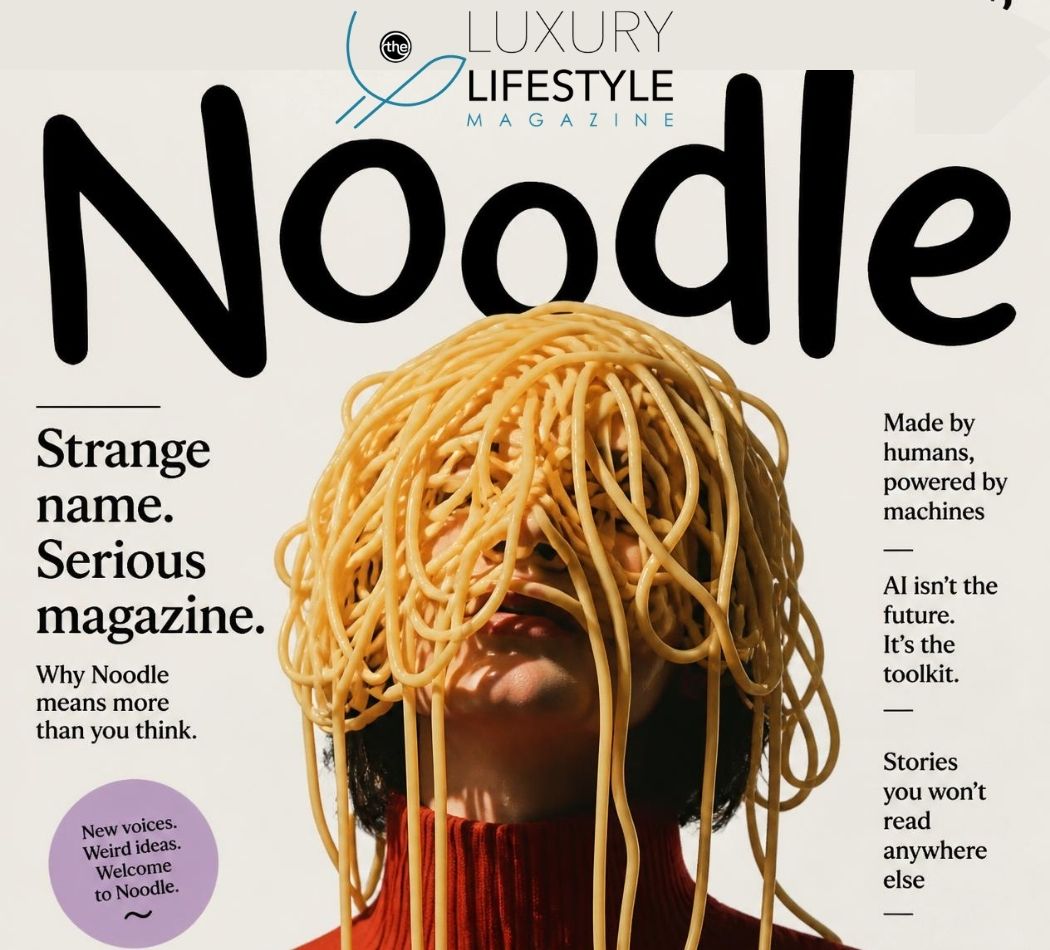
But here’s where it gets interesting. The name “Noodle” wasn’t a reference to food—it was a reference to what magazines do best. A noodle stretches. It adapts. It takes on the flavor of whatever it’s paired with. That’s the philosophy Shahina and Khurram built their company on: flexibility over rigidity, accessibility over exclusivity.
By November 2025, the company had brought on Mohammad Ahsan as a founding partner, specifically to scale their digital presence and SEO infrastructure across UK and US markets. The expansion wasn’t just geographical—it was philosophical. NoodleMagazine wasn’t content to be a subscription aggregator anymore. It wanted to create content, not just curate it.
The Noodle Magazine Ecosystem: More Than You Think
The UK Publication: Where Things Get Unconventional
If you visit noodle-magazine.co.uk today, you’ll find something that looks less like a traditional magazine website and more like an art project disguised as a commerce platform. The September 2026 issue of their flagship publication, After Dark, opens with a Danny Boyle profile tied to the 83rd Venice Film Festival, then pivots to fiction about a card sharp at Quaglino’s, then wanders into cabaret coverage, vintage Scotch reviews, and a Glasgow fox stealing milk from a doorstep.
Every single photograph in the issue is AI-generated. The magazine says so on the cover, the masthead, and every page where an image appears. The models are fictional. The fashion spreads are synthetic. And the editorial team isn’t apologizing for any of it.
“We made a second magazine for the part of the evening the first one leaves behind,” the editors write in the issue’s introduction, describing After Dark as something “stirred slowly over one large cube, sweet vermouth against a bitter edge so neither one gets away with anything”.
That’s not marketing copy. That’s a position.
The Subscription Model: Undercutting Everyone
While traditional magazines charge £8-12 per issue, NoodleMagazine’s subscription starts at just £2 per month. Bundled offers and annual plans bring that down further. The company negotiates directly with publishers to pass savings to readers, relying on volume and operational efficiency to make the math work.
It’s the same strategy that made streaming services successful—and the same strategy that’s currently squeezing traditional print. NoodleMagazine didn’t invent the model, but it applied it to a category that had been stubbornly resistant to change.
The US Operation: A Different Beast Entirely
Here’s where things get complicated. The US-based NoodleMagazine (noodlemagaziney.com) operates under a completely different structure, founded by Nicole Webb, a publishing veteran with 20+ years of experience as an author and publicist. Webb’s version is a curated marketplace, personally vetting every title in a catalog of 100+ magazines shipping to over 50 countries.
“I started making lists—magazines I loved, magazines my friends loved, publications I’d discovered through my professional network that deserved wider audiences,” Webb explains. “NoodleMagazine officially launched from my apartment in Manhattan, with about 30 carefully selected titles and zero idea whether anyone would care”.
The two operations share a name but not a corporate structure. The UK side creates original content. The US side curates and distributes. It’s a fascinating experiment in fractal branding—same name, different expressions, united by a philosophy of accessibility and quality.
Why “Noodle”? The Strategic Genius of a Confusing Name
Let’s address the elephant in the room. “Noodle Magazine” is a terrible name for a fashion publication. It’s a confusing name for a tech magazine. It’s borderline absurd for a lifestyle brand targeting affluent readers.
That’s exactly why it works.
The Memorability Factor
In a market saturated with publications named things like Monocle, Kinfolk, and Cereal—names designed to signal taste and restraint—”Noodle” stands out by being unpretentious. It’s warm. It’s slightly silly. It’s the kind of name that makes people ask questions, which is the first step toward engagement.
The Versatility Metaphor
More importantly, the name captures something true about the brand’s approach. Noodles work in soup, stir-fry, salad, and casserole. They absorb flavors. They adapt. Noodle Magazine does the same thing—it moves between fashion, technology, nightlife, motoring, and fiction without losing coherence. Most magazines struggle with this kind of range. Noodle embraces it.
The Community Signal
There’s also something almost anti-elitist about the name. It signals that this isn’t a magazine for people who take themselves too seriously. It’s for people who want quality content without the accompanying pretension. That’s a powerful differentiator in a market where luxury publishing often feels like a members-only club.
The AI Question: Innovation or Existential Threat?
Perhaps the most controversial aspect of Noodle Magazine’s UK operation is its full embrace of AI-generated imagery. Every photograph in After Dark and the September 2026 flagship issue is machine-made. The magazine declares this openly, captioning each image with disclosure.
The Case For It
Traditional fashion photography is expensive. A single editorial spread can cost tens of thousands of pounds between models, photographers, stylists, locations, and post-production. AI generation collapses that cost to near zero, allowing a small independent publisher to compete visually with established players.
There’s also a creative argument. AI-generated imagery can achieve things traditional photography can’t—impossible lighting, surreal compositions, perfect consistency across an entire issue. The After Dark pictorial described as “all noir shadow and cabaret feathers” wouldn’t be feasible on a small budget with real photography.
The Case Against It
The obvious objection is economic: AI imagery displaces human photographers, stylists, and models. For a publication that positions itself as reader-friendly and accessible, this feels contradictory. Who benefits from the savings? The reader gets cheaper magazines, but the creative workforce loses opportunities.
There’s also an aesthetic objection. AI imagery has a recognizable “look”—smooth, slightly uncanny, often lacking the texture and imperfection that makes photography feel alive. Some readers will find it off-putting regardless of the editorial quality surrounding it.
The Balanced View
Noodle Magazine’s AI strategy is best understood as a calculated trade-off. The publication is betting that readers care more about editorial quality, opinion, and curation than about the provenance of images. The September 2026 issue, for instance, includes a fashion trend report arguing that “chocolate brown has taken the job off black” with the pull quote: “brown is not a compromise, it’s a decision made by people who’ve stopped apologising” .
That’s a strong editorial voice. And if the voice is compelling enough, maybe the images matter less than traditionalists would like to believe.
The Noodle Planet Confusion: A Case Study in Naming Collisions
Here’s a wrinkle that illustrates the challenges of building a brand around a generic word: there’s also a Korean publication called Noodle Planet (누들플래닛), published by noodle manufacturer Myeonsarang. It’s a quarterly magazine focused entirely on noodle culture—recipes, restaurant reviews, interviews with chefs, seasonal stories about Korean, Chinese, and Japanese noodle traditions.
Noodle Planet is a completely different beast: free, focused on food, and published by a corporation rather than an independent media company. But the name collision creates confusion. Search for “Noodle Magazine” and you’ll find everything from the UK lifestyle publication to the Korean food quarterly to a Japanese noodle cuisine digital magazine to an Indonesian photobook-style collectible publication.
This fragmentation is both a challenge and an opportunity. On one hand, it muddies brand identity and makes SEO more difficult. On the other, it creates a kind of ecosystem—different interpretations of the same concept, each serving different audiences.
Practical Tips for Readers and Aspiring Publishers
For Readers: How to Navigate the Noodle Magazine Ecosystem
Know which Noodle you’re looking for. The UK publication (noodle-magazine.co.uk) creates original editorial content with AI imagery. The US operation (noodlemagaziney.com) curates existing magazines. Noodle Planet (noodleplanet.co.kr) is a free Korean food quarterly. They share a name but nothing else.
Start with a single issue. At £2-7.50 per issue, Noodle Magazine UK’s publications are low-risk experiments. Subscribe only after you’ve confirmed the editorial voice resonates.
Embrace the range. Noodle Magazine’s strength is its refusal to stay in one lane. An issue that moves from Venice Film Festival coverage to cabaret reviews to vintage Scotch tasting isn’t disorganized—it’s curated for readers with diverse interests.
For Aspiring Publishers: Lessons from the Noodle Playbook
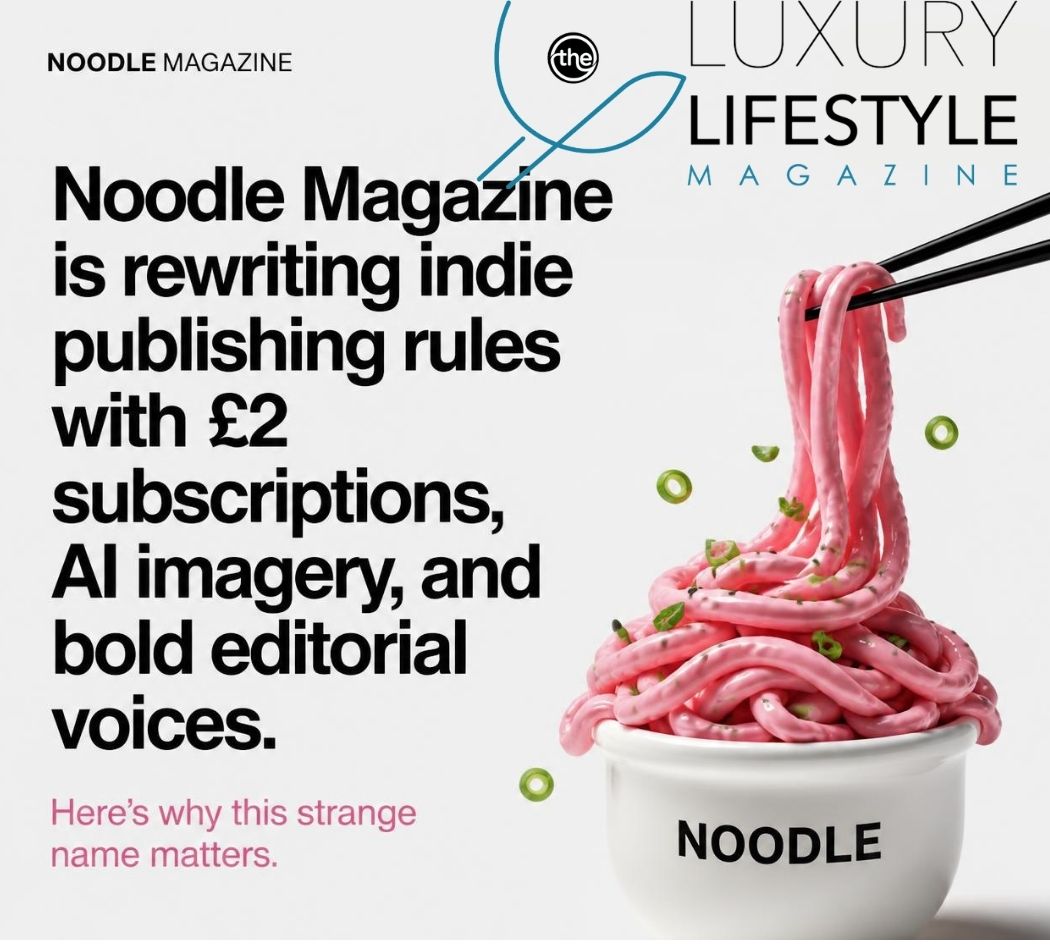
Your name doesn’t have to make sense—it has to be memorable. “Noodle” shouldn’t work for a fashion magazine. It works anyway because it’s distinctive, warm, and slightly absurd. Don’t overthink naming. Think about feeling.
AI imagery is a tool, not a strategy. Noodle Magazine’s AI usage works because the editorial content is strong enough to carry it. If your writing isn’t compelling, no amount of cheap imagery will save you.
Radical affordability can be a competitive advantage. The magazine industry has spent decades convincing itself that quality requires high prices. Noodle Magazine is testing whether that’s actually true. Early indications suggest it might not be.
Declare your choices openly. Noodle Magazine tells readers exactly what they’re getting—AI imagery, fictional models, opinionated editorials. That transparency builds trust, even when readers disagree with the choices.
Common Mistakes and Challenges
Mistake 1: Confusing the Brands
The biggest challenge for newcomers is simply figuring out which “Noodle Magazine” they’re dealing with. The UK publication, US marketplace, Korean food quarterly, and various other ventures share a name but little else. Solution: Always check the domain. noodle-magazine.co.uk is the UK original content operation. noodlemagaziney.com is the US curation platform. noodleplanet.co.kr is the Korean food publication.
Mistake 2: Assuming AI Imagery Means Low Quality
There’s a reflexive assumption that AI-generated content is inherently inferior. Noodle Magazine’s UK issues challenge this—the editorial standards are high, the opinions are sharp, and the curation is thoughtful. Solution: Evaluate the content on its merits, not its production method.
Mistake 3: Expecting Traditional Magazine Structure
Noodle Magazine doesn’t follow the standard front-of-book/features/back-of-book format. Issues wander deliberately, mixing hard reporting with fiction, reviews with personal essays. Solution: Read it like a curated playlist, not a newspaper. The eclecticism is the point.
Challenge: The Naming Problem
Building a brand around a common word creates SEO chaos. Noodle Magazine competes with food blogs, recipe sites, and other publications for search visibility. Solution: The company has brought on SEO expertise specifically to address this, but readers should use direct domains rather than searching.
 Pros, Cons, and Balanced Analysis
Pros:
-
Radical affordability makes quality content accessible to broader audiences
-
Editorial independence allows for strong opinions and unconventional formats
-
AI imagery enables visual production at a fraction of traditional costs
-
Curated eclecticism serves readers with diverse interests
-
Transparent about methods builds trust through honesty
Cons:
-
AI imagery displaces creative professionals and raises ethical questions
-
Name confusion creates brand recognition challenges
-
Editorial range may feel unfocused to readers seeking consistency
-
Limited physical presence (UK operation is digital-first with print-on-demand)
-
Fragmented brand identity across UK/US/Korea operations
The Verdict: Noodle Magazine is neither a utopian experiment nor a cynical cash grab. It’s a genuine attempt to reinvent magazine publishing for an era of rising costs, changing reader habits, and technological disruption. Some of its bets will fail. But its willingness to experiment openly—and to declare its methods—makes it worth watching regardless of outcome.
Future Trends and Predictions
The AI Imagery Debate Will Intensify
As AI generation becomes more sophisticated, the line between “AI-assisted” and “AI-created” will blur further. Noodle Magazine’s transparent approach may become the industry standard—or it may become a liability as audiences develop stronger preferences for human-made content. The publication’s willingness to declare its methods gives it flexibility either way.
Subscription Models Will Continue to Fragment
The £2/month model works because Noodle Magazine operates lean. But as the company expands, pressure to raise prices will grow. The question is whether readers will accept higher costs or whether the brand’s affordability promise is non-negotiable.
The Name Will Become an Asset
Right now, “Noodle Magazine” creates confusion. In five years, it might create recognition. The publication’s eclectic content and distinctive visual identity are slowly building a brand that transcends the name’s apparent limitations.
Print Will Persist as a Premium Tier
Digital-first is the growth strategy, but physical magazines remain desirable as collectibles. Noodle Magazine’s print-on-demand model allows it to serve collectors without inventory risk—a model other independents are likely to copy.
Key Takeaways
-
Noodle Magazine is a family of publications, not a single brand. The UK operation creates original content; the US operation curates and distributes; Korean Noodle Planet focuses on food culture.
-
The name is strategic, not accidental. “Noodle” signals versatility, approachability, and anti-elitism in a market that often feels exclusionary.
-
AI imagery is a calculated trade-off. It enables visual production at low cost but raises legitimate questions about creative labor and aesthetic authenticity.
-
Radical affordability is the core value proposition. At £2-7.50 per issue, Noodle Magazine competes on accessibility rather than exclusivity.
-
Editorial quality is the differentiator. The AI imagery, the confusing name, the eclectic structure—none of it would work if the writing weren’t compelling.
-
Transparency builds trust. By declaring its AI usage openly, Noodle Magazine gives readers the information they need to make their own judgments.
 Frequently Asked Questions
Is Noodle Magazine about food?
No—at least not the UK and US versions. The name refers to versatility, not cuisine. The Korean Noodle Planet is about food, but it’s a separate publication.
Are all Noodle Magazine images AI-generated?
The UK publication’s editorial content uses AI-generated imagery exclusively, declared on the cover and every page. The US operation curates existing magazines, so images vary by title.
How much does a subscription cost?
UK subscriptions start at £2 per month. Single issues range from £2 to £8.50 depending on the publication. US pricing varies by title.
Can I write for Noodle Magazine?
Yes. The publication actively solicits contributions from both experts and everyday people with stories to share. Contact info.noodlemagazine@gmail.com with “Write for Us Submission” in the subject line.
Is Noodle Magazine available in print?
The UK operation offers print-on-demand and digital options. The US operation ships physical magazines to over 50 countries.
What makes Noodle Magazine different from other independents?
Three things: radical affordability, full transparency about AI usage, and an editorial voice that refuses to stay in one lane.
Sources
-
NoodleMagazine UK – About Us, Write For Us, FAQs, After Dark Issue 01
-
NoodleMagazine US – About Us, Our Team, Location
-
Noodle Planet (Korean) – Quarterly issues, subscription information
-
Independent review of Noodle Magazine UK September 2026 issue
-
Tracxn company profile for Noodlemagazine