
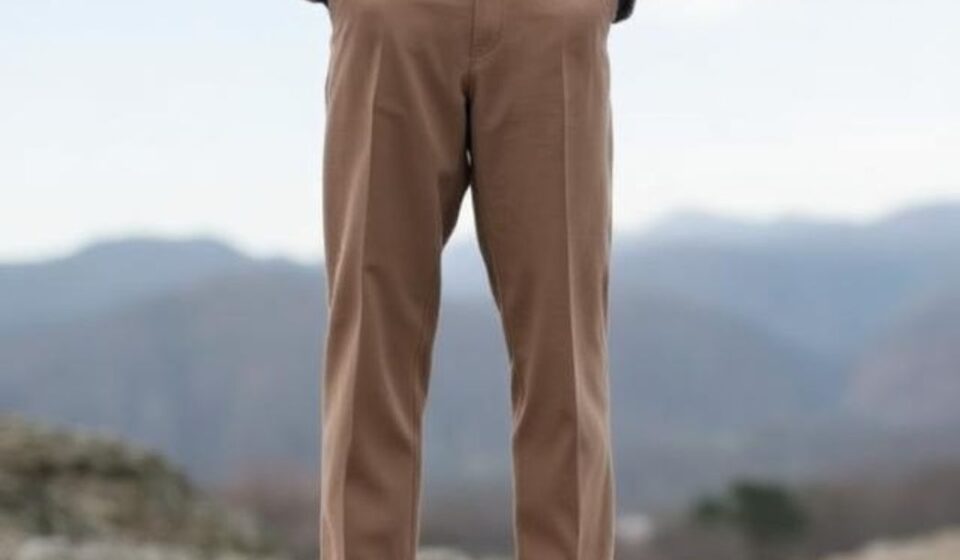
Picture this: You’re stepping out on a crisp autumn morning. The air has that sharp bite that demands more than a pair of lightweight chinos, yet you have a dinner reservation tonight and don’t want to look like you’ve just come from a construction site. You want something that feels substantial—tough enough for a country walk, yet polished enough for a city evening.
Enter moleskin pants.
For the uninitiated, the name might conjure images of… well, small furry creatures. But here’s the surprise: no animals were harmed in the making of this fabric. Moleskin is 100% cotton—a densely woven textile with a soft, suede-like nap that feels luxurious to the touch yet wears like iron.
Despite having been a staple of British country wear and Australian outback gear for over a century, moleskin pants remain one of the best-kept secrets in men’s and women’s wardrobes. But in 2026, they’re having a moment. From heritage brands to contemporary designers, everyone is rediscovering this versatile fabric.
But why? And are they right for you?
Let’s dig in.
Table of Contents
ToggleWhat Exactly Are Moleskin Pants?
The Fabric: Cotton, Not Critter
First things first: moleskin is a heavy cotton fabric. It’s woven and then shorn to create a short, soft pile on one side. This napping process—where the fabric is brushed with wire bristles—pulls tiny cotton fibres away from the weave, creating that signature velvety, suede-like surface. The result feels like chamois or felt, much less plush than velour but undeniably soft.
Why the Name?
The fabric’s name comes from its resemblance to a mole’s fur—specifically, the velvety, directionless nap of the animal’s pelt, which allows a mole to move forward and backward in its tunnels without friction.
How Moleskin is Made
Moleskin is woven of carded cotton yarn in a dense weft-faced satin weave. The tightness of this weave is what gives moleskin its superpowers: durability, wind resistance, and a remarkable ability to retain warmth while remaining breathable.
A Brief History: From Factories to Fashion
Understanding moleskin’s heritage gives you a new appreciation for every pair you put on.
The Working-Class Hero
Moleskin’s story starts in the 1800s, where it was favoured by British workers, farmers, and steelworkers. The dense cotton protected against sparks, brambles, and the harsh British weather. It was the tough, utilitarian choice for those who needed clothing that could withstand punishment.
The Countryside Crossover
Eventually, the British gentry noticed what the workers already knew: this stuff is brilliant. As landowners took up hunting and shooting, they adopted moleskin for its weatherproof and briar-proof qualities. It soon became part of the country wardrobe, sitting comfortably alongside tweed and boiled wool.
The Global Spread
Today, moleskin remains a favourite among farmers and stockmen in Australia. In the United States, Orvis introduced moleskin pants in 1976, and they have been a cool-weather staple ever since.
The Modern Resurgence (2026)
In 2026, moleskin is experiencing a renaissance. It’s no longer just country wear. The rise of “workwear chic,” the desire for durable, sustainable fashion, and the increasing sophistication of casualwear have all pushed moleskin back into the spotlight. Designers like Maison Margiela have even experimented with “unbrushed” moleskin for a more contemporary texture.
The Advantages: Why You Need Moleskin Pants
When comparing moleskin pants to jeans or chinos, they hit a sweet spot that few other fabrics achieve.
1. Durability That Defies Logic
Moleskin is famously tough. The dense weave makes it highly resistant to tearing, abrasion, and pilling. Whether you’re hiking through thick brush or simply commuting on public transport, these pants hold up. As one heritage brand notes, they are “leather-tough.”
2. Unbeatable Warmth Without the Bulk
Because of the tight weave and the brushed nap, moleskin traps air effectively, providing impressive insulation. However, because it’s cotton, it remains breathable, so you’re less likely to overheat than you might in synthetic materials. It’s comfortable across a wider temperature range than most denim.
3. The Windproof Factor
Unlike lighter chinos, the dense structure of moleskin makes it naturally wind-resistant. On a blustery day, you’ll feel the difference.
4. Soft, Refined Comfort
Despite its toughness, moleskin is incredibly soft against the skin—like a pair of jeans that have been broken in for years, right out of the box.
5. The “Smart-Casual” Sweet Spot
This is perhaps moleskin’s greatest asset in 2026. They are dressier than jeans, yet sturdier than khakis. They have a subtle sheen and elegant drape that allows them to transition effortlessly from the office to a dinner party without looking out of place.
The Landscape in 2026: Innovation and Fit
The world of moleskin pants has evolved. Here’s what the contemporary market offers:
1. The Rise of Blends
While 100% cotton moleskin remains the gold standard for purists, brands are increasingly blending the fabric with spandex or elastane (typically 1-3%) to provide stretch and comfort without compromising the look and feel of the fabric. This is a game-changer for those who value mobility.
2. Innovation: Kapok Blend
In a move toward sustainability, Muji has introduced moleskin blended with kapok fibre. Kapok is an environmentally friendly plant that requires no pesticides and little water to grow. The hollow fibre is light and airy, making the resultant moleskin softer and lighter than conventional 100% cotton.
3. The Modern Fit Spectrum
-
Classic Fit: The traditional British cut—not too slim, not too baggy, often pleated, designed to pair with a jacket or jumper.
-
Workwear/Straight Leg: Popularised by brands like Uniqlo and Snow Peak. These often feature utility details like gussets, 3D knees, and a wider silhouette for freedom of movement.
-
Contemporary Tailoring: Slimmer cuts (like those from Theory) are designed for urban wear, offering a more polished silhouette while retaining the fabric’s depth. Some designers, like Maison Margiela, are even experimenting with “unbrushed” moleskin for a sleeker, more minimalist finish.
Styling Guide: How to Wear Moleskin Pants
Think of moleskin as a more interesting alternative to jeans or corduroy.
Casual Weekend
-
Top: A chunky knit sweater or a simple flannel shirt.
-
Footwear: Work boots, desert boots, or clean sneakers.
-
Vibe: Relaxed, tactile, and ready for anything.
Smart-Casual / Business Casual
-
Top: A smart crewneck or V-neck jumper over a crisp shirt or a fine-gauge knit.
-
Footwear: Loafers, brogues, or Chelsea boots.
-
Vibe: Refined but not stuffy—perfect for “casual Fridays” or drinks with friends.
The Countryside Look
-
Top: A tweed jacket, a Barbour-style wax jacket, or a heavy wool coat.
-
Footwear: Sturdy leather boots.
-
Vibe: Timeless, authentic, and deeply masculine (or feminine, depending on the cut).
How to Care for Moleskin Pants
This is where many get it wrong. Moleskin requires a bit of TLC to maintain its unique nap.
The Contradictory Advice
You will find conflicting advice on washing. The key is to check the label.
-
Some brands (like Cordings) are dry clean only to preserve the fabric’s integrity.
-
Other brands (like RW&CO.) do allow machine washing on a cold, delicate cycle, inside out.
Best Practices for Washing (If Allowed)
-
Turn Inside Out: This protects the soft nap from friction with other items.
-
Cold Water & Delicate Cycle: Hot water will shrink and fade the cotton.
-
Wash Similar Colours Together: Dyes can bleed.
Drying
-
Never Tumble Dry unless explicitly stated. The heat and friction will ruin the soft pile.
-
Hang to Dry: Reshape the garment while damp, smoothing the seams and waistband.
-
Avoid Direct Sunlight or Radiators: Direct heat can fade the fabric.
Ironing & Refreshing
-
Iron Inside Out: This prevents you from flattening the nap. Use a cool iron.
-
Steam Instead of Pressing: A steamer is ideal for removing wrinkles without crushing the pile.
-
Brush After Ironing: Use a soft clothes brush to revive the nap after ironing or steaming.
General Upkeep
Moleskin ages beautifully, developing a characterful patina. Brush regularly with a soft brush to remove lint and dust, and avoid over-washing. For minor stains, a damp cloth and gentle blotting often suffice.
Common Mistakes to Avoid
-
Assuming all moleskin is washable: Not true. Many premium brands insist on dry cleaning. Ignoring this can result in shrinkage or a flattened, shiny surface.
-
Over-washing: As a dense cotton, it doesn’t need to be washed after every wear. Over-washing fades the colour and wears down the nap.
-
Ironing on high heat: This can melt the cotton fibres of the nap, creating an ugly, permanent shine.
-
Wearing them in heavy rain: While moleskin is windproof and resists light moisture, it is not waterproof. Heavy rain will soak through, and the dye may bleed.
Pros, Cons, and Balanced Analysis
| Pros | Cons |
|---|---|
| Exceptional Durability: Outlasts most other cotton trousers. | Specialised Care: Often requires dry cleaning or gentle washing. |
| Superior Warmth: Windproof and insulating. | Not Waterproof: Absorbs water in heavy rain (unless treated). |
| Luxurious Feel: Soft, suede-like texture. | Can Be Heavy: May feel weighty compared to lightweight chinos. |
| Versatile: Bridges the gap between casual jeans and formal trousers. | Potential Fading: Cotton dyes will fade over time, creating a patina (which some see as a plus). |
| Ages Well: Develops a unique character with wear. | Heat Sensitivity: The pile is susceptible to heat damage from ironing or tumble drying. |
Future Trends and Predictions (2026 and Beyond)
-
Sustainability and Innovation: Expect to see more blends like the Muji Kapok blend. Brands will look for ways to make the fabric lighter and more environmentally friendly while maintaining its durability.
-
The Stretch Revolution: The addition of spandex/elastane will become the norm for many contemporary brands, catering to a population that demands comfort and mobility.
-
Year-Round Wear: As fits get lighter and more breathable, moleskin will shed its exclusive “winter fabric” label. Brands are designing trousers suitable for warmer months.
-
The “Elevated Casual” Trend: As workwear evolves, moleskin will continue to be the fabric of choice for the guy or girl who wants to look put together without trying too hard.
Key Takeaways
-
Moleskin is 100% cotton (or cotton blend), not animal fur. It’s named for its velvety, suede-like texture.
-
It’s incredibly durable and warm, yet breathable, making it a great choice for autumn and winter.
-
It’s one of the most versatile fabrics—dressier than jeans, but sturdier than khakis.
-
Care is critical. Always check the label. When in doubt, dry clean. If washing, go cold, delicate, inside out, and never tumble dry.
-
The modern market offers everything from traditional heavy-duty work pants to stretchy, lightweight tailored trousers.
-
2026 is the perfect time to invest, especially with sustainable innovations like kapok blends entering the market.
FAQs
1. Are moleskin pants made from real moles?
No. Despite the name, moleskin is a heavy cotton fabric. It gets its name from its soft, velvety texture, which resembles a mole’s fur.
2. Are moleskin pants warm?
Yes, they are exceptionally warm. The dense, tight weave provides excellent insulation and wind resistance, trapping body heat effectively. They are often warmer than standard denim.
3. Can you machine wash moleskin pants?
It depends on the brand. Some brands (like Cordings) are dry clean only. Others (like RW&CO.) can be machine washed inside out on a cold, delicate cycle. Always check the care label.
4. Are moleskin pants good for summer?
Traditional heavy moleskin is best for cooler weather. However, newer, lighter versions (like the Kapok blend from Muji) are designed for warmer temperatures. The breathability of cotton helps, but they are primarily an autumn/winter fabric.
5. What are moleskin pants good for?
They are perfect for a wide range of activities. They are tough enough for outdoor work, country walks, and hunting, yet stylish enough for smart-casual office wear, travel, and dinner.
6. Are moleskin pants durable?
Incredibly durable. They are highly resistant to tearing, abrasion, and pilling. This is why they have historically been used by workers in factories, steel mills, and farms.
7. How should I style moleskin pants?
You can dress them up with a blazer and loafers or dress them down with a knit sweater and boots. They are one of the most versatile trousers in a wardrobe.
8. Is moleskin similar to corduroy?
Both are durable cotton fabrics, but they are different. Corduroy has distinct “ribs” or ridges, while moleskin has a smooth, flat, suede-like nap. It’s like comparing velvet to corduroy.
9. Do moleskin pants stretch?
Traditional 100% cotton moleskin does not stretch significantly. However, many modern moleskin pants include a small percentage of spandex or elastane (1-3%) for comfort and stretch.
10. Do moleskin pants fade?
Yes, like most cotton garments, they will fade with wear and washing, developing a characterful “patina” over time.
Sources:
-
Cordings UK
-
R.M. Williams
-
Orvis News
-
MUJI
-
Wikipedia (Moleskin)
-
RW&CO.
-
Snow Peak
-
Theory
-
Dantendorfer/Incotex

admin
M Umer Abbasi is a luxury lifestyle journalist and editorial curator specializing in haute horology, passion investments, and avant-garde design. With an eye for flawless craftsmanship and heritage storytelling, he deconstructs the world of high-ticket assets—from secondary watch market trends to the evolution of bespoke tailoring. His work focuses on shifting the luxury narrative away from fleeting trends and toward timeless design, raw materials, and true artisanship. When he isn’t dissecting mechanical complications or reviewing five-star sanctuaries, he tracks blue-chip alternative asset indices. Connect with him via cbdfame@gmail.com