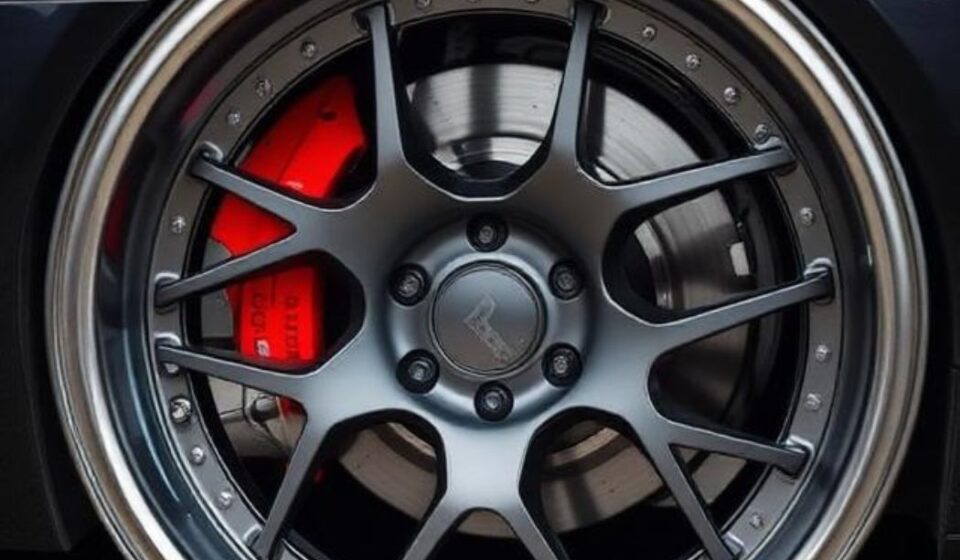
You’ve seen them at car shows, on Instagram feeds, and rolling past you on the highway with that unmistakable presence. Rotiform wheels have a gravitational pull—they make a car look like it means business.
But here’s the real question: Are they actually worth the investment? Or are you just paying for a name and a cool center cap?
Let’s cut through the hype. Whether you’re a seasoned enthusiast building your dream garage or someone dipping their toes into the aftermarket wheel world, this guide will give you everything you need to know about Rotiform. We’ll cover what makes them special, which models fit your driving style, and how to avoid the mistakes that leave first-time buyers frustrated.
Table of Contents
ToggleThe Rotiform Story: More Than Just a Pretty Face
Since bursting onto the scene in 2009, Rotiform has become one of the most sought-after wheel brands in the automotive world. While the company keeps a relatively low profile about its inner workings, their reputation speaks for itself.
Based in Southern California, Rotiform has carved out a unique niche. They blend retro European styling cues with cutting-edge manufacturing techniques. The result? Wheels that look timeless but perform like modern engineering marvels.
What Sets Them Apart?
Here’s where Rotiform differs from the competition: their multi-piece forged wheels are assembled, machined, and milled entirely in the United States. Every wheel stays under one California roof from start to finish.
This isn’t just marketing fluff. It means tighter quality control, better communication, and a level of craftsmanship that mass-produced wheels simply can’t match.
Understanding Rotiform’s Wheel Lineup
Rotiform offers three main categories of wheels, and understanding the differences is crucial for making the right choice.
Cast Wheels: The Entry Point
Cast wheels are made by pouring molten aluminum into a mold. They’re more affordable and offer a wide variety of styles. Rotiform’s cast lineup includes classics like the BLQ, along with newer designs like the TUF-R, SGN, and DTM.
Best for: Daily drivers and enthusiasts who want the Rotiform look without the forged price tag.
Flow Formed Wheels: The Sweet Spot
Flow forming is a relatively newer technique that starts with a cast wheel but then stretches the barrel using heat and pressure. This process aligns the aluminum molecules, resulting in a wheel that’s significantly lighter and stronger than a standard cast wheel.
The Rotiform RPS is a prime example. It’s a sharp six-spoke design that looks aggressive without being try-hard, and the flow form construction delivers real performance benefits.
Best for: Enthusiasts who actually drive their cars hard but still want to look good doing it.
Forged Wheels: The Premium Choice
Rotiform’s custom forged wheels are the top tier. Constructed from 6061-T6 aerospace-grade aluminum, these are lightweight, incredibly strong, and absolutely stunning. They offer 13 different configuration options, allowing you to specify the profile, lip type, and hardware style.
Best for: Show cars, serious performance builds, and anyone who wants a truly custom wheel.
The Customization Advantage
If you can dream it, Rotiform can probably make it happen. This is where the brand truly shines.
Finish Options
Rotiform offers an almost dizzying array of finish options. Standard finishes include gloss black, matte silver, matte anthracite, gold, and bronze.
But the specialty finishes are where things get interesting:
-
Brushed with various tints (single dark tint, rose gold, Monaco copper)
-
Candy Colors (copper, red, blue, pink) applied over polished or brushed surfaces
-
Clear Coatings in gloss, satin, or matte
Here’s the best part: You can mix and match finishes across the center, outer lip, and center cap to create a completely unique look.
Build Configurations
Rotiform offers 13 distinct wheel configurations. These include options like:
-
Concave vs. Convex profiles
-
Step lip vs. Reverse lip
-
Exposed vs. Hidden hardware
-
Sandwich mount vs. Rear-load mounting styles
Performance Realities: What to Expect
Let’s be honest—most people buy Rotiforms for the looks. But the brand has been making serious strides in performance.
Weight Matters
The RPS is a great example of this evolution. At around 23 lbs per wheel, it’s competitive with dedicated performance wheels from Enkei and other well-known brands.
Why does weight matter? Less unsprung weight translates to:
-
Quicker acceleration
-
Sharper braking
-
Faster steering response
The Load Rating Catch
This is a detail many buyers overlook. The RPS has a load rating of around 1,350–1,400 lbs per wheel. That’s perfectly fine for sport compacts, hot hatches, and Euro sedans.
However, if you’re running a heavy SUV, truck, or performance barge, you’ll need to check the numbers carefully. Models like the JDR offer higher load ratings up to 2,500 lbs.
Real-World Performance
One Singaporean Forester owner reported that their Rotiform BLQs improved overall grip on the tarmac, though they noted the wheels were slightly heavy and affected pickup slightly.
Another owner of the Rotiform RC202 GRZ praised them as “great lightweight shoes for my car,” reporting quicker acceleration and better handling.
The takeaway? Rotiforms won’t hurt your performance, but if lap times are your only concern, you might want to look at dedicated track wheels.
How to Choose the Right Rotiform Wheels
Selecting the right set requires more than just picking a design you like.
Step 1: Consider Your Platform
Daily Driver: Cast or flow-formed wheels offer the best value. They look great and won’t break the bank if you encounter potholes.
Weekend Warrior: Flow-formed or forged wheels are ideal. You get the performance benefits without the premium price of full custom.
Show Car: Forged all the way. The customization options are unmatched, and the quality is truly special.
Track Car: Look at flow-formed or lightweight forged models. Pay attention to weight and load ratings.
Step 2: Check Fitment Details
Rotiform wheels are available in a wide range of sizes, bolt patterns, and offsets. However, vehicle-specific fitment can change the offset, dish, and center profile. Always consult with an authorized dealer to ensure proper fitment.
Step 3: Budget for Extras
Remember that the wheel is just the beginning. You’ll need:
-
Proper tires
-
Lug nuts or bolts
-
Centering rings (if needed)
-
TPMS sensors (if your car requires them)
Maintenance: Keeping Them Pristine
Rotiform wheels are an investment, and proper maintenance is essential to preserve their appearance and longevity.
The Right Cleaning Routine
-
Frequency: Clean your wheels every 1-2 weeks, especially if you drive in areas with heavy brake dust or road grime.
-
Procedure:
-
Rinse with water to remove loose dirt
-
Apply a pH-balanced wheel cleaner (avoid acidic or abrasive products)
-
Scrub gently with a soft brush or microfiber cloth
-
Rinse thoroughly
-
Dry completely with a clean microfiber cloth to prevent water spots
-
Protecting Your Finish
After cleaning, apply a high-quality wheel wax or sealant. This adds a protective layer against brake dust and contaminants, and makes future cleaning much easier.
Seasonal Considerations
If you live in an area with harsh winters, consider using a dedicated set of winter wheels and tires. Road salt and debris can damage even the best finishes over time.
Common Mistakes to Avoid
1. Ignoring Load Ratings
I’ve seen this happen too many times. Someone falls in love with a design, ignores the load rating, and ends up with bent wheels after hitting a pothole.
The fix: Check the load rating against your vehicle’s weight. Rotiform lists this clearly on their website.
2. Using the Wrong Cleaning Products
Abrasive cleaners and harsh chemicals can damage finishes. This is especially true for specialty finishes like brushed and candy colors.
The fix: Use only pH-balanced, non-acidic wheel cleaners. When in doubt, ask your dealer.
3. Forgetting About Brake Clearance
Some Rotiform designs feature a deep bowl-cut center that allows solid brake clearance. However, not all models will clear big brake kits.
The fix: If you have BBKs, check the specs carefully or confirm with your dealer before purchasing.
4. Neglecting the Center Caps
The center caps are often overlooked. Keeping them in good condition is important for maintaining the wheel’s overall appearance. When cleaning the wheels, take care around the center caps to avoid damage.
Are Rotiform Wheels Worth the Premium?
Let’s weigh the pros and cons.
Pros
-
Unique designs: No other brand offers quite the same blend of retro and modern styling
-
Customization: Unmatched finish and configuration options
-
Quality: USA manufacturing for forged wheels
-
Brand recognition: Rotiform carries weight in the car scene
-
Range of options: Cast, flow-formed, and forged options for different budgets
Cons
-
Price: Premium wheels with a premium price tag
-
Weight: Some cast models are heavier than competitors
-
Lead times: Custom forged wheels can take time to produce
-
Availability: Not every model is available at every dealer
The Verdict
For most enthusiasts, Rotiforms are absolutely worth it—provided you choose the right model for your needs. The brand has successfully evolved from “just show wheels” to legitimate performance options.
The RPS, in particular, represents a sweet spot. It offers performance wheel credibility while still looking stunning at car shows.
Future Trends: What’s Next for Rotiform?
The brand continues to innovate, releasing new designs almost every year. The RPS represents a clear shift toward more performance-oriented offerings.
We can expect to see:
-
More flow-formed models that bridge the gap between cast and forged
-
Continued expansion of the forged lineup with new configurations
-
Innovative finishes that push the boundaries of what’s possible
-
Motorsport-inspired designs that draw from Rotiform’s racing involvement
Key Takeaways
-
Know your needs: Daily driver, track car, or show car—each requires a different approach
-
Check the load rating: Don’t assume every Rotiform can handle heavy vehicles
-
Maintenance matters: Regular cleaning with the right products is essential
-
Customization is king: Take advantage of Rotiform’s finish and configuration options
-
Budget accordingly: Premium wheels cost premium money, but the quality is there
Conclusion
Rotiform wheels represent more than just a way to upgrade your car’s appearance. They’re a statement of intent—a way to say you care about the details and aren’t afraid to invest in quality.
Whether you’re going for the classic BLQ, the performance-oriented RPS, or a fully custom forged build, Rotiform offers something that stands out from the crowd. The brand has earned its reputation through consistent quality, innovative designs, and a commitment to craftsmanship.
If you’re shopping for Rotiform wheels in 2026, take your time, do your research, and don’t rush the decision. The right set will transform your car’s look and feel for years to come.
Frequently Asked Questions
What makes Rotiform wheels different from other brands?
Rotiform stands out for its unique blend of retro European styling and modern construction techniques. Their forged wheels are also manufactured entirely in the USA, and they offer an unmatched range of finish options and configurations.
Are Rotiform wheels good for daily driving?
Yes, especially the cast and flow-formed models. They’re durable and designed to handle everyday use. Just make sure you choose a model with an appropriate load rating for your vehicle.
How much do Rotiform wheels cost?
Prices vary widely. Cast wheels can start around $1,700 per set, while custom forged wheels cost significantly more. The RPS, for example, starts at approximately $1,700 for a set of four.
How do I clean Rotiform wheels properly?
Use a pH-balanced wheel cleaner, scrub gently with a soft brush or microfiber cloth, rinse thoroughly, and dry completely. Apply a wheel wax or sealant after cleaning for added protection.
Where are Rotiform wheels made?
Rotiform’s forged wheels are assembled, machined, and milled in Southern California. Their cast wheels may be produced elsewhere, but the company’s headquarters and main manufacturing operations are based in the US.
What is the load rating of Rotiform wheels?
The load rating varies by model. The RPS is around 1,350–1,400 lbs per wheel, while the JDR offers up to 2,500 lbs. Always check the specific model’s rating against your vehicle’s weight.
Can I customize the finish on Rotiform wheels?
Absolutely. Rotiform offers numerous standard and specialty finishes, and you can mix and match finishes across different parts of the wheel.
Do Rotiform wheels come with a warranty?
Rotiform offers a limited warranty on their wheels, but the specifics vary by model and purchase location. Check with your authorized dealer for details.
Sources:
-
Rotiform Official Website
-
UroTuning
-
MartiniWorks
-
PMCtire

admin
M Umer Abbasi is a luxury lifestyle journalist and editorial curator specializing in haute horology, passion investments, and avant-garde design. With an eye for flawless craftsmanship and heritage storytelling, he deconstructs the world of high-ticket assets—from secondary watch market trends to the evolution of bespoke tailoring. His work focuses on shifting the luxury narrative away from fleeting trends and toward timeless design, raw materials, and true artisanship. When he isn’t dissecting mechanical complications or reviewing five-star sanctuaries, he tracks blue-chip alternative asset indices. Connect with him via cbdfame@gmail.com