
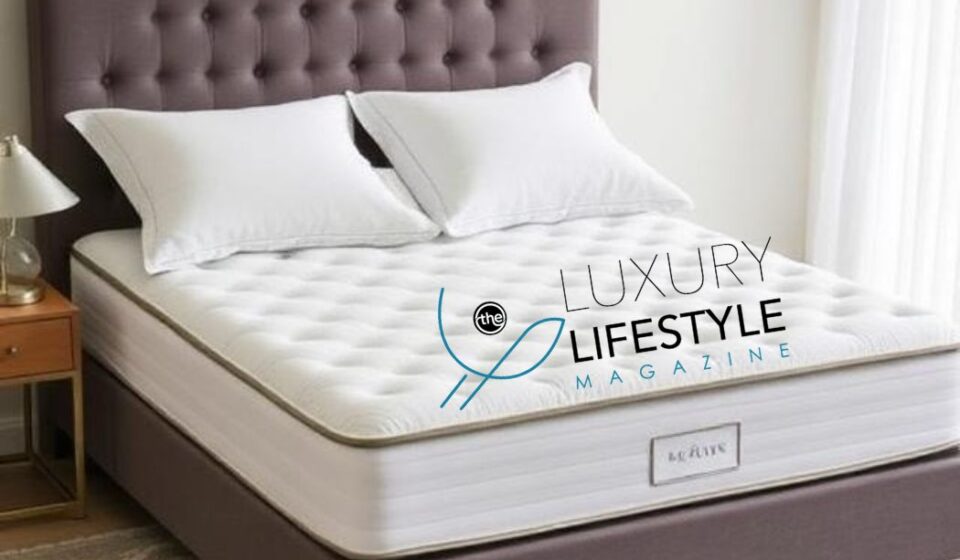
Luxury Mattresses: Remember the last time you slept in a five-star hotel? That moment when you sank into bed and felt your entire body exhale. It wasn’t just the room service or the blackout curtains—it was the mattress. For years, I assumed that level of comfort was reserved for vacations. But what if you could have it every night?
The global luxury mattress market was valued at a staggering **$8.2 billion in 2025**, and it’s projected to grow to $14.2 billion by 2035. This isn’t just about buying a place to sleep; it’s about investing in a sleep sanctuary. But with prices ranging from $2,500 to over $20,000, how do you know what’s worth the splurge—and what’s just expensive marketing fluff?
Table of Contents
ToggleThe Anatomy of a Luxury Mattress
The Science of Sleep Support
At its core, a luxury mattress is about engineering better sleep. This starts with support. The goal is proper spinal alignment, which helps prevent back pain and lets your muscles fully relax. According to experts, “Research shows that support truly matters, and the right mattress will deliver the support a body needs to maintain proper alignment and comfort throughout the night”.
Premium brands achieve this through advanced coil systems. Take Stearns & Foster’s flagship Reserve collection, which features an upgraded IntelliCoil HD design that “increases coil count by 20% and uses a honeycomb arrangement for more targeted support”. More coils mean more points of support, so your spine stays straight regardless of your sleep position.
Materials Matter: The Fabric of Dreams
When you move beyond the $2,500 price point, you’re paying for materials you can’t find in a standard mattress. We’re talking about genuinely rare components:
Noble Fibers:
-
Cashmere: One goat produces only 100-150 grams per year, making it incredibly rare and prized for its lightweight warmth.
-
Royal Alpaca: Known as the “Gold of the Incas,” this wool comes from the first shearing of the alpaca and represents just 1% of global alpaca production.
-
Horsehair: A signature material in brands like Hästens, horsehair acts as a natural ventilation system, wicking moisture away and keeping you cool.
The Shift to Sustainability:
Luxury consumers are increasingly demanding sustainable options. For instance, Paramount Sleep now features “cotton sourced from Virginia, making Paramount the first domestic mattress manufacturer to use locally grown, harvested and processed cotton”. Meanwhile, the new Coyuchi Marin REM Mattress “combines certified natural materials and expert craftsmanship with a responsive design,” including organic wool, cotton, and latex.
The Tech Revolution in Your Bedroom
Smart Mattresses: Sleep Data at Your Fingertips
Technology has become a significant differentiator in the luxury space. The Sleep Number smart bed lets couples adjust firmness on each side via an app, which also “tracks movements to create a full picture of how you sleep”. This integration of “biometric-enabled sleep tracking” is a major growth driver in the market.
Temperature Regulation: The Cooling Arms Race
If you’re a hot sleeper, you know the struggle. Leading brands are investing heavily in cooling technology. Stearns & Foster’s new TrioTemp cooling cover “combines Tencel fibers, cool-touch yarns and heat-diffusing materials designed to improve temperature regulation”.
Luxury Mattress Materials Guide
| Material | Key Benefits | Why It’s Luxury |
|---|---|---|
| Organic Latex | Bouncy, supportive, eco-friendly | Responsive feel that doesn’t trap heat; GOLS-certified |
| Horsehair | Temperature regulating, highly resilient | Natural ventilation; hand-harvested; used by heritage brands |
| Cashmere & Silk | Ultra-soft, temperature regulating | Extremely rare; requires significant animal resources |
| High-Density Foam | Exceptional pressure relief | Engineered for durability; won’t sag for years |
Practical Tips: How to Choose Your Luxury Mattress
According to Better Sleep Council research, 75% of luxury buyers start shopping because their current bed is failing them. Here’s how to make sure your next purchase is the right one:
-
Match Firmness to Sleep Position: Side sleepers generally need softer surfaces for shoulder/hip relief, while back and stomach sleepers need firmer support. Most luxury brands offer multiple firmness options.
-
Consider Your Partner: If you share a bed, prioritize motion isolation to prevent disturbances.
-
Try Before You Buy (Seriously): While 34% of luxury buyers purchase online, a full 66% still visit brick-and-mortar stores. “Physical retail continues to play a critical role in purchase conversion due to the importance of in-person product testing”.
-
Don’t Skip the Trial: Look for extended sleep trials—some offer up to 365 nights.
-
Don’t Forget Delivery: Over half of luxury purchasers choose white-glove delivery. Set-up, installation, and old mattress removal can make a huge difference.
Common Mistakes and Challenges
Even with a large budget, you can fall into traps. Here are the most common mistakes luxury shoppers make and how to solve them.
Mistake 1: Paying for Marketing, Not Materials
Some brands use the “luxury” label but swap high-quality natural materials for cheaper synthetics. Solution: “Focus on craftsmanship and materials that ensure durability and lasting comfort,” and look for transparency about sourcing.
Mistake 2: Ignoring the Foundation
A great mattress on a broken box spring is a bad bed. Solution: Many luxury buyers invest in adjustable bases (33%), which can improve spinal alignment and alleviate snoring.
Mistake 3: Overlooking the Trial Period
A mattress feels different after 30 days than it does in the showroom. Solution: Use the full trial period. It takes time for your body to adjust.
The Verdict: Are Luxury Mattresses Worth It?
The Pros:
-
Durability: They last significantly longer than budget beds.
-
Sleep Quality: Superior materials and construction lead to deeper, more restorative sleep.
-
Health Benefits: Better spinal alignment can reduce back pain.
-
The “Hotel” Experience: You can recreate that vacation feeling at home.
The Cons:
-
Cost: The upfront investment is significant.
-
Diminishing Returns: The jump from $3,000 to $10,000 may be psychological as much as it is physical.
-
Lack of Suitability: Even the most expensive bed isn’t right for everyone.
Future Trends (2026 and Beyond)
-
Personalization: The one-size-fits-all approach is disappearing. Brands are using “data-driven marketing and subscription-based sleep services” to offer highly customized experiences.
-
Sustainability: “Sustainability-driven strategies, including certified organic materials and transparent supply chains, are increasingly used to differentiate premium offerings”.
-
The Hotel Connection: Nearly 40% of luxury buyers discovered brands in a hotel or resort. Expect more partnerships between mattress brands and luxury hotels.
Key Takeaways
-
Prioritize Support: Look for advanced coil systems or high-density foams that promote spinal alignment.
-
Invest in Materials: Seek natural fibers like organic cotton, latex, and wool for breathability and durability.
-
Don’t Forget Tech: If you or your partner sleep hot, modern cooling technologies are a non-negotiable upgrade.
-
Use the Trial: The best luxury mattresses come with extended trials. Use them.
-
Consider the Full Sleep System: Budget for an adjustable base and high-quality sheets to maximize your investment.
Frequently Asked Questions (FAQs)
1. What is the average price of a luxury mattress?
The luxury segment typically starts around $2,500. However, prices can range from $2,500 to well over $20,000. Brands like Saatva and Stearns & Foster offer entry-level luxury around $2,000-$3,000, while European brands like Hästens can exceed $20,000.
2. Why are luxury mattresses so expensive?
You’re paying for premium raw materials (cashmere, horsehair, natural latex), advanced coil systems, handcraftsmanship, durability, and extensive research and development. Additionally, features like smart technology and temperature-regulating fabrics add to the cost.
3. How long do luxury mattresses last?
A high-quality luxury mattress should last between 10 to 15 years, and sometimes longer, depending on the care and materials. This significantly outlasts budget or mid-range mattresses, which may need replacement every 5-7 years.
4. Are luxury mattresses good for back pain?
Yes, if you choose the correct firmness level. Luxury mattresses are engineered for proper spinal alignment and pressure relief. Brands often use zoned support systems to target pressure points at the shoulders and hips, which can alleviate back pain.
5. Should I buy a luxury mattress online or in-store?
It depends on your preference. While in-store shopping remains popular for the “lie-down test,” many luxury brands offer generous home trials (up to 365 nights) with free returns, making online purchasing low-risk. However, statistics show 66% of luxury buyers still prefer in-store shopping to test the mattress first.
6. What is the best luxury mattress for hot sleepers?
Look for mattresses with cooling covers (like Stearns & Foster’s TrioTemp), natural materials like horsehair and wool (Hästens, Vispring), or breathable latex. Avoid traditional memory foam that is not infused with cooling gel.
7. What is the difference between a luxury and a premium mattress?
“Premium” typically refers to high-quality, durable beds with good materials, often priced in the $1,000-$2,500 range. “Luxury” implies the highest tier of craftsmanship, rare natural materials, and advanced technology, usually exceeding $2,500.
8. Are organic luxury mattresses worth it?
For health-conscious consumers and those with allergies, yes. They are free from harmful chemicals and fiberglass, using GOLS-certified latex and organic cotton. They offer peace of mind and superior breathability, though they often come at a higher price point.
Sources

admin
M Umer Abbasi is a luxury lifestyle journalist and editorial curator specializing in haute horology, passion investments, and avant-garde design. With an eye for flawless craftsmanship and heritage storytelling, he deconstructs the world of high-ticket assets—from secondary watch market trends to the evolution of bespoke tailoring. His work focuses on shifting the luxury narrative away from fleeting trends and toward timeless design, raw materials, and true artisanship. When he isn’t dissecting mechanical complications or reviewing five-star sanctuaries, he tracks blue-chip alternative asset indices. Connect with him via cbdfame@gmail.com