Luxury Fashion Trends 2026: The luxury fashion industry in 2026 feels less like a runway and more like a high-stakes chess match. For years, we were told to whisper our wealth through quiet luxury—but suddenly, the game has changed.
Picture this: You’re scrolling through your feed, and you see a shimmering, iridescent Chanel flap bag that looks like it’s woven from moonlight. A few posts later, someone’s rocking a zebra-print coat with chunky gold jewelry and a crystal-studded belt. Meanwhile, your friend is raving about her new Moncler Maya jacket that she wears everywhere—from coffee runs to business meetings. What’s going on?
Welcome to luxury fashion in 2026. This isn’t just about hemlines or color palettes anymore. It’s about a fundamental reset—a clash between the “old guard” of minimalism and a new wave of expressive, joyful, and technologically-infused dressing. As one industry expert aptly put it, “Luxury isn’t entering a downturn. It’s entering a normalization phase”. But this “normalization” looks anything but normal.
The global luxury fashion industry, which reached $1.5 trillion in 2025 and is projected to grow at a moderate 3-6% in 2026, is navigating a landscape shaped by AI, shifting consumer values, and a wave of new creative directors at the world’s most iconic houses. This article dives deep into the trends that are reshaping how we define luxury—analyzing the “what,” the “why,” and the “how” you can navigate this fascinating new world.
Table of Contents
ToggleThe End of Quiet Luxury as We Know It
For the past few years, “quiet luxury” reigned supreme. Think The Row, Phoebe Philo’s eponymous label, and Loro Piana—clothes so impeccably made they didn’t need a logo to speak their value. It was a reaction to the logomania of the 2010s, a recession-friendly way to show you had taste without shouting about your wealth.
But in 2026, the pendulum is swinging back—with a vengeance. While quiet luxury hasn’t disappeared, it has evolved into the “operating system” of modern luxury. It’s the baseline of quality and cut you expect. However, the real excitement is happening in its vibrant, rebellious offspring: Loud Luxury.
The New “Loud Luxury” and Glamour
Loud Luxury is a direct counter-movement. As consumers grow weary of the restrictive, almost uniform code of beige and black, they crave personality, color, and fun. This trend, sometimes called “Glumour,” is all about self-expression and throwing the rulebook out the window. Industry reports from UBS are even echoing this sentiment, signaling that the days of quiet luxury “alone on the throne” are over.
What does Loud Luxury look like in practice?
-
A Triumphant Return of Logos: After years of hiding them, logos are back and proud. The Gucci GG belt, scarves, and logo-emblazoned accessories are becoming statement pieces again.
-
Bold Color Blocking: Miu Miu and Prada have been pioneers, pairing unlikely shades like green and grey or lilac and red. British Vogue’s “Feel the joy” tagline perfectly captured this spirit.
-
The Joy of Prints: Zebra and leopard prints are making a major splash, with Jacquemus’s long zebra-print coat being a standout example.
This doesn’t mean we’re going back to the garish excess of the early 2000s. Instead, it’s a more sophisticated, confident maximalism. It’s about wearing what makes you feel good, not what the algorithm dictates.
The Fragmented Consumer: A Two-Speed Market
This shift is driven by a major change in who’s buying luxury and why. The days of a monolithic “luxury consumer” are over. Experts have identified three distinct profiles:
-
Traditionalists: The ultra-high-net-worth individuals who buy freely and live the full luxury lifestyle.
-
Selective Splurgers: Consumers who balance restraint with continued engagement, buying key investment pieces.
-
Aspirational Consumers: Those who participate more selectively, often turning to categories like beauty, accessories, or even the resale market.
While the top-tier consumers remain stable, aspirational buyers are becoming more intentional. This has created a “two-speed market” where some brands are soaring while others struggle. It’s no longer enough to just be expensive; you have to offer clear value—whether that’s craftsmanship, creativity, or cultural relevance.
The Tech Takeover: AI Becomes the New Black
Technology, particularly Artificial Intelligence, has moved from an experimental add-on to a core infrastructure component of luxury fashion. In 2026, if you’re not using AI, you’re falling behind.
AI: From Gimmick to Infrastructure
Luxury brands are no longer just using AI for chatbots. They’re leveraging it across entire operations. According to industry surveys, 41.2% of luxury companies are already implementing generative AI in selected areas, with 11.9% having embedded it in core operations.
-
Hyper-Personalization: AI is being used to analyze customer data to create deeply personalized shopping experiences, from tailored product recommendations to customized marketing messages. A staggering 90% of luxury fashion executives see AI-driven personalization as “essential for their brands”.
-
Inventory and Demand Forecasting: Brands like Kering are using multi-modal AI for market sentiment analysis, particularly in key markets like China. This helps predict trends and optimize stock to avoid overproduction and markdowns.
-
Creative Collaboration: At the most cutting-edge level, technology is becoming a medium itself. Iris van Herpen’s couture collection, which included a dress made partly with “immaterial plasma,” shows how tech is pushing the boundaries of what fashion can be.
Prada’s Power Play: Tech as Cultural Currency
Prada Group is a fascinating case study in this tech-luxury convergence. While its fashion is more creative than ever, its strategic moves reveal a deeper ambition. The sight of Meta CEO Mark Zuckerberg sitting next to Prada heir Lorenzo Bertelli at a show wasn’t just a celebrity sighting—it was a message.
Bertelli is steering Prada toward becoming a player that can compete with giants like LVMH, recognizing that in a world of homogenous handbags, tech is the new frontier for “cultural sovereignty.” Rumors of deeper collaborations with Essilor Luxottica and Meta suggest Prada is positioning itself to dominate the “face interface”—the smart glasses and wearables of the future.
Runway to Reality: Key 2026 Fashion Trends
So, what exactly will you be wearing in 2026? The runways have spoken, and the message is clear: texture, opulence, and individuality are in.
The Sartorial Shifts
-
The New Silhouette: XXL Shoulders and Dropped Waists: Prepare for a power shift. The 1980s are back in the form of architectural, XXL shoulders on jackets and coats. Saint Laurent, Balenciaga, and Mugler are championing this authoritative, sculptural look. In contrast, the dropped waist, championed by Matthieu Blazy at Chanel and Prabal Gurung, offers a softer, elongated silhouette inspired by the 1920s.
-
The Fabric of the Year: Opulent Textures: Forget flat surfaces. 2026 is about tactility and sensuality. Velvet is making a major comeback, often in deep jewel tones like sapphire blue, ruby red, and emerald green. We’re also seeing a dramatic resurgence of fur (both real and high-quality faux), from full-on Dalmatian-print coats (Cruella de Vil style) to cozy trims.
-
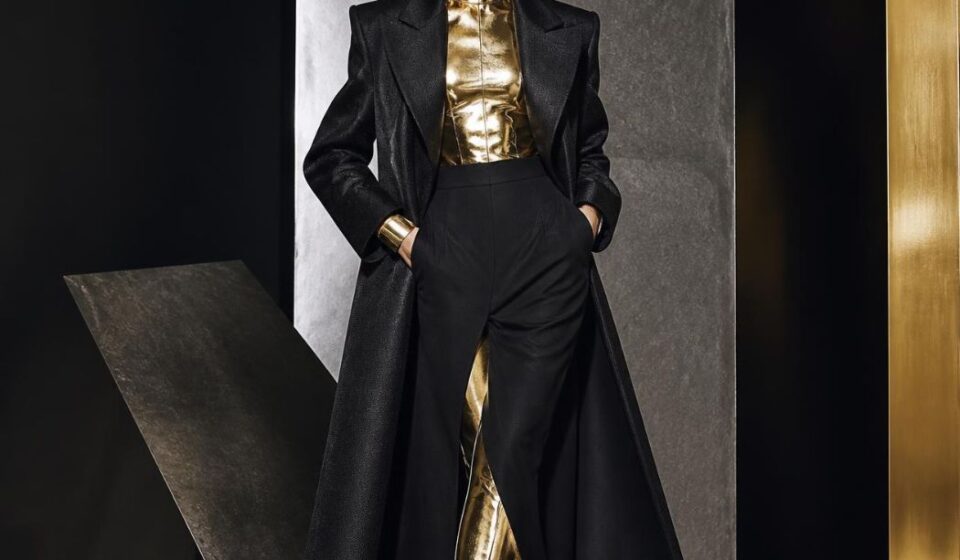
The Statement Piece: Iridescence and Gold: To add a touch of magic, look for iridescent fabrics and shimmering textures. Matthieu Blazy’s Chanel featured chainmail tweeds and sheer, light-as-air pieces, while Schiaparelli showed liquid metal column dresses. Chunky gold jewelry, embossed metallics, and liquid satins are also key to creating that “everyday opulence” vibe.
The “Joy” Factor
Perhaps the most telling trend of all is the palpable shift in emotional tone. After years of “challenging” times, the fashion industry is finally having fun again. The excitement surrounding new creative directors—like Matthieu Blazy’s highly anticipated debut at Chanel, Jonathan Anderson at Dior, and Louise Trotter at Bottega Veneta—has injected a sense of joy back into the industry.
This isn’t just about clothes; it’s a cultural reset. The next generation of designers is putting the “joy back in dressing,” moving away from the serious, restrained minimalism of the past few years toward a more optimistic and expressive future.
Actionable Style Guide: How to Master 2026’s Luxury Trends
Navigating this new landscape can be exciting but also overwhelming. Here’s a practical guide to integrating these trends into your personal style without looking like you’re wearing a costume.
Embrace the High-Low Mix
The most successful luxury looks in 2026 are those that “slot easily into real wardrobes”. This means mixing investment pieces with everyday staples.
-
The Everyday Hero: Start with a “wearable luxury” item. The Farfetch Index shows that items like the Moncler Maya jacket (over 1.1 million searches) or the Longchamp Le Pliage bag (over 2 million searches) are top performers because they balance prestige with utility. They’re comfortable, functional, and instantly elevate any outfit.
-
The Statement Accent: Instead of a head-to-toe Loud Luxury look, pick one or two “noisy” items. Pair a zesty Prada print skirt with a simple cashmere sweater, or wear your Gucci GG belt with tailored trousers rather than loud prints.
Accessorize with Confidence
Accessories are where you can have the most fun with 2026’s trends.
-
Belt It Out: The logo belt is back. Don’t be afraid to wear it with denim, over a blazer, or even layer multiple belts for a more intriguing look.
-
Silk Scarves: Channel the “Celine effect.” Wrap one around your ponytail, tie it to your handbag, or even wear it as a top.
-
Gold Jewelry: Chunky gold is your go-to. Invest in a substantial pair of drop earrings or a heavyweight necklace to add an instant touch of opulence.
Mix Textures, Not Just Colors
The new maximalism is as much about feel as it is about sight. Don’t be afraid to pair a velvet blazer with a pair of leather trousers, or a silk slip dress with a chunky knit cardigan. This creates depth and visual interest. As seen on the runways, pairing metallics with unexpected textures like shearling or tweed is a hallmark of modern, sophisticated styling.
Common Mistakes and Challenges (and How to Avoid Them)
Adopting these new trends comes with potential pitfalls. Here’s how to sidestep them.
Mistake 1: Being a Slave to the Trend
The Challenge: It’s easy to get swept up in the Loud Luxury movement and end up looking like a walking billboard.
The Solution: Remember that the most successful luxury items “succeed by complementing existing personal styles rather than replacing them”. Actionable Tip: Invest in foundational pieces that are high-quality and classic (like a great pair of trousers or a trench coat) and use the trends as accents.
Mistake 2: Overlooking the “Quiet” Foundation
The Challenge: In the excitement over bold colors and prints, some may forget the core lesson of quiet luxury—quality and cut.
The Solution: Think of Quiet Luxury as the canvas and Loud Luxury as the paint. A screaming print on a poorly cut garment still looks cheap. Actionable Tip: When buying a Loud Luxury piece, ensure it’s from a brand known for quality, like Prada or Jacquemus. The construction and materials should be impeccable.
Mistake 3: Misinterpreting “Wearable” Luxury
The Challenge: Some people might confuse “wearable” with “boring.” But Farfetch’s data shows that the most coveted items in 2026 are both desirable and practical for daily life.
The Solution: Focus on pieces that are versatile. The Adidas Samba sneaker is a prime example. It’s a classic trainer that works with jeans, dresses, and tailoring. The Moncler Maya jacket is a functional puffer that also makes a high-fashion statement. Actionable Tip: Ask yourself, “Can I wear this in at least three different contexts?”
Pros and Cons: The Balanced Analysis of 2026 Luxury
Let’s take a step back and look at this new landscape with a critical eye.
Pros: Luxury Fashion Trends 2026
-
Greater Consumer Choice: There’s something for everyone. If you love minimalism, the refined aesthetics of The Row or Bottega Veneta continue to thrive. If you love experimentation, the world of Loud Luxury and expressive dressing offers endless possibilities.
-
Innovation and Personalization: AI is making shopping more tailored and efficient, helping consumers find pieces they truly love.
-
A Return to Craftsmanship: The focus on texture, opulence, and tactile materials is a celebration of craftsmanship and artistry in a world of mass production.
-
Cultural Relevance: The injection of “joy” and expressive dressing signals a healthier, more optimistic direction for the industry.
Cons
-
Two-Speed Market Instability: The growing divide between top-tier consumers and aspirational buyers creates an unstable environment for brands. Smaller, independent designers are facing a “structural winter” as wholesale channels collapse, making it harder for new talent to emerge.
-
The AI Disconnect: While AI offers efficiency, it can also strip away some of the human connection and emotion that luxury has traditionally been about. There is a risk of fashion becoming homogenized if brands rely too heavily on algorithms.
-
High Price of Entry: The continued price increases in luxury are alienating a significant portion of the market, making it harder for aspirational buyers to participate.
-
The “Loud” Misstep: There’s a fine line between expressive and gaudy. Without a good eye, Loud Luxury can easily fall flat.
Future Outlook: Where is Luxury Headed in 2027 and Beyond?
If 2026 is the year of the “Great Reset,” the next few years will be about consolidation and evolution.
-
From “Quiet” to “Smart” Luxury: The future isn’t about quiet or loud. It’s about smart luxury—pieces that are not only beautiful and well-made but also intelligent. This could mean garments that use high-tech fabrics, accessories with integrated tech (like smart glasses), or pieces that are designed for a more fluid, multifunctional lifestyle.
-
The End of Seasons: The concept of Spring/Summer and Fall/Winter will continue to blur as “wearable luxury” prioritized “real wardrobes” over seasonal trends. We’ll see a move toward collections that can be worn year-round.
-
Creativity as the Ultimate Currency: In a world of AI and algorithms, human creativity will become the most valuable asset a brand can have. This is why we’re seeing such a fierce battle for top creative talent, like the appointments of Matthieu Blazy at Chanel and Jonathan Anderson at Dior. Their ability to create desire will be what separates the winners from the losers in this new era.
Key Takeaways: 2026 Luxury Fashion in a Nutshell
-
The “Great Reset”: 2026 is about a fundamental shift from quiet luxury to a more expressive, joyful, and technologically-driven landscape.
-
Loud Luxury is In: Bold colors, prints, and even logos are back. However, they should be worn with taste and confidence, often blended with quiet luxury foundations.
-
AI is Infrastructure: Technology is no longer an option; it’s a core part of how brands design, market, and sell their products.
-
Wearability is King: The most successful luxury items are those that balance cultural prestige with everyday utility.
-
Texture and Opulence: Velvet, gold, iridescence, and XXL shoulders define the key silhouettes and fabrics of the season.
-
There is a Two-Speed Market: The luxury industry is polarizing between ultra-high-net-worth consumers and more price-sensitive aspirational buyers.
Frequently Asked Questions About Luxury Fashion Trends 2026
Q: Is “Quiet Luxury” dead?
A: No, it’s not dead. It has evolved into the new baseline expectation. It’s the “operating system” of modern luxury, focusing on impeccable quality and cut. The new twist is that it’s being challenged and blended with more expressive, “Loud Luxury” elements.
Q: What is “Loud Luxury”?
A: Loud Luxury is the antithesis of quiet luxury. It embraces bold colors, playful prints, assertive logos, and maximalist accessories. It’s a confident, fun, and expressive way of dressing that symbolizes a return to individuality and a rejection of the restrictive codes of minimalism.
Q: What does “wearable luxury” mean?
A: “Wearable luxury” describes items that balance cultural prestige with everyday utility. These are pieces that are desirable and high-status but also practical enough to be worn for work, travel, and leisure. Examples include the Moncler Maya jacket, the Adidas Samba sneaker, and the Longchamp Le Pliage bag.
Q: Are logos back in fashion?
A: Yes, logos are making a strong comeback as part of the Loud Luxury trend. Statement logo pieces, like the Gucci GG belt or logo-embellished scarves, are becoming popular again, offering a way to proudly signal brand affiliation and personal style.
Q: How is AI changing luxury fashion?
A: AI is being used for hyper-personalization, inventory management, market sentiment analysis, and even as a creative tool. It’s moving from an experimental novelty to a core infrastructure component for brands, enabling them to better understand and serve their customers.
Q: Who are the key creative directors to watch in 2026?
A: Some of the most anticipated names include Matthieu Blazy at Chanel, Jonathan Anderson at Dior, Louise Trotter at Bottega Veneta, Demna at Gucci, and Pierpaolo Piccioli at Balenciaga. Their new collections are defining the aesthetic direction of the industry.
Sources
This article is based on insights from the following reputable industry sources:
-
FashionUnited: “Wearable luxury dominates: Farfetch Index on 2026 fashion trends”
-
FashionUnited: “5 key trends shaping luxury fashion sector in 2026”
-
Vogue Hong Kong: “The Spring/Summer 2026 Trends To Know Now”
-
Madame Figaro Hong Kong: “Fashion Great Reset | 2026春夏时尚趋势解析”
-
Vogue: “Trending at the Fall 2026 Couture Shows”
-
Luxus Plus: “Fringes, transparency, slits… 5 trends spotted at Fashion Week autumn-winter 2026-2027”
-
PurseBlog: “The Next Generation Of Fashion Is Putting The Joy Back In Dressing”
-
Luxus Plus: “In contrast to Quiet Luxury, Loud Luxury is here to shake up the fashion world”
-
The Impression: “Small Details, Big Direction: Fall 2026’s Emerging Trends”
-
TrendHunter: “Top 45 Luxury Fashion Trends in March”

admin
M Umer Abbasi is a luxury lifestyle journalist and editorial curator specializing in haute horology, passion investments, and avant-garde design. With an eye for flawless craftsmanship and heritage storytelling, he deconstructs the world of high-ticket assets—from secondary watch market trends to the evolution of bespoke tailoring. His work focuses on shifting the luxury narrative away from fleeting trends and toward timeless design, raw materials, and true artisanship. When he isn’t dissecting mechanical complications or reviewing five-star sanctuaries, he tracks blue-chip alternative asset indices. Connect with him via cbdfame@gmail.com