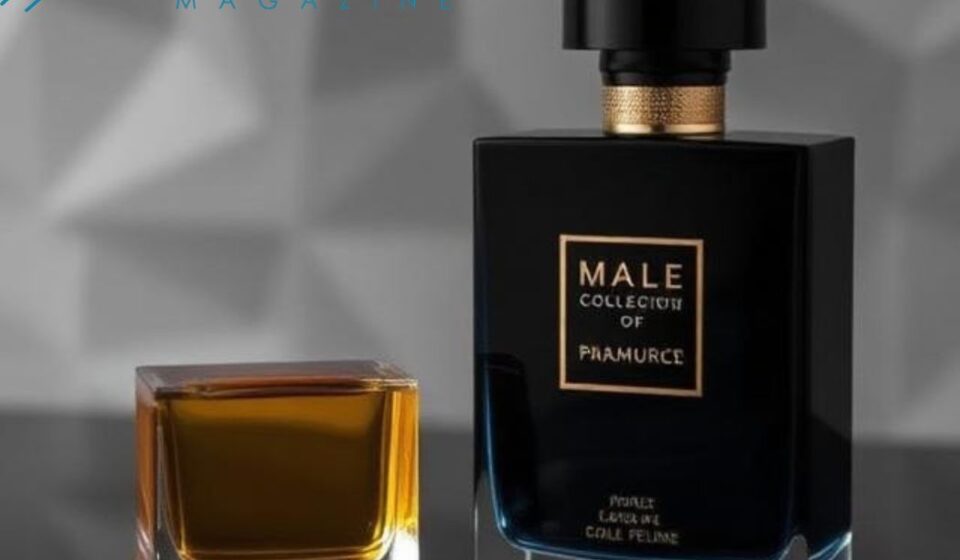
luxurious men perfume: Have you ever walked into a room and been instantly captivated by someone’s presence, long before they spoke a word? It’s rarely about their clothes or their watch. It’s something more primal. It’s the invisible, yet undeniable, trail of a luxurious men’s perfume.
In a world saturated with mass-produced fragrances, the choice to wear a luxury scent is a deliberate act of distinction. It’s a move from simply “smelling good” to crafting an identity. It is the difference between being noticed and being remembered.
But navigating the world of high-end perfumery can be intimidating. With vials of liquid costing more than a week’s rent and a glossary of obscure ingredients like oud, ambergris, and orris root, it’s easy to feel lost. This isn’t just about smelling like the latest celebrity endorsement; it’s about finding a liquid expression of your character.
In this guide, we will peel back the gilded layers of the fragrance world. We will explore what makes a perfume truly “luxurious,” highlight the trends shaping the industry in 2026, and provide you with a roadmap to finding a scent that doesn’t just announce your arrival but tells a story about who you are.
Table of Contents
ToggleBackground/Context: The Evolution of the Fragrance Wardrobe
For decades, a man’s fragrance journey started and ended at the department store counter. It was a simple choice: blue, sporty, or spicy. The goal was to smell “clean” or “attractive.” However, the landscape of luxurious men’s perfume has undergone a seismic shift.
The Rise of the Niche House
The true democratization of fragrance began with the internet. Suddenly, men were no longer limited to the designer houses that dominated advertising. They discovered niche perfumery—houses dedicated solely to the art of scent, not beholden to mainstream trends. Brands like Le Labo, Byredo, and Diptyque spearheaded this movement, offering complex, often unconventional, fragrances that challenged the status quo.
This shift was driven by a desire for individuality. In an age of mass production and social media algorithms, a unique scent became the ultimate personal accessory. It’s a statement that says, “I’ve put thought into this. I’m not following the crowd.”
From “Macho” to “Sensual”
Even the notion of “masculinity” in fragrance has evolved. The days of aggressive, overpowering “powerhouse” scents from the 80s are long gone. Today’s luxury scent is more nuanced. It embraces floral notes like iris and lavender, sweet touches like honey or vanilla, and the subtle, skin-like scent of ambroxan. It is less about projecting a bludgeon of masculinity and more about inviting intrigue through sensuality and complexity. It’s not about conquering the room; it’s about beckoning someone into your personal space.
The Artisanal Movement and Sustainability
Today’s discerning consumer is asking “where does it come from?” This question has birthed the artisanal movement within luxury perfumery. Houses are emphasizing transparency, showcasing the origin of their ingredients—from sustainably sourced sandalwood in Australia to the delicate harvest of jasmine in Grasse, France. This focus on sustainability and craftsmanship adds a new dimension to luxury: one of ethical consumption and connection to the land. Your scent now tells a story of quality, but also of responsibility.
Main In-Depth Sections: Decoding the Anatomy of Luxury
To truly appreciate luxurious men’s perfume, you must understand its composition. It’s not just a random mixture of smells; it’s a carefully constructed pyramid.
The Olfactory Pyramid: A Fragrance’s Structure
This is the traditional framework used by perfumers (noses) to structure a fragrance. It consists of three layers:
-
Top Notes (The Opening): This is your first impression. These are the lightest, most volatile molecules that you smell immediately upon spraying. They typically last for 5 to 15 minutes.
-
Common notes: Citrus (Bergamot, Lemon), Light Herbs (Basil, Mint), Light Spices (Cardamom, Pink Pepper).
-
What they do: They are designed to grab your attention and create the initial “wow” factor.
-
-
Heart Notes (The Soul): As the top notes evaporate, the heart notes emerge. These form the core character of the fragrance and can last for several hours.
-
Common notes: Floral (Lavender, Rose, Iris), Spices (Cinnamon, Nutmeg), Aromatics (Sage, Rosemary).
-
What they do: This is the scent that will define the fragrance’s personality and stay with you for the longest period.
-
-
Base Notes (The Finish): These are the heavy, long-lasting molecules that provide the foundation and staying power. They emerge after the heart notes have settled and can linger on your skin for 8-12 hours or more.
-
Common notes: Woods (Sandalwood, Cedar, Oud), Resins (Frankincense, Myrrh), Musk, Vanilla, Amber.
-
What they do: They give the fragrance its “dry down” and create its lasting impression and projection (how far the scent travels around you).
-
The Four Main Families of Men’s Luxury Fragrances
Understanding these families helps you narrow down your preferences.
-
Fresh/Citrus: Bright, energetic, and clean. Perfect for daytime, office, or summer.
-
Examples: Creed Aventus (fruity and smoky), Acqua di Parma Colonia (classic Italian citrus), Tom Ford Mandarino di Amalfi.
-
-
Woody: Earthy, warm, and sophisticated. Often associated with confidence and reliability. Excellent for fall and formal events.
-
Examples: Diptyque Tam Dao (sandalwood-focused), Le Labo Santal 33 (a modern iconic woody scent), Byredo Super Cedar.
-
-
Oriental/Amber: Rich, sweet, and sensual. Featuring notes like vanilla, benzoin, and spices, these are powerful and best suited for evening wear or winter.
-
Examples: Guerlain Shalimar (a timeless classic), Tom Ford Noir Extreme (spicy and vanillic), Yves Saint Laurent Opium Pour Homme.
-
-
Chypre/Fougère: A complex family that blends notes from multiple categories. Often features a base of oakmoss and a heart of florals, creating a refined, classic feel. It’s often described as “barbershop” but elevated to the highest art form.
-
Examples: Houbigant Fougère Royale (the original fougère), Chanel Pour Monsieur (an elegant chypre), Roja Dove Chypre Extraordinaire.
-
Practical Tips / How-to: Curating Your Liquid Wardrobe
A true connoisseur understands that one fragrance does not fit all seasons. Think of your fragrance collection like a wardrobe.
The 2026 Capsule Wardrobe for Your Nose
-
The Daytime Signature: A sophisticated fresh or woody scent for the office. It should be refined but not overwhelming. (e.g., Chanel Bleu de Chanel)
-
The Evening Statement: An oriental or spicy fragrance to command attention at dinners and events. (e.g., Initio Side Effect)
-
The Effortless Casual: A vibrant citrus or aquatic scent for weekends, brunches, and daytime social events. (e.g., Louis Vuitton Imagination)
-
The Rainy Day Companion: A comforting, leathery, or earthy scent for introspective, relaxed days. (e.g., Creed Royal Oud or Byredo Black Saffron)
The Art of Application: How to Wear Luxury Fragrance
To protect your investment and ensure its projection, application is crucial.
-
Moisturize First: Fragrance diffuses better on hydrated skin. Apply an unscented lotion to pulse points before spraying.
-
Target Pulse Points: Spray on warm areas where blood vessels are close to the skin: the wrists (don’t rub them together!), behind the ears, the base of the throat, and the inside of the elbows.
-
Don’t Overdo It: Luxury fragrances are potent. Two to four sprays are usually sufficient. A good rule of thumb is to start with two sprays and adjust based on the strength of the perfume and the event.
-
The “Invisible Cloud”: For a sophisticated sillage (the trail of scent you leave behind), spray the fragrance in the air and walk through it. This is a classic technique used by fragrance experts.
Common Mistakes or Challenges + Solutions
Even the most expensive fragrance can be wasted if you are committing these common errors.
-
Mistake 1: Rubbing Your Wrists Together.
-
The Problem: This creates friction, which generates heat and breaks down the top notes, ruining the fragrance’s intended opening profile.
-
The Solution: Simply let the fragrance air-dry on your skin.
-
-
Mistake 2: Blind Buying Based on a Trend.
-
The Problem: Just because a fragrance is a “best-seller” or has a cult following doesn’t mean it’s right for your skin chemistry. A scent can smell vastly different on two different people due to pH levels.
-
The Solution: Always test a fragrance on your skin, wait for the dry-down (30 minutes to an hour), and see how it interacts with your body chemistry before committing to a full bottle.
-
-
Mistake 3: Storing Your Fragrance in the Bathroom.
-
The Problem: Fluctuations in temperature and humidity (from showers) cause the molecules to degrade, ruining the perfume’s complexity.
-
The Solution: Store your fragrances in a cool, dark, and dry place, like a drawer or a closet, away from direct sunlight and heat sources. This preserves their integrity and longevity.
-
Pros, Cons, and Balanced Analysis of Luxury Perfume
| Pros | Cons |
|---|---|
| Superior Ingredients: Use higher-quality, natural, or rare raw materials, which smell more complex and often last longer. | High Cost: Prices can be prohibitive, making them a significant investment. |
| Uniqueness: Far less likely to smell like everyone else. The juice inside the bottle is carefully crafted and distinctive. | Availability: Often exclusive to boutique retailers or brand’s own stores, making it harder to sample. |
| Artistry: Formulated by master perfumers; the scent is often considered a work of art, telling a story. | Complexity: Can be more difficult for a beginner to understand, potentially leading to frustration. |
| Longevity: Generally, have better concentration (Eau de Parfum or Parfum), meaning they last longer on the skin. | Ingredients: Some formulations might be too challenging for those new to the world of sophisticated scents. |
| Packaging: The presentation, bottle design, and unboxing experience add to the overall luxury ritual. | Subjectivity: What you consider “luxurious” might not be what others define as pleasant. |
Future Trends and Predictions: The Scent of Tomorrow
The world of luxurious men’s perfume is in a constant state of evolution. Here’s what we predict will define the industry in the coming years.
-
AI-Enhanced Personalization: Perfumers are increasingly using algorithms to create bespoke fragrances. Instead of being limited to a house’s selection, a company will analyze your preferences, skin chemistry, and even your lifestyle data to create a scent that is truly one-of-a-kind.
-
The Rise of “Nose-to-Tail” Perfumery: Sustainability will move from a buzzword to an expectation. We will see more brands committing to a “nose-to-tail” approach, using every part of their plant sources to reduce waste. This is akin to “whole beast” butchery; nothing is thrown away.
-
Bio-Fermented Ingredients: With natural resources under threat, brands are turning to bio-fermentation in labs to replicate rare ingredients like sandalwood. This is not synthetic chemistry but a natural replication process that ensures quality and sustainability, promising a new era of ethical luxury.
-
Emotional and Wellness Perfumery: The post-pandemic world has placed a premium on emotional well-being. Perfume houses are increasingly focusing on “mood-enhancing” fragrances. Expect to see more scents designed specifically to de-stress (lavender, chamomile) or energize (peppermint, ginger) the wearer, blending the lines between fine fragrance and aromatherapy.
Conclusion and Key Takeaways
Investing in a luxurious men’s perfume is an investment in your personal brand. It’s not about vanity; it’s about presence, identity, and leaving a memorable impression. As we move further into the digital age, the scent you wear is one of the few powerful, analog forms of communication left. It is a silent, sophisticated, and deeply personal way to introduce yourself to the world.
Key Takeaways:
-
Luxury is Narrative: A high-end fragrance tells a story of craftsmanship and artistry.
-
The Pyramid Matters: Understanding top, heart, and base notes helps you appreciate the fragrance’s evolution.
-
Seasonality is Key: Curate a wardrobe of scents for different times of day, seasons, and occasions.
-
Test Before You Buy: Skin chemistry is the final and most important variable in how a scent performs.
-
Store with Care: Protect your investment from heat and humidity.
-
Look to the Future: AI personalization and bio-fermented ingredients are the next frontiers in this evolving industry.
Elevate your presence, define your scent.
Detailed FAQs
Q1: What is the best luxurious men’s perfume?
A: There is no single “best” fragrance, as it depends entirely on personal taste and skin chemistry. However, iconic and highly respected luxury scents include Creed Aventus, Le Labo Santal 33, Tom Ford Oud Wood, and Chanel Bleu de Chanel Parfum. The best way to find “your” scent is to sample various ones on your skin.
Q2: What is the difference between Eau de Toilette and Eau de Parfum?
A: The primary difference is the concentration of perfume oils. Eau de Toilette (EDT) generally has 5-15% concentration, making it lighter and often less long-lasting. Eau de Parfum (EDP) has a higher concentration of 15-20%, resulting in a richer, more intense scent with greater longevity. Parfum (Extrait de Parfum) is the highest concentration, often 20-30%, and is the most luxurious and long-lasting.
Q3: How long should a luxury perfume last on my skin?
A: A high-quality Eau de Parfum should last anywhere from 6 to 12 hours on the skin, with base notes lingering for longer. Factors like skin type (oilier skin holds scent longer), humidity, and the specific fragrance composition all affect longevity.
Q4: Why do luxury perfumes seem to “change” after a while on my skin?
A: This is the natural evolution of the fragrance’s pyramid. The lighter top notes evaporate to reveal the heart notes, and finally, the heavy base notes settle in. This “dry down” is a hallmark of a well-made fragrance and is part of the experience.
Q5: Should I buy a luxury fragrance online?
A: It is generally recommended to buy from authorized retailers or directly from the brand’s website to ensure authenticity. Be cautious of third-party sellers offering deep discounts, as counterfeit perfumes are a significant problem. If buying online, use a trusted platform like the brand’s official site, Sephora, Nordstrom, or Harrods.
Q6: What is Oud and why is it so popular in luxury fragrances?
A: Oud (also known as agarwood) is a rare, dark, and highly aromatic resinous wood that forms in the heart of the Aquilaria tree. Its complex scent profile—often described as woody, sweet, and animalic—makes it a cornerstone of Middle Eastern perfumery and it has gained massive global popularity due to its uniqueness and longevity.
Q7: Is a more expensive perfume always better quality?
A: Not necessarily. While a higher price point often reflects the use of rare, natural ingredients and masterful craftsmanship, it is not an absolute guarantee of quality. Many smaller, artisanal houses offer incredible fragrances at a fraction of the cost of luxury mega-brands. The “quality” is ultimately how it makes you feel and how well it performs on your skin.
Sources: luxurious men perfume
This article is based on a synthesis of established industry knowledge, current consumer trends as of 2026, and authoritative sources in the field of perfumery.
-
Fragrance Foundations & Education: The information on olfactory pyramids and scent families is based on the foundational knowledge taught by institutions like the Fragrance Foundation.
-
Industry Publications: Trends and market analysis are drawn from reputable industry publications such as BoF (Business of Fashion), WWD (Women’s Wear Daily), and The Perfume Society.
-
Perfumer Insights: Knowledge of raw ingredients and artistry is informed by publicly available interviews and writings from renowned perfumers.
-
Brand Information: Product specifics and sustainability initiatives are based on the official publications and websites of the luxury houses mentioned, including Creed, Le Labo, Byredo, Diptyque, and Tom Ford.
-
General Knowledge: The evolution of masculinity in fragrance and consumer behavior is well-documented and observed across various sociological and marketing studies.
Tags:
luxurious men perfume
admin
M Umer Abbasi is a luxury lifestyle journalist and editorial curator specializing in haute horology, passion investments, and avant-garde design. With an eye for flawless craftsmanship and heritage storytelling, he deconstructs the world of high-ticket assets—from secondary watch market trends to the evolution of bespoke tailoring. His work focuses on shifting the luxury narrative away from fleeting trends and toward timeless design, raw materials, and true artisanship. When he isn’t dissecting mechanical complications or reviewing five-star sanctuaries, he tracks blue-chip alternative asset indices. Connect with him via cbdfame@gmail.com

