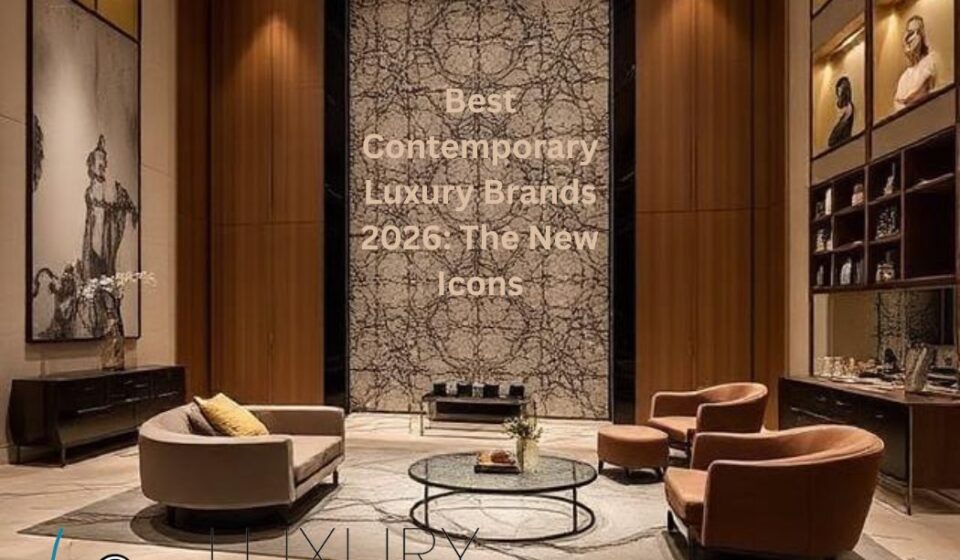
Best Contemporary Luxury Brands 2026: What does luxury mean in 2026? If you think it’s just about a designer monogram plastered on a handbag, you are about to be pleasantly surprised. Today, the fashion landscape is shifting beneath our feet. While the heritage houses are still the kings of the hill, a new wave of labels—and even some surprising high-street names—are redefining what “contemporary luxury” truly means. We are witnessing a fascinating tug-of-war between the comfort of timeless heritage and the excitement of fresh, minimalist visions, with the global consumer acting as the ultimate judge.
This isn’t just about buying clothes; it’s about buying into a philosophy. Consumers in 2026 are becoming far more intentional with their wardrobes, prioritizing design integrity, cultural relevance, and a clear point of view over mere logo recognition. This shift has created a vibrant ecosystem where a new guard of “best contemporary luxury brands” is rising to challenge the old order.
In this comprehensive guide, we will deep-dive into the state of luxury in 2026. We will analyze the Lyst Index to see who is winning the digital popularity contest, explore the surprising rise of “affordable luxury,” spotlight the brands rewriting the rules of sustainability, and gaze into the future to see what comes next.
Table of Contents
ToggleThe Authority on Hype: What the 2026 Lyst Index Reveals
The first stop on our journey is the Lyst Index, the definitive quarterly report that tracks the search, browse, and purchase behavior of over 160 million shoppers worldwide. Unlike traditional rankings based on sales volume alone, the Lyst Index uses a methodology built around three pillars: Desire (cultural conversation), Demand (shopping behavior), and Discovery (how shoppers find fashion today, including AI-powered search). This makes it the best barometer for who is genuinely capturing the world’s attention.
Heritage Heavyweights Still Rule: Best Contemporary Luxury Brands 2026
For the second quarter of 2026, Chanel has once again been crowned the hottest luxury brand on the planet. The French house continues to prove that classics never go out of style, maintaining its momentum even as it enters a new creative chapter under Matthieu Blazy. Chanel’s appeal is reinforced by strong interest in its Coco Beach and Métiers d’Art 2026 collections, with demand for its accessories—particularly sunglasses, which saw a 70% surge in searches—soaring.
Hot on Chanel’s heels are familiar titans. Miu Miu climbed back to the number two spot, driven by a 30% rise in demand for its quirky crochet bags and high-profile collaborations. Dior, Saint Laurent, and Gucci round out the top five, with Gucci in particular climbing four places amid excitement surrounding Demna’s creative debut for the house. This proves that while the market is changing, the legacy of these powerhouses remains deeply entrenched.
The Elephant in the Room: The High-Street Disruptor
The biggest shock of the Q2 2026 Lyst Index isn’t a designer at all; it’s Massimo Dutti. The Spanish high-street label, owned by Inditex, recorded the biggest jump, climbing eight places to land at number ten. It’s now rubbing shoulders with the world’s most exclusive fashion houses.
What’s driving this phenomenal rise? It’s a masterclass in the power of “affordable luxury.” Massimo Dutti has long been a go-to for elevated everyday basics, minimalist workwear, and Mediterranean-inspired pieces. The brand’s recent surge was catalyzed by a specific celebrity moment: when model Bella Hadid was photographed in Saint-Tropez wearing a Massimo Dutti slip dress and woven bag, a look Lyst described as sparking a “growing desire for its elevated Mediterranean-inspired pieces”. With a +43% surge in demand, Massimo Dutti proves that contemporary luxury in 2026 is not solely defined by price, but by aesthetic cohesion and aspirational design.
The New Guard: Designers Redefining Minimalism
If Chanel represents the pinnacle of historic luxury, a new vanguard of designers is redefining what luxury looks like for the modern minimalist.
The Phoebe Philo Effect
The most talked-about debut in the Lyst Index belonged to Phoebe Philo. The designer’s eponymous label entered the list for the first time at number 18, recording a 29% rise in demand. Years after redefining minimalist dressing at Celine, Philo continues to command a fiercely loyal following. Her success confirms a significant shift: consumers are hungry for sophisticated, “quiet luxury”—a term that defines the contemporary luxury aesthetic of 2026.
Celine and Chloé’s Comeback
Further proving the power of creative direction, Celine climbed five places to number 15 as renewed interest in its evolving direction (under designer Michael Rider) translated into stronger consumer demand, with searches growing by 31%. Similarly, Chloé climbed three places, up 20%. These moves indicate that when brands successfully articulate a fresh, compelling vision, the market will enthusiastically respond.
Sustainability: The Non-Negotiable Currency of Luxury
In 2026, “luxury” and “sustainability” are no longer opposing concepts. Increasingly, they are inextricably linked. The modern luxury consumer is deeply conscious of their environmental footprint, and the industry is responding in kind.
Awards and Recognition
The Positive Luxury Awards 2026 shortlist highlights the brands leading this charge. Artknit Studios, an Italian knitwear brand and certified B Corporation, is a prime example. They are committed to creating timeless knitwear using natural, durable fibres and a responsible production model, operating outside the traditional fashion calendar with a slow, demand-driven approach.
Other notable sustainable labels include:
-
Ninety Percent: A London-based fashion house that gives 90% of its profits to charity and its garment makers, leaning into minimalism and using organic cotton.
-
Gabriela Hearst: A pioneer of sustainable luxury, who hosted the first carbon-neutral runway show and sources wool from her family’s farm in Uruguay while using dead stock fabrics.
-
Bird: The UK’s first B-Corp approved eyewear brand, which is also carbon-negative, using eco-friendly bio-acetate and recycled steel.
-
Sheep Inc: Offers traceable merino wool knitwear from New Zealand, where each garment has a digital tag linked to the specific sheep that produced the wool .
The “Brands of Tomorrow”
In the UK, Walpole’s prestigious “Brands of Tomorrow” programme for 2026 has selected a cohort of 12 emerging brands that champion sustainability, authenticity, and craftsmanship. Names like HERD (a clothing brand with an award-winning additive-free, plant-dyed wool supply chain) and Kindred of Ireland (reimagining Irish linen heritage) represent the future of responsible luxury.
Beyond Fashion: The Rise of Lifestyle Luxury
The concept of “best contemporary luxury brands” extends beyond clothing. The same principles of design integrity and quality craftsmanship are now applied to home, travel, and even food.
Home Design
Brands like Vaarnii from Finland are challenging the status quo by using slow-grown Finnish Scots pine—traditionally a humble material—and employing top designers to create furniture meant to last a century. Similarly, Brooklyn-based In Common With is bridging the gap between contemporary design and historic craftsmanship, using antique Murano techniques to create collectible lighting.
Travel and Accessories
London-based Carl Friedrik, founded by Swedish brothers, has quietly grown into a luxury luggage authority. They’ve secured their place as the mature alternative to other luggage startups with appearances in shows like Succession and have expanded their retail presence, proving that “quiet” growth often translates to longevity .
Common Mistakes and Challenges in Choosing a Luxury Brand
Navigating this new landscape can be daunting. Here are some common pitfalls to avoid:
-
Equating Price with Quality: As the rise of Massimo Dutti shows, a high price tag is no longer the only indicator of value. The best brands in 2026 offer value through design and material quality, not just a logo.
-
Buying for the Logo Alone: The “quiet luxury” trend suggests that the most discerning consumers are moving away from visible branding. They prioritize cut, fit, and a sense of timelessness over hype.
-
Ignoring Sustainability: While a brand may look luxurious, failing to consider their supply chain and environmental impact is becoming a major oversight for the modern consumer.
-
Following Trends Blindly: The 2026 luxury consumer is more intentional. The goal is to buy pieces that will last for years, not just one season.
Conclusion: The New Luxury Equation
The contemporary luxury market of 2026 is the most exciting and dynamic it has ever been. It’s no longer a monolith dominated by a few; it’s a vibrant ecosystem where a $200 dress from Massimo Dutti can be as culturally relevant as a $5,000 Chanel handbag. The key takeaway is that the best brands are those that offer a compelling narrative.
Key Takeaways
-
Heritage Still Matters: Brands like Chanel and Miu Miu remain at the top, driven by strong creative direction and immense cultural desire.
-
Accessibility is Rising: “Affordable luxury” labels like Massimo Dutti are being embraced for their refined aesthetic and elevated wardrobe staples.
-
Minimalism is King: “Quiet luxury” and sophisticated design is a dominant trend, with Phoebe Philo leading the charge.
-
Sustainability is Non-Negotiable: The brands winning today are those that are transparent and responsible.
-
Look Beyond Fashion: The most exciting brands are expanding into home and lifestyle, offering a complete vision of contemporary living.
Frequently Asked Questions (FAQs) About Best Contemporary Luxury Brands 2026
1. What is the Lyst Index?
The Lyst Index is a quarterly ranking of the world’s hottest fashion brands and products. It analyzes the behavior of over 160 million users to measure brand desirability, demand, and discovery.
2. Who is the hottest luxury brand in 2026?
According to the Q2 2026 Lyst Index, Chanel holds the number one spot, followed by Miu Miu, Dior, Saint Laurent, and Gucci.
3. What is “quiet luxury” and why is it popular?
“Quiet luxury” refers to a minimalist, sophisticated aesthetic that focuses on high-quality materials and timeless design rather than loud logos. It is popular because it signals status through discernment and taste rather than flashy branding, a sentiment championed by designers like Phoebe Philo.
4. What are the best sustainable luxury brands?
Brands recognized for their leadership in sustainability in 2026 include Artknit Studios, Ninety Percent, Gabriela Hearst, Sheep Inc, and Bird.
5. What is the Walpole Brands of Tomorrow programme?
It is a UK-based incubator program run by Walpole, the luxury industry body. It guides emerging British luxury brands through mentorship and workshops to accelerate their growth. The 2026 cohort includes Herd, Kingdom Scotland, and Artelium.
6. Is sustainable luxury becoming more accessible?
Yes. Brands like Ninety Percent and Everlane are making sustainable and ethical clothing more accessible to a broader audience.
7. Why did Massimo Dutti become so popular?
Massimo Dutti surged in popularity due to its minimalist, grown-up aesthetic and “elevated” basics. The rise is also attributed to a significant celebrity moment and its strong position as a leader in the workwear and resort categories.
8. Who are the rising stars in luxury home design?
Vaarnii from Finland and In Common With from Brooklyn are emerging as major players in luxury home design, focusing on material integrity and artisan craftsmanship.
Sources: Best Contemporary Luxury Brands 2026
-
News18. “Chanel Holds Top Spot While Massimo Dutti, Celine Emerge As Big Winners On Lyst Index.”
-
RBC-Ukraine. “Lyst Index names world’s hottest fashion brands of 2026.”
-
Luxe Digital. “Emerging Luxury Brands to Watch: Q3 2026.”
-
Positive Luxury. “Positive Luxury Awards 2026: Fashion Shortlist.”
-
Milano Finanza. “Lyst index 2026, Chanel si riconferma l’hottest brand del secondo trimestre.”
-
Tempus Magazine. “Shaping luxury: Here are the 2026 Walpole Brands of Tomorrow.”
-
Everywhen. “5 standout sustainable luxury brands.”
-
Marie Claire UK. “This High Street Store Is Competing With Chanel, Miu Miu, Dior and Saint Laurent.”
-
Walpole. “Meet the Brands of Tomorrow 2026.”
-
Positive Luxury. “Responsible Luxury Business of the Year | Awards 2026 Shortlist.”
-
nss magazine. “The Lyst Index Q2 confirms the hottest summer trends.”
-
Neo2 Magazine. “Las marcas de moda top del momento según The Lyst Index.”

admin
M Umer Abbasi is a luxury lifestyle journalist and editorial curator specializing in haute horology, passion investments, and avant-garde design. With an eye for flawless craftsmanship and heritage storytelling, he deconstructs the world of high-ticket assets—from secondary watch market trends to the evolution of bespoke tailoring. His work focuses on shifting the luxury narrative away from fleeting trends and toward timeless design, raw materials, and true artisanship. When he isn’t dissecting mechanical complications or reviewing five-star sanctuaries, he tracks blue-chip alternative asset indices. Connect with him via cbdfame@gmail.com