
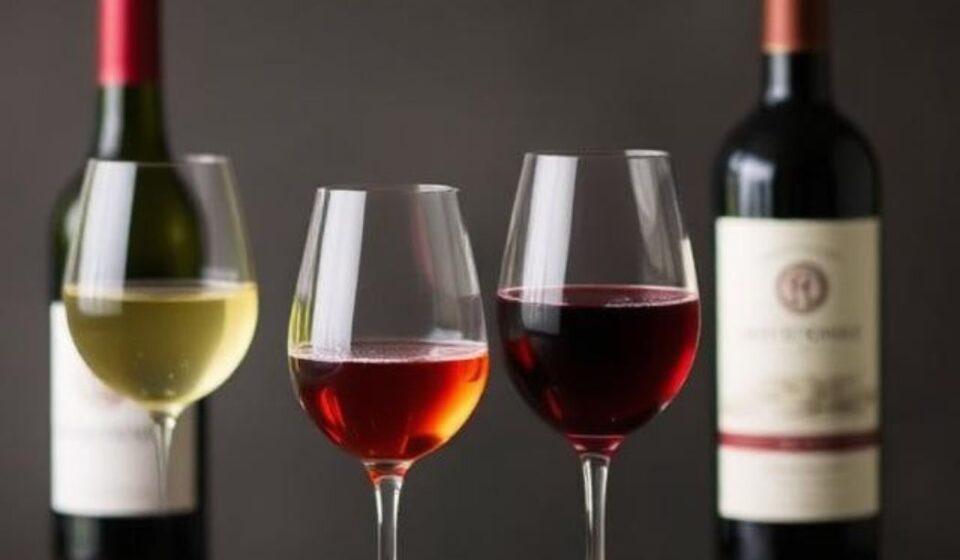
Sweet Wine Types: Picture this: you’re at a dinner party, and when the dessert menu comes around, your host proudly presents a wine that’s the color of liquid gold. The first sip is a revelation—honeyed apricot, vibrant acidity, and a finish that seems to last forever. You’ve just discovered the magic of sweet wines.
For years, the wine world has treated sweet wines like the misunderstood stepchild of the wine family, often unfairly dismissed as cloying or simplistic. But here’s the truth that connoisseurs and casual drinkers alike are finally waking up to: the best sweet wines exhibit a complexity that’s hard to achieve in dry wines, simply because of the extraordinary ripeness of the grapes at harvest. The tide is turning, and these wines are now capturing the palates of both novice drinkers and seasoned enthusiasts with their balanced sweetness, vibrant acidity, and remarkable versatility.
This comprehensive guide will take you on a journey through the fascinating world of sweet wine types, exploring everything from the production methods that make them so special to practical tips for enjoying them at their best.
Table of Contents
ToggleWhat Exactly Makes a Wine Sweet?
Before we dive into specific types, let’s clear up a common misconception. The sweetness in wine comes from residual sugar (RS) —the natural grape sugars that remain after fermentation is complete.
During fermentation, yeast consumes grape sugars and converts them into alcohol. If winemakers let the yeast run its course until all sugar is gone, the result is a dry wine. To create a sweet wine, winemakers intervene by stopping fermentation before all the sugar is converted, leaving behind that luscious sweetness we crave.
Here’s an interesting nuance: our perception of sweetness isn’t just about sugar content. High acidity can make a wine taste less sweet than it actually is, while certain flavor compounds—like vanilla from oak aging or ripe fruit characteristics—can trick our brains into perceiving sweetness even in technically dry wines. This is why the “sweetness” label can sometimes be misleading.
Quick Sweetness Scale:
-
Bone Dry: Less than 1 gram/L residual sugar
-
Dry: 1-10 g/L
-
Off-Dry: 10-35 g/L
-
Semi-Sweet: 35-120 g/L
-
Sweet: 120-220+ g/L
The 2 Major Categories of Sweet Wine Production
Understanding how sweet wines are made adds a whole new dimension to appreciating them. There are two primary categories of production methods :
Natural Sweet Wines
These are made by adding grape spirit (brandy) to the fermenting wine, which kills the yeast and stops fermentation while sugar remains. Port is the most famous example. The added alcohol raises the wine’s ABV to 15-22%, making these wines more robust and longer-lasting once opened.
Naturally Sweet Wines
These wines get their sweetness solely from grapes with exceptionally high sugar concentrations. The sugar levels are so intense that yeast simply can’t convert it all, leaving significant residual sugar. These wines often have lower alcohol levels, typically 12-15% ABV.
The Most Important Sweet Wine Types You Need to Know
1. Moscato: The Approachable Crowd-Pleaser
If there’s one sweet wine that’s become a global phenomenon, it’s Moscato. Made from the Muscat grape family, particularly Moscato Bianco, this wine is celebrated for its intense floral aromas, fresh fruitiness, and approachable sweetness.
Where It’s From: Italy’s Piedmont region produces the most celebrated version—Moscato d’Asti, a lightly sparkling (frizzante) wine that’s delightfully refreshing.
What It Tastes Like: Peach, apricot, orange blossom, honey, and passion fruit
Why It’s Perfect for Beginners: With its low alcohol content (typically 5-6% ABV), bright acidity, and friendly sweetness, Moscato is the ideal starting point for anyone new to wine. It’s the gateway drug of the wine world—accessible, delicious, and endlessly enjoyable.
Try it with: Fresh fruit, spicy dishes (the sweetness tames the heat beautifully), soft cheeses, or light desserts like fruit tarts.
2. Riesling: The Sweetness Chameleon
Riesling is one of the world’s most noble grape varieties, capable of producing everything from bone-dry wines to lusciously sweet masterpieces. What makes Riesling exceptional is its remarkable balance—even at high sweetness levels, its electric acidity keeps the wine fresh and vibrant.
Where It’s From: Germany is Riesling’s spiritual home, particularly the Mosel, Rheingau, and Nahe regions. Austria, Alsace (France), Australia, and Washington State also produce outstanding examples.
German Sweetness Levels to Know:
-
Kabinett: Light and refreshing, often off-dry
-
Spätlese: Late harvest, noticeably sweeter with more body
-
Auslese: Made from selected ripe grapes, often with noble rot influence
-
Beerenauslese (BA): Very sweet, made from botrytis-affected grapes
-
Trockenbeerenauslese (TBA): The pinnacle of sweetness, made from shriveled, botrytised grapes—the rarest and most expensive
What It Tastes Like: Green apple, lime, honey, jasmine, and stone fruits. Aged Rieslings develop a distinctive petrol aroma that wine lovers cherish
Try it with: Spicy Asian cuisine, rich cheeses, fruit-based desserts, or simply as a refreshing afternoon aperitif.
3. Sauternes: Liquid Gold from Bordeaux
Sauternes is perhaps the most famous sweet wine in the world, produced in the Bordeaux region of France using grapes affected by Botrytis cinerea, known affectionately as “noble rot”.
What Makes It Special: Noble rot is a fungus that pierces the grape skins, causing water to evaporate while concentrating sugars, acids, and flavors. The result is a wine of incredible complexity and longevity, with a distinctive golden-to-amber color.
What It Tastes Like: Rich honey, apricot, dried peach, orange marmalade, saffron, and vanilla
Try it with: Foie gras (the classic pairing), blue cheese, fruit tarts, or even oysters (a surprisingly magical combination).
4. Port: Portugal’s Fortified Treasure
Port is a sweet fortified wine from Portugal’s Douro Valley, made by adding grape spirit to fermenting wine—a process that stops fermentation while preserving the grape’s natural sweetness.
Types of Port:
-
Ruby Port: Aged for 2-3 years in large vessels, youthful, fruity, and affordable
-
Tawny Port: Aged in small barrels for extended periods, developing nutty, caramel flavors and a tawny color. Aged Tawny Ports (10, 20, 30, 40 years) are especially prized
-
Vintage Port: Made from grapes of a single exceptional vintage, aged in oak for 2-3 years before bottling, then aged in bottle for decades. The most prestigious style
What It Tastes Like: Dark cherry, blackberry, chocolate, and caramel notes
Try it with: Stilton cheese, dark chocolate desserts, or even steak (a sublime sweet-savory pairing) .
5. Ice Wine (Eiswein): Nature’s Frozen Delicacy
Ice wine is one of the rarest and most labor-intensive sweet wines you’ll encounter. The grapes are left on the vine until winter temperatures drop below freezing (typically around 7-12°C), then harvested and pressed while still frozen.
The Magic: The frozen water crystals remain behind during pressing, leaving an intensely concentrated juice that’s sweet, acid-rich, and complex.
Where It’s From: Canada is the world’s largest producer, but Germany, Austria, and Switzerland also make exceptional ice wines.
What It Tastes Like: Concentrated peach, honey, tropical fruits, and citrus, all balanced by vibrant acidity
Try it with: Cheesecake, fruit desserts, blue cheese, or simply savor it on its own.
6. Late Harvest Wines: Grapes at Peak Maturity
Late harvest wines are made from grapes left on the vine longer than usual, allowing them to become intensely ripe and develop higher sugar concentrations. Some late harvest wines may be affected by noble rot, while others are simply exceptionally ripe.
Key Examples:
-
SGN (Sélection de Grains Nobles): The Alsatian term for late-harvest wines made from individually selected botrytised grapes
-
Vendange Tardive: Also from Alsace, meaning “late harvest” and often made from Riesling, Gewürztraminer, or Pinot Gris
Try it with: Fruit tarts, spicy dishes, or soft cheeses.
Sweet Red Wines: The Overlooked Gem
While sweet white wines dominate the category, sweet red wines deserve serious attention. These wines range from refreshing and fizzy to rich and brooding.
Lambrusco
This deeply purple, fizzy wine from Italy’s Emilia-Romagna region comes in various sweetness levels, from dry (secco) to sweet (dolce). Sweet versions are fruit-forward with ripe berry flavors and low tannins, making them incredibly fun and approachable.
Try it with: Pizza, barbecue, or charcuterie.
Brachetto d’Acqui
Another Italian gem from Piedmont, this sweet, lightly sparkling red smells of roses, strawberries, and raspberries. It’s particularly prized for its perfect pairing with chocolate.
Try it with: Chocolate desserts, berry tarts, or cured meats.
Recioto della Valpolicella
Made using the appassimento process—where grapes are dried for months to concentrate sugars and flavors—this Italian red is intensely rich with dried fruit and dark cherry notes. It’s the sweet counterpart to the famous Amarone.
More Sweet Wines Worth Discovering
Tokaji Aszú (Hungary)
The “Wine of Kings” and one of the world’s oldest sweet wine traditions. Made from Furmint grapes affected by noble rot, Tokaji offers honey, apricot, spice, and fantastic acidity. The sweetness level is measured in “puttonyos” (with higher numbers indicating more sweetness).
Vin Santo (Italy)
An Italian “straw wine” made by drying grapes on straw mats or hanging them to raisinate before fermentation. The result is a rich, nutty wine with dried fruit flavors—a Tuscan classic perfect with biscotti.
Pedro Ximénez (PX) Sherry (Spain)
Made from sun-dried Pedro Ximénez grapes, this is one of the world’s sweetest wines—often described as having the consistency of liquid raisins. It’s intensely sweet, rich, and syrupy, making it perfect for drizzling over ice cream.
Vin de Constance (South Africa)
A legendary sweet wine made from Muscat de Frontignan, mentioned in Jane Austen’s novels and beloved by Napoleon. It’s known for its balance of rich sweetness and vibrant acidity.
Gewürztraminer
Known for its rose petal and lychee aromas, this aromatic grape from Alsace and Germany can range from dry to sweet. Sweeter versions are wonderfully perfumed and pair beautifully with spiced desserts.
Chenin Blanc
Particularly in the Loire Valley, Chenin Blanc is made into lusciously sweet wines (known as Moelleux) with honey, quince, and tropical fruit flavors.
Practical Tips for Serving and Pairing Sweet Wines
Serving Temperature
Sweet wines are best served chilled, typically around 45-50°F. The cold temperature highlights the fruitiness and keeps the sweetness refreshing rather than heavy.
Glassware
Use stemmed glasses to maintain temperature longer. White wine glasses are suitable for most sweet wines, while Port and similar fortified wines can be served in smaller glasses.
Pairing Principles
Spicy Foods: Sweetness is the perfect antidote to heat. Moscato, Riesling, and Lambrusco are excellent with Thai, Indian, and Mexican cuisine.
Rich Cheeses: Sauternes and Blue Cheese? Heavenly. The saltiness of the cheese contrasts beautifully with the wine’s sweetness.
Savory Pairings: Don’t limit sweet wines to dessert. Sauternes with oysters or foie gras is legendary. Port with steak? Also a winning combination.
Dessert: The classic approach. Match the wine’s sweetness intensity to the dessert. Lighter sweets call for Moscato or Riesling; richer desserts like chocolate need Port, Brachetto, or Pedro Ximénez.
Common Mistakes and Challenges
Mistake 1: Assuming All Sweet Wines Are Low Quality
This is simply wrong. Some of the most complex, age-worthy, and expensive wines in the world are sweet styles. Think Vintage Port, TBA Riesling, or Sauternes.
Mistake 2: Being Afraid of the Price Tag
While high-end sweet wines can be expensive, there are plenty of affordable options for everyday enjoyment. Moscato d’Asti, sweet Lambrusco, and off-dry Riesling are all budget-friendly.
Mistake 3: Ignoring the Serving Temperature
Sweet wines served too warm feel heavy and cloying. Always chill them properly.
Challenge: Finding the Right Sweetness Level
The key is to match the wine’s sweetness to your preference and to the dish you’re serving. Don’t hesitate to ask a knowledgeable wine shop staff for recommendations—they’re there to help.
Future Trends in Sweet Wine (2026+)
The wine world is experiencing a sweet wine renaissance. Here’s what’s happening:
Rising Popularity: Sweet wines are increasingly popular among both novice drinkers and seasoned connoisseurs, who are rediscovering their complexity and versatility.
Greater Appreciation for Craftsmanship: Consumers are recognizing the skill required to produce exceptional sweet wines, from managing noble rot to harvesting frozen grapes at dawn.
Innovative Pairings: Chefs and sommeliers are exploring adventurous pairings, like Sauternes with oysters or Port with red meat, expanding how we think about sweet wines.
Focus on Balanced Sweetness: Modern winemakers are emphasizing balance, ensuring high residual sugar is matched with vibrant acidity. This creates wines that are rich and sweet without feeling cloying.
Underrated Styles Gaining Recognition: Wines like Jurançon, Malvasia delle Lipari, and Vin de Constance are receiving well-deserved attention.
Quick Summary & Key Takeaways: Sweet Wine Types
-
Sweet wines get their sweetness from residual sugar, created by stopping fermentation before all natural grape sugars convert to alcohol.
-
Sweet wine types are remarkably diverse, from refreshing Moscato to age-worthy Sauternes and intense Port.
-
Quality is not compromised by sweetness—some of the world’s most prestigious wines are sweet styles.
-
Pairing sweet wines with savory foods (spicy, salty, or rich dishes) creates extraordinary culinary experiences.
-
Consider the sweetness level of the wine when pairing with desserts—more intense desserts can handle richer sweet wines.
-
Don’t overlook sweet red wines—Lambrusco and Brachetto d’Acqui are delightful and versatile.
-
Serve sweet wines chilled to enhance their fruitiness and maintain refreshing balance.
-
Sweet wines are experiencing a renaissance, driven by growing appreciation for their complexity, craftsmanship, and versatility.
Detailed FAQs About Sweet Wine Types
Q1: What is the sweetest type of wine?
A: Trockenbeerenauslese (TBA) Riesling and Pedro Ximénez Sherry are among the sweetest wines in the world, often exceeding 220 grams of residual sugar per liter. These are intensely sweet, raisiny, and luscious styles.
Q2: Is Riesling always sweet?
A: No, Riesling is incredibly versatile, ranging from bone-dry to intensely sweet. Look for specific German labels (Kabinett, Spätlese, etc.) or check the wine’s description to determine its sweetness level. Australian Rieslings are typically dry, while German Rieslings often have some residual sugar.
Q3: What is the difference between dessert wine and sweet wine?
A: While often used interchangeably, dessert wine typically refers to sweeter styles intended to accompany dessert. Sweet wine is a broader category that includes any wine with noticeable residual sugar. All dessert wines are sweet, but not all sweet wines are classified as dessert wines.
Q4: What are the 5 main types of dessert wine?
A: According to industry experts, the five main styles are :
-
Sparkling dessert wine (e.g., Moscato d’Asti, Demi-Sec Champagne)
-
Lightly sweet wine (e.g., Riesling, Gewürztraminer, Chenin Blanc)
-
Richly sweet wine (e.g., Sauternes, Tokaji, TBA Riesling)
-
Sweet red wine (e.g., Lambrusco, Brachetto d’Acqui, Recioto)
-
Fortified wine (e.g., Port, Madeira, Pedro Ximénez Sherry)
Q5: How do I know if a wine is sweet just by looking at the label?
A: Here are common label terms to look for:
-
French: Moelleux (sweet), Doux (sweet), Vendange Tardive (late harvest)
-
German: Spätlese, Auslese, BA, TBA (all indicate increasing sweetness)
-
Italian: Dolce (sweet), Amabile (semi-sweet), Passito (straw wine)
-
Also watch for terms like Late Harvest, Ice Wine, or Noble Rot
Q6: Are sweet wines more or less alcoholic than dry wines?
A: It depends on the production method. Natural sweet wines (fortified) like Port can have 19-22% ABV. Naturally sweet wines like Moscato d’Asti typically have lower alcohol (5-6% ABV). Riesling and similar styles are moderate (8-12% ABV). The sweetness level doesn’t necessarily indicate alcohol level.
Q7: Can sweet wines age well?
A: Yes, many sweet wines age beautifully! The combination of high sugar and high acidity acts as a natural preservative. Sauternes, Vintage Port, TBA Riesling, and Tokaji Aszú can age for decades—or even centuries—developing incredible complexity.
Q8: What sweet wine is best for beginners?
A: Moscato d’Asti is the perfect starting point due to its approachable sweetness, low alcohol, and fruity, floral profile. Off-dry Riesling (Kabinett or Spätlese) is another excellent choice for those who want a bit more complexity.
Q9: Which sweet wines pair best with chocolate?
A: Dark chocolate pairs beautifully with Brachetto d’Acqui, Ruby Port, or Pedro Ximénez Sherry. For milk or white chocolate, try Moscato or sweet Riesling.
Q10: Is White Zinfandel a sweet wine?
A: Yes, White Zinfandel is typically a sweet rosé wine made from red Zinfandel grapes with limited skin contact. It’s known for its bright berry flavors, light body, and approachable sweetness, making it a popular choice for casual sipping.
Q11: What are “off-dry” wines?
A: Off-dry wines have a touch of residual sugar (typically 10-35 g/L) but aren’t overtly sweet. The sugar is often balanced by high acidity, resulting in a wine that tastes subtly sweet but still refreshing and food-friendly.
Q12: How do I store leftover sweet wine?
A: Refrigerate fortified wines like Port (they’ll last weeks to months due to higher alcohol). Non-fortified sweet wines are less stable—refrigerate and consume within 3-5 days.
Sources
This article draws on expertise and information from leading wine resources, including Wine-Searcher, Wine Enthusiast, Wine Folly, Wine Spectator, and Vivino. For in-depth research on specific producers or vintages, these sources offer extensive databases and professional reviews.
The world of sweet wines is vast, diverse, and filled with treasures waiting to be discovered. Whether you’re sipping a refreshing Moscato on a summer afternoon or savoring a vintage Sauternes on a special occasion, there’s a sweet wine for every moment. The most important rule? Drink what you love, and enjoy the journey.

admin
M Umer Abbasi is a luxury lifestyle journalist and editorial curator specializing in haute horology, passion investments, and avant-garde design. With an eye for flawless craftsmanship and heritage storytelling, he deconstructs the world of high-ticket assets—from secondary watch market trends to the evolution of bespoke tailoring. His work focuses on shifting the luxury narrative away from fleeting trends and toward timeless design, raw materials, and true artisanship. When he isn’t dissecting mechanical complications or reviewing five-star sanctuaries, he tracks blue-chip alternative asset indices. Connect with him via cbdfame@gmail.com