
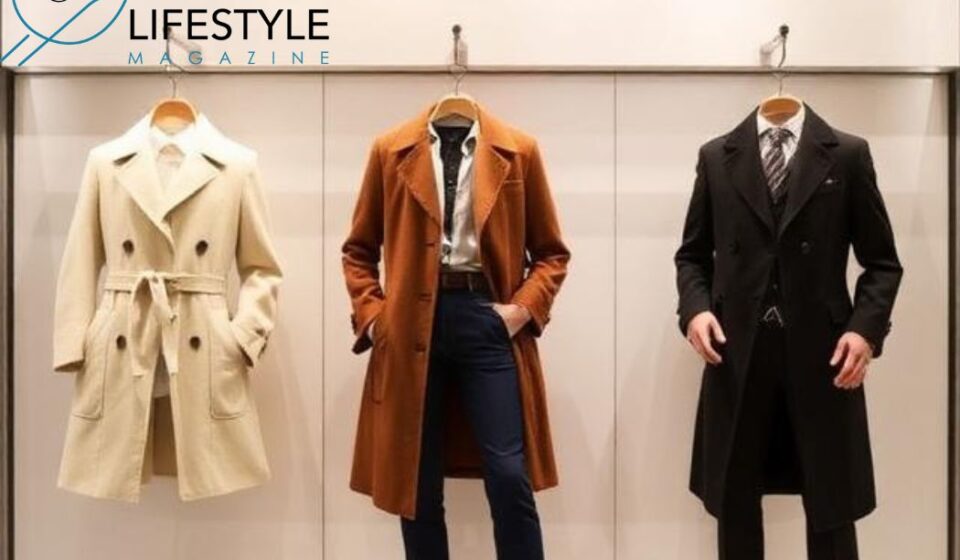
High End Italian Clothing Brands: Imagine stepping into a room. The lighting is low, the conversation a low hum. Across the room, you see a man. He isn’t loud. He isn’t wearing a flashy logo. Yet, there is an undeniable gravitas to his presence. It’s in the way his jacket sits perfectly on his shoulders—a soft, natural drape that moves with him like a second skin. The fabric catches the light in a way that screams quality, not cost. You don’t know the brand, but you know one thing for certain: the suit is Italian.
This is the power of bel modo—the beautiful way. It is the essence of high-end Italian clothing brands, a world where fashion isn’t about what’s trending, but about a timeless philosophy of craftsmanship, fabric, and fit. But with a landscape as rich and complex as a Barolo, navigating this world can be intimidating.
This isn’t a list of the usual suspects. This is an exploration into the very soul of Italian luxury, from the titans of tailoring to the artisans of quiet distinction. We are going to dissect why an Italian suit feels different, looks different, and ultimately, makes you feel different. We’ll uncover the brands that are shaping the future of menswear in 2026, all while staying rooted in centuries-old traditions. Welcome to the inner sanctum of Italian sartorial excellence.
Table of Contents
ToggleUnderstanding the DNA of Italian Craftsmanship
Before we dive into the brands, we must understand the fabric of their existence. Italian luxury wasn’t born in a boardroom; it was born in a bottega—a workshop. It is the result of a unique ecosystem where familial legacy, cutting-edge technology, and an obsessive eye for detail converge.
The Family Legacy
Unlike the conglomerates of Paris, many high-end Italian houses are still driven by family. Look at Zegna, which has passed through four generations and still beats with the heart of its founder, Ermenegildo, who planted over 500,000 trees in the Italian Alps to protect the land surrounding his wool mills. This isn’t just a business strategy; it’s a philosophy of stewardship and longevity. These families view themselves as guardians of a legacy, not just CEOs of a company.
The Vertical Integration Advantage: High End Italian Clothing Brands
The secret to the distinct feel of Italian menswear lies in control. Brands like Zegna and Paul & Shark control the entire production cycle. Zegna acquires its own merino wool farms in Australia and produces its own fabrics, which they then sell to other luxury giants like Dior and Chanel. This vertical integration allows them to obsess over every fiber and stitch, ensuring unmatched quality and innovation. This is why the fabric’s rustle and weight feel so distinct—it’s been cultivated from sheep to suit with meticulous care.
The Evolution of “Soft Tailoring”
For decades, the pinnacle of menswear was the structured, almost armor-like suit. But the modern high-end Italian aesthetic has shifted dramatically. There is now a strong preference for “soft tailoring”. This style features deconstructed, unpadded shoulders, and relaxed trousers, creating a silhouette that is elegant and effortless. It is comfortable, draped, and supremely refined—a sign of a man who has nothing to prove. This is the hallmark of a contemporary Italian suit as opposed to its stiffer British or American cousins.
The Heavyweights: Masters of Classic Tailoring
When we talk about the pinnacle of bespoke and made-to-measure, a few names stand as titans. These are the brands that dress presidents, CEOs, and the global elite.
Brioni: The Suit of Power and Passion
If you were to distill the essence of a “power suit,” it would likely be a Brioni. Since staging the first-ever men’s fashion show in 1952, Brioni has been synonymous with uncompromising luxury. Their Maestria service in Rome offers a level of customization that goes beyond mere tailoring into the realm of art. Their recent Spring 2027 collection, however, showed a fascinating evolution. While still undeniably luxurious, the house is moving toward softer lines and more relaxed silhouettes, signaling that even the masters of formality are embracing modern comfort.
The Brioni Experience: It takes a team of master artisans over 20 hours to create a Brioni suit, requiring over 500 different hand-sewn steps for a single garment.
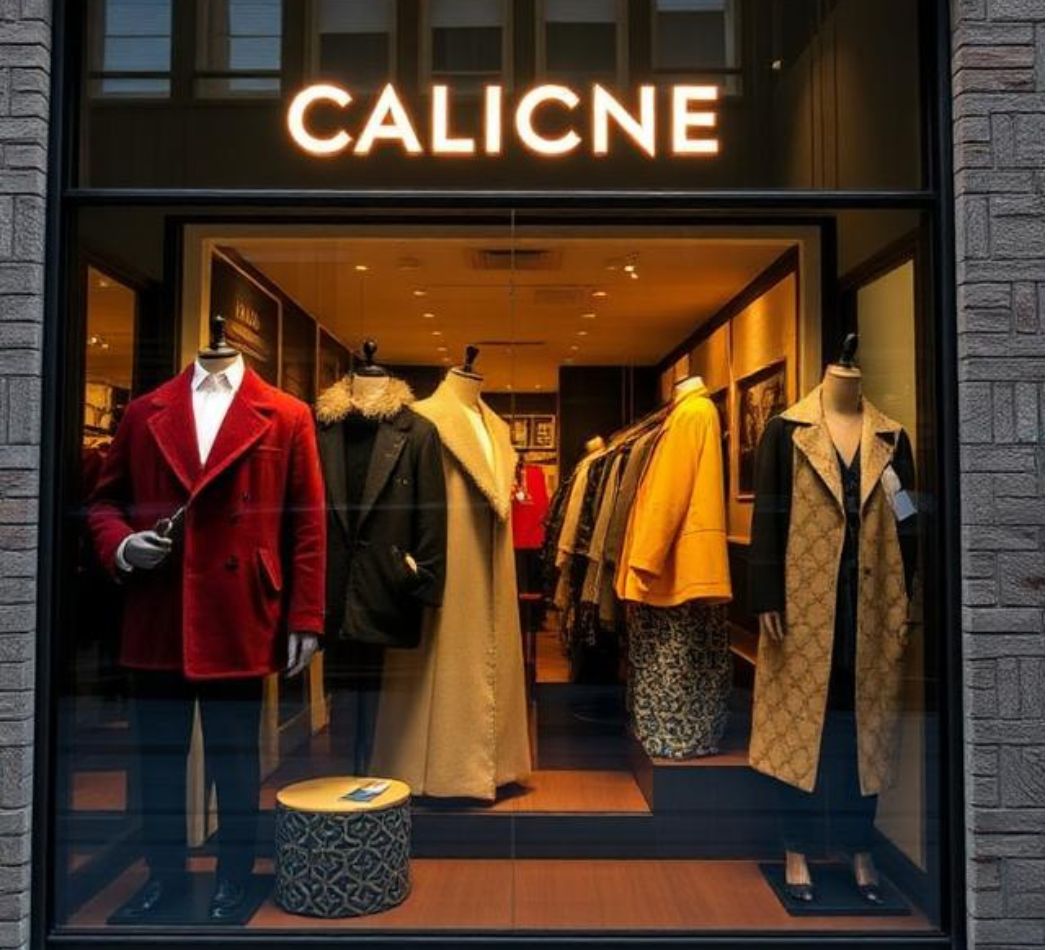 Zegna: The Architect of Modern Luxury
Zegna is more than just a brand; it is an ecosystem of luxury. With revenues approaching $2 billion, it is the world’s largest luxury men’s fashion house by turnover, acting as the ultimate purveyor of modern elegance. Under the creative direction of Alessandro Sartori, Zegna has perfectly mastered “soft tailoring.” The brand champions the “Triple Stitch” shoe and the Oasi Cashmere line, which includes a digital passport for every garment, guaranteeing traceability and sustainability. This union of heritage and high-tech forward-thinking makes Zegna the premier brand for the discerning, modern man. In 2026, Gildo Zegna has positioned the house as a multi-brand group that also owns Thom Browne and Tom Ford, creating an undeniable powerhouse that challenges French dominance.
The Artisans of Quiet Luxury: The Brands You Need to Know
Not all luxury screams. In fact, the truest luxury whispers. This segment is about the brands that have been practicing “quiet luxury” long before the term was co-opted by pop culture. This is the space for connoisseurs.
Corneliani: The Mantua Maestro
Corneliani represents a more discreet, perhaps slightly more traditional, form of Italian excellence. Founded in 1958 in Mantua, the brand is a master of creating a “light and soft” garment through extensive tailoring. Creating a single bespoke jacket involves 150 distinct processes, 548 hand-stitching steps, and 27 separate handcrafted stages. This is a brand that celebrates the sheer physicality of the craft. Their 2025 Fall/Winter collection was titled “GET CLOSER,” emphasizing a connection to material and silhouette.
Fedeli & The Slowear Philosophy: Cultivating a Wardrobe
This is where we see the “capsule” approach to luxury. The Slowear group (Incotex, Zanone, Montedoro, Glanshirt) has built a philosophy around buying less but buying better, creating a wardrobe of timeless staples. Zanone’s proprietary “IceCotton” is a perfect example of this quiet innovation—it’s a fabric that is strong, breathable, and wrinkle-resistant while retaining the lightness of cotton.
Key Takeaway: These brands don’t chase seasons; they create seasons. Their garments are designed to be worn for decades, not just for one fashion cycle. This is investment dressing at its most literal.
The New Guard and the Future of Italian Design: High End Italian Clothing Brands
While heritage is the backbone, Italian fashion is also dynamic and ever-changing. The future lies in brands that bring new, fresh perspectives.
Lessico Familiare: The Poetic Upcyclers
This “merry band of four” designers represents the avant-garde future of Italian luxury. They don’t just design clothes; they tell stories. Their collection for Spring 2025, Abecedario, drew inspiration from the alphabet, using upcycled and found materials to create one-of-a-kind garments. This focus on sustainability, combined with high-concept art, is redefining what “luxury” means to Generation Z.
The Attico: From Dressing Gowns to Global Phenomenon
Founded in 2016 by Gilda Ambrosio and Giorgia Tordini, The Attico (meaning “penthouse”) started with luxury dressing gowns and evening wear. Since then, they have been worn by everyone from Beyoncé to Dua Lipa. Acquired in part by Remo Ruffini’s family holding, the brand is a case study in how high-end design and modern business can fuse to create an instant classic.
Pros, Cons, and a Balanced Analysis: High End Italian Clothing Brands
| Pros | Cons |
|---|---|
| Unrivaled Quality: The attention to detail and materials is unmatched. | High Cost: This is an investment. The upfront cost is significantly higher than fast fashion or mid-tier brands. |
| Timeless Style: These are “forever” garments that don’t date. | Accessibility: Fewer retail locations and higher prices make it less accessible. |
| Sustainability: Garments last decades, reducing waste. Vertical integration often means more ethical production. | Maintenance: Fine fabrics require specialized care (dry cleaning, proper storage). |
| Confidence: There is an intangible feeling of self-assurance that comes from a perfectly fitting garment. | Lead Times: Bespoke and some made-to-measure require weeks or months of patience. |
Actionable Tips for Navigating High-End Italian Menswear: High End Italian Clothing Brands
If you’re ready to dip your toes into this world, here is a strategic guide:
-
Start With the Fabric: Italian luxury is about feel. Touch the material. Look at the label. Learn to recognize high-quality wool, cashmere, and linen.
-
Embrace “Quiet Luxury”: Avoid loud logos. Look for brands that use the cut and fabric as their signature. If you have to ask if it’s expensive, it’s already done its job.
-
Consider Made-to-Measure: Don’t just buy off the rack. Many of these brands offer made-to-measure services that adjust the fit to your specific body type. A 1,500-euro made-to-measure suit will often look better than a 5,000-euro off-the-peg suit.
-
Look for Vertical Integration: This is a sign of quality. If a brand makes its own fabric (like Zegna), you are getting a superior product.
-
Visit Independent Boutiques: While giant flagship stores are impressive, the true discovery happens in smaller, curated boutiques that stock specialists like Fedeli, Aspesi, or Barena.
Conclusion: The Italian Renaissance Continues
The world of high-end Italian clothing brands is at a fascinating crossroads. The traditional powerhouses are evolving to meet the demands of a casual world, while emerging designers are injecting a fresh, artistic energy into the ecosystem. The modern era is defined by a confluence of soft tailoring and hyper-sustainable practices. As fashion cycles become ever more frantic, Italian luxury stands firm on the premise that less is indeed more, and that the true mark of a gentleman is the confidence to be understated.
Ultimately, these brands are not just selling clothes; they are selling a timeless vision of taste, quality, and self-respect. Whether you are a beginner looking to build a capsule wardrobe or a seasoned collector, the Italian masters offer a path to a more refined and intentional style.
Key Takeaways: High End Italian Clothing Brands
-
Fabric First: The secret to Italian luxury is the obsessive focus on raw materials, from Zegna’s sheep farms to Loro Piana’s vicuña.
-
The Rise of “Soft Tailoring”: Deconstructed, unpadded shoulders are the hallmark of modern Italian elegance.
-
Look Beyond the Logo: The most influential brands in 2026, like Corneliani and Fedeli, rely on craft and “quiet luxury” rather than flashy branding.
-
Heritage and Future: Family legacy is still the beating heart of the industry, but new designers are challenging the status quo with sustainability and conceptual art.
 Detailed FAQs About High End Italian Clothing Brands
1. What is the difference between Italian, British, and American suits?
Italian suits (especially those from the Neapolitan tradition) are known for their soft, unpadded shoulders and lightweight construction. British suits are typically more structured with a defined waist, while American suits (like the “sack suit”) offer a more relaxed, looser fit.
2. Why are Italian luxury brands so expensive?
The cost is driven by the quality of the raw materials (like cashmere and merino wool), the vertical integration of the supply chain (brands often own the farms and factories), and the extensive manual labor involved in tailoring (e.g., hand-stitching steps) . You aren’t just paying for a name; you’re paying for decades of expertise and meticulous craftsmanship.
3. Are these brands sustainable?
Increasingly, yes. The emphasis on longevity and “buying less, buying better” is inherently more sustainable. Furthermore, brands like Zegna are providing “digital passports” for every garment to guarantee traceability and ethical production, and brands like Lessico Familiare are pioneering the use of upcycled materials.
4. Who are the best “quiet luxury” brands in Italy?
While Loro Piana and Brunello Cucinelli are the most well-known, this list is dominated by specialists like Fedeli (knitwear), Aspesi (functional ready-to-wear), Barena Venezia (workwear-inspired tailoring), and Corneliani.
5. Is Gucci considered a “high-end Italian brand”?
Yes, Gucci is certainly a high-end luxury brand and is a cultural force. However, within the context of sartorial menswear, it is often more aligned with “fashion” and trends. This article focuses on “clothing” brands that emphasize the craft, fit, and timeless nature of the garment, whereas Gucci is a major fashion house.
Sources
Based on a synthesis of industry analysis and historical data:
-
Corneliani. Baidu Encyclopedia.
-
Paul & Shark. Baidu Encyclopedia.
-
Brioni Spring 2027 Menswear Collection. Vogue.
-
Zegna: From Alpine Wool to Wall Street, Weaving the Future of Luxury. Modaes.
-
After Armani, Italian Fashion Houses Are in Flux. Asharq Al-Awsat.
-
The roots of Italian quiet luxury, from Aspesi to Fedeli and Barena. South China Morning Post.
-
Italian label MP Massimo Piombo changes name to Carlo Piombo. FashionNetwork.
-
Amen to Reveal First Collection Under New Creative Director Valentina Nervi at Riyadh Fashion Week. WWD.
-
In Milan, Lessico Familiare Reads the Room With an Alphabet-Inspired Installation. Vogue.
-
The Attico – Wikipedia.

admin
M Umer Abbasi is a luxury lifestyle journalist and editorial curator specializing in haute horology, passion investments, and avant-garde design. With an eye for flawless craftsmanship and heritage storytelling, he deconstructs the world of high-ticket assets—from secondary watch market trends to the evolution of bespoke tailoring. His work focuses on shifting the luxury narrative away from fleeting trends and toward timeless design, raw materials, and true artisanship. When he isn’t dissecting mechanical complications or reviewing five-star sanctuaries, he tracks blue-chip alternative asset indices. Connect with him via cbdfame@gmail.com