
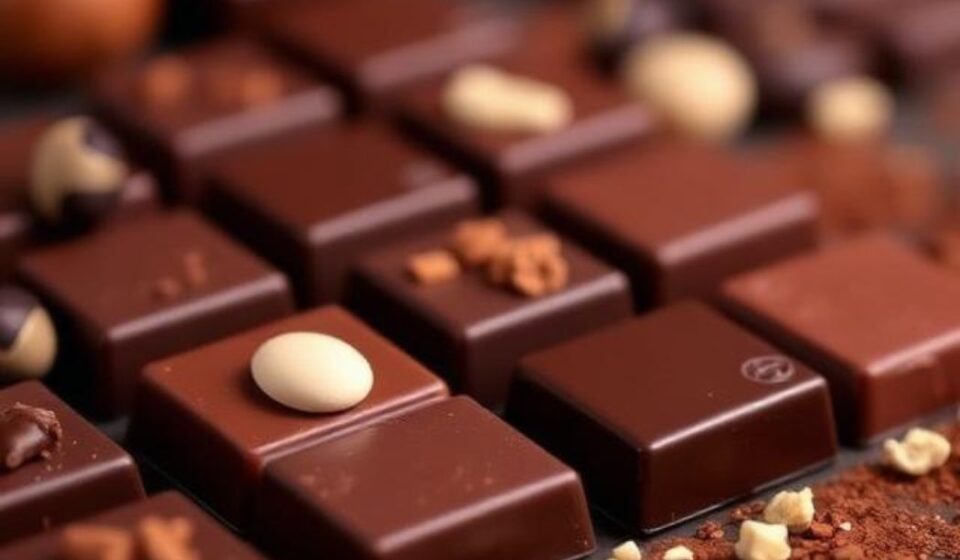
Luxury Chocolates: We’ve all been there. You’re at a dinner party, and the host brings out a sleek, minimalist box tied with a silk ribbon. You politely take a piece, expecting the familiar, sugary comfort of your average chocolate bar. But as it melts on your tongue, a symphony of flavors erupts—a burst of bright red berries, a whisper of warm tobacco, a lingering finish of roasted nuts. This isn’t just a snack; it’s an experience.
This is the gateway to the world of luxury chocolates. It’s a universe where cacao is treated with the same reverence as fine wine, where the terroir of a bean influences its taste as much as a vineyard’s soil affects a grape. But what exactly elevates a chocolate to “luxury” status? Is it merely the price tag, or is there something deeper, more profound, at play? In this guide, we’ll unravel the mysteries behind premium chocolate, exploring its artisanal craftsmanship, ethical complexities, and the sensory revolution happening right now.
Table of Contents
ToggleBackground/Context: From Ancient Currency to Modern Indulgence
To understand luxury chocolates, we must first appreciate its origins. The journey begins with the Theobroma cacao tree—its name fittingly translates to “food of the gods.” For centuries, the ancient Mesoamericans consumed cacao not as a sweet treat but as a bitter, frothy beverage used in sacred rituals and as a form of currency. It was a symbol of status and power.
It wasn’t until the Industrial Revolution that chocolate became the mass-produced, accessible treat we know today. This democratization was a marvel of engineering, but it often came at a cost: the loss of the bean’s inherent complexity. The focus shifted to consistency, shelf-life, and an over-reliance on sugar and milk to mask the variable quality of bulk cacao.
The modern luxury chocolates movement is a deliberate rebellion against this industrial approach. It seeks to reclaim chocolate’s noble heritage, emphasizing quality over quantity. This “bean-to-bar” ethos champions direct trade, artisan production, and the celebration of the bean’s unique flavor profile. It’s a movement that connects the consumer not just to a product, but to a place, a person, and a passion.
Main In-Depth Sections
The Alchemy of Bean-to-Bar: A Journey from Plant to Palate
The most significant differentiator between luxury and mass-market chocolate is the commitment to the bean-to-bar process. This is not just a marketing buzzword; it’s a philosophy that controls every step of the chocolate’s creation.
Sourcing and Terroir
Just as a sommelier can identify the region of a wine, a discerning chocolatier can taste the origin of a cacao bean. The concept of terroir—the environmental conditions, soil, and climate—is crucial. A bean from Madagascar will have bright, fruity acidity, while one from Ecuador’s Hacienda El Carmen boasts floral, jasmine notes. Luxury chocolatiers are on a perpetual quest for single-origin beans, often forging direct relationships with farmers to secure these prized harvests and promote sustainable farming.
Roasting and Grinding: Luxury Chocolates
This is where the magic happens. The roasting profile is a secret formula for each chocolatier, designed to unlock the bean’s specific genetic potential. A too-light roast can leave the chocolate acidic, while a heavy roast can burn away the delicate nuances. Following roasting, the nibs are ground into a paste known as chocolate liquor. This is where the “conching” machine takes over—a process that can last anywhere from a few hours to several days. Extended conching develops the chocolate’s smooth, melt-in-your-mouth texture and mellows out any remaining bitterness.
Quality Ingredients: The Bare Minimum vs. The Best
Luxury chocolates is defined by what it includes, and crucially, what it leaves out.
The Cocoa Butter Fat
The fat content in premium chocolate is significantly higher, primarily from cocoa butter, which is the expensive fat derived from the cacao bean. This gives luxury chocolates its signature snap and creamy mouthfeel. In contrast, mass-market chocolates often replace cocoa butter with cheaper vegetable oils to cut costs, resulting in a waxy, less satisfying texture.
The Sugar and Flavorings: Luxury Chocolates
Luxury chocolates use unrefined, high-quality sugars like cane sugar or coconut sugar, which allow the cacao’s flavor to shine through. Conversely, they avoid artificial flavors, preservatives, or soybean lecithin (a cheap emulsifier). The goal is purity of taste. Common additions in the luxury space are not artificial flavorings but natural inclusions—think fleur de sel, whole hazelnuts, or organic vanilla—all chosen to complement, not mask, the chocolate.
The Ethical and Sustainable Shift: More Than Just a Pretty Box
The sheen of modern luxury is inseparable from its ethical footprint. Discerning consumers increasingly demand to know that their indulgence isn’t built on exploitation. This is where “direct trade” comes in. It’s a step beyond fair trade, creating a direct partnership between chocolatiers and farmers. This ensures farmers receive a premium well above market price, enabling them to invest in their land, education, and community.
This is more than altruism; it’s a risk management strategy for quality. A well-treated farmer with a secure income is more likely to invest in proper fermentation and drying techniques, which are critical for quality. This creates a virtuous cycle: better farming leads to better beans, which leads to better chocolate, which commands a higher price for everyone involved.
Decoding the Flavor Profiles: A New Vocabulary for Your Palate
Tasting luxury chocolates is an exercise in sensory perception. It requires a new language. Start by holding the chocolate to your nose. What do you smell? You should be able to detect a variety of aromas. The “flavor wheel” is a helpful tool, categorizing notes into families:
-
Fruity & Floral: Notes of red berries, citrus, jasmine, or roses are common in beans from Madagascar or Ecuador.
-
Nutty & Spicy: Hints of almonds, cinnamon, or caramel are characteristic of Venezuelan or Ghanaian beans.
-
Earthy & Woody: A deep, mushroom-like, or earthy note is often found in beans from the Dominican Republic or Java.
Practical Tips / How-to: Your First Step into Premium Chocolate
Navigating this world can be intimidating. Here are three practical steps to start your journey:
-
Start with a “Sampler Box”: Don’t commit to a single, expensive bar. Many top chocolatiers offer tasting boxes with a selection of single-origin chocolates. This is the best way to explore the spectrum of flavors and discover your personal preference.
-
Focus on Dark Chocolate: For the uninitiated, start with a dark chocolate with a 70% cacao content. This is the sweet spot where you can taste the complexity of the bean without overwhelming bitterness. It’s a perfect platform to notice the tasting notes.
-
Learn to Taste Properly: Your senses are the most important tool. Allow the chocolate to melt on your tongue, encouraging it to coat your mouth. Take small bites, allowing the temperature of your mouth to release the volatile aromatic compounds. It’s not just about the taste; it’s about the aroma as it journeys into your olfactory system. This is called “mouthfeel,” and it’s a key part of the luxury experience. The chocolate should feel smooth, not gritty.
Common Mistakes or Challenges + Solutions
Embarking on this journey isn’t always perfect. Here are pitfalls to avoid:
-
Mistake: Confusing Price with Quality. A high price tag doesn’t always guarantee a great chocolate.
-
Solution: Examine the ingredients. If the list is long or contains unfamiliar chemical names, it’s likely mass-produced. Look for transparency about origin and production.
-
Challenge: Storage is another area many get wrong.
-
Solution: Never store your luxury chocolates in the fridge. The condensation and odor absorption will ruin it. The best place is a cool, dark pantry (around 65°F). A sudden temperature change can cause a “bloom” (white streaks on the surface), which, while safe to eat, indicates the chocolate is past its prime.
-
The Barrier: Cost. Good chocolate is an investment.
-
Solution: Approach it like you would a good bottle of wine. You wouldn’t drink a vintage Bordeaux with your weekly pizza. These chocolates are for special moments, savoring, and gifting to those who appreciate it.
Pros, Cons, and Balanced Analysis
Pros: Luxury Chocolates
-
Superior Flavor: The complexity of flavor is unmatched. It’s a culinary experience, not just a sweet snack.
-
High-Quality Ingredients: You are consuming a product made with the finest, natural ingredients, with far less sugar and no artificial additives. This aligns with the clean-eating trend.
-
Ethical Consumption: Buying luxury chocolates often supports direct trade, sustainable farming, and better pay for farmers.
Cons: Luxury Chocolates
-
Cost: This is the most significant barrier. The price point can be prohibitive for daily consumption.
-
Accessibility: These brands are not always available in your local grocery store. They often require a trip to a specialty shop or an online order.
-
Snobbery: There can be a pretentious air around the topic. The goal is enjoyment, not showing off.
Balanced Analysis: Luxury Chocolates
The “con” of cost is often a reflection of the “pro” of quality. It is a premium product that requires a premium price to be sustainable and ethical. For the consumer, the key is mindset. If you view it as a luxury to be savored, similar to a fine Scotch or single-origin coffee, the cost becomes part of the value equation. It’s not an everyday purchase, but a special one.
Future Trends or Predictions: The Next Frontier in 2026 and Beyond
The luxury chocolates market is dynamic, driven by shifting consumer values and innovation.
-
The Rise of “Single-Origin” and “Single-Estate”: This trend is already happening. Chocolate connoisseurs are becoming hyper-specialized, seeking not just a country of origin but a specific farm and harvest year. This provides unprecedented traceability.
-
Rare Cacao Varietals: Chocolatiers are aggressively seeking out rare, heirloom cacao varietals. Beans like the legendary Nacional from Ecuador, which was once thought extinct, are being revived and are highly prized for their unique, floral flavor.
-
Hybrid Experiences: The line between chocolate and other “experiential” categories is blurring. We can expect more collaborations with winemakers and distilleries, where chocolate is paired with spirits or used to enhance a tasting menu.
-
Functional Luxury: The concept of “wellness chocolate” is gaining traction. We are seeing the infusion of adaptogens (like reishi or ashwagandha) into dark chocolate, marketed as a stress-relieving, health-conscious luxury. This taps into the broader wellness trend, positioning chocolate as a functional food rather than just a guilty pleasure.
Conclusion with Key Takeaways
The world of luxury chocolates is a rich tapestry woven from history, science, and art. It’s a journey from the humble cacao bean in a distant tropical forest to a meticulously crafted, ethically sourced bar in your hands. This isn’t just about satisfying a sweet tooth; it’s about appreciating an artisan’s dedication, understanding the importance of terroir, and participating in a global ecosystem.
Key Takeaways: Luxury Chocolates
-
Definition of Luxury: It’s defined by the bean-to-bar process, ethical sourcing, and superior ingredients, not just the price.
-
Sensory Experience: Tasting is an immersive experience requiring you to use your senses of sight, smell, taste, and touch.
-
Ethics Matter: Transparency and ethical sourcing are non-negotiable for true luxury consumers.
-
Start Simple: Begin with a 70% dark chocolate sampler box to develop your palate.
-
Think Future: The industry is moving toward single-estate sourcing, rare varietals, and functional wellness blends.
So, the next time you encounter a simple, elegant box of chocolates, don’t just break a piece in half. Break through the barrier of everyday eating. Let it melt, breathe, and tell its story. You’ll find that the flavor is just the beginning.
Detailed FAQs About Luxury Chocolates
1. What exactly defines a chocolate as “luxury”?
Luxury chocolates is defined by its meticulous, artisan production. This means a focus on single-origin beans, minimal and high-quality ingredients (high cocoa butter content, pure cane sugar), a commitment to ethical sourcing, and a unique flavor profile that is developed through careful roasting and conching processes.
2. Is expensive chocolate worth the higher price tag?
Yes, provided it is made with exceptional ingredients and craftsmanship. You are paying for the quality of the raw materials, the expertise of the maker, and often a more ethical supply chain. However, not all expensive chocolate is worth the money; always check the ingredients and production transparency.
3. How should I store my luxury chocolates to keep it fresh?
The perfect storage is in a cool (around 65°F), dark, and dry place, away from strong odors. Never store it in the refrigerator, as this can cause a “sugar bloom” (white spots) and absorb unwanted flavors. It’s best enjoyed within a year of purchase.
4. What does “single-origin” mean in chocolate?
“Single-origin” means that all the cacao beans used in the chocolate come from one specific region, country, or even a single farm (single-estate). This allows the unique flavors of that specific terroir to shine through, unlike “blends” which mix beans from various origins to create a consistent, generic flavor.
5. What is the difference between “fair trade” and “direct trade” chocolate?
Fair trade is a certification system that sets minimum standards for price and labor. Direct trade is a more hands-on, direct partnership between the chocolatier and the farmer. It often results in a higher price paid to the farmer and a more transparent relationship, allowing for greater quality control and accountability. Luxury chocolatiers often favor direct trade for these reasons.
6. What is the best cacao percentage for a beginner?
For beginners, a dark chocolate with a 70% cocoa content is ideal. It has enough complexity and cacao flavor to taste the nuances without being overwhelmingly bitter or acidic. It allows you to pick up on the tasting notes more easily than a higher percentage.
7. How can I tell if a chocolate is high quality just by looking at the label?
Look for a short ingredients list that starts with “cacao beans” or “cocoa mass.” The list should be free of artificial flavors, palm oil, and other vegetable fats. The packaging should also ideally state the cacao percentage and the specific country or region of origin.
8. What are the health benefits of luxury chocolates?
High-quality dark chocolate is rich in antioxidants (flavonoids), which can help improve blood flow and lower blood pressure. It also contains minerals like magnesium and iron. The higher cocoa content means less sugar, making it a healthier option compared to milk chocolate. However, it is still a treat and should be enjoyed in moderation.
Sources and Further Reading
The information in this article is synthesized from extensive research into the confectionery industry, food science publications, and reports from leading chocolate makers. Key sources include:
-
Reports from industry analysts on the premium chocolate market (e.g., Mintel, Grand View Research)
-
Information from leading luxury chocolate brands like Amedei, Valrhona, and Domori.
-
“The True History of Chocolate” by Sophie D. Coe and Michael D. Coe.
-
Various culinary and food science journals regarding terroir and flavor chemistry.
FOR FURTHER INFORMATION, VISIT: THELUXURYLIFEMAGAZINE.COM
Tags:
luxury chocolates
admin
M Umer Abbasi is a luxury lifestyle journalist and editorial curator specializing in haute horology, passion investments, and avant-garde design. With an eye for flawless craftsmanship and heritage storytelling, he deconstructs the world of high-ticket assets—from secondary watch market trends to the evolution of bespoke tailoring. His work focuses on shifting the luxury narrative away from fleeting trends and toward timeless design, raw materials, and true artisanship. When he isn’t dissecting mechanical complications or reviewing five-star sanctuaries, he tracks blue-chip alternative asset indices. Connect with him via cbdfame@gmail.com