
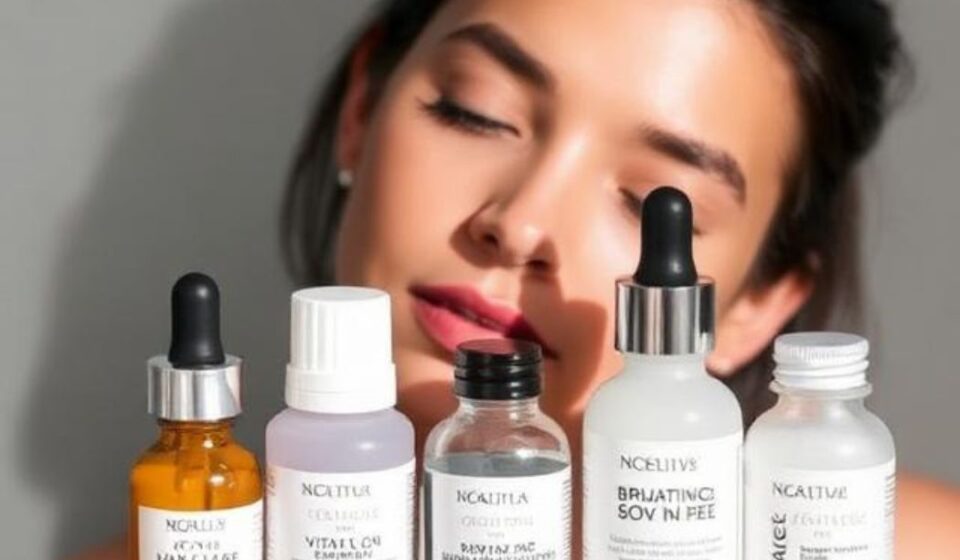
Have you ever looked in the mirror and felt your skin just looked… tired? Lacking that certain je ne sais quoi? You’re not alone. For years, I struggled with the remnants of old sun damage—a constellation of dark spots that seemed to mock my attempts at a ‘no-makeup’ look.
It was the brightening serum that turned my skin’s story around. But with a sea of products promising miraculous results, how do you separate the genuinely effective from the overhyped? This guide demystifies the brightening serum, giving you the knowledge to select the perfect one for your unique skin.
In this article, we will explore everything from the science of melanin to the future of brightening technology. Let’s embark on this journey to a clearer, more luminous complexion.
What Exactly is a Brightening Serum?
A brightening serum is a concentrated skincare formula designed to improve the appearance of skin tone and texture. Its primary goal is to tackle dullness, hyperpigmentation, and dark spots, revealing a more radiant and even complexion. Unlike a simple moisturizer, a serum is packed with high-performance active ingredients that penetrate deeper into the skin to deliver targeted results.
Think of it this way: moisturizers hydrate the surface of your skin, like a drink of water on a hot day. A brightening serum, however, is like a superfood smoothie for your skin cells, working beneath the surface to correct discoloration, boost radiance, and promote a healthier, more luminous appearance.
The Science of Dark Spots: Why We Get Them
To truly appreciate the power of a brightening serum, we must first understand the root of the problem. The culprit behind our uneven skin tone is a pigment called melanin.
The Melanin Cycle
Melanin is produced by specialized cells called melanocytes. Various factors can trigger these cells to go into overdrive, producing excess melanin that manifests as dark spots, sun spots, or melasma. The primary triggers include:
-
Sun Exposure (UV Radiation): The most significant catalyst, UV rays stimulate melanocytes to produce more pigment as a protective response.
-
Hormonal Changes: Conditions like pregnancy or the use of birth control can cause melasma, characterized by larger patches of hyperpigmentation.
-
Inflammation (Post-Inflammatory Hyperpigmentation): This occurs after skin trauma, such as acne, a cut, or even a harsh cosmetic treatment. The area overproduces melanin as it heals, leaving behind a stubborn dark mark.
A good brightening serum works by interrupting this melanin production cycle at various points, reducing the appearance of existing spots while preventing new ones from forming.
Ingredients That Actually Work: Decoding the Label
The key to unlocking your skin’s radiance lies in the ingredients. When choosing a brightening serum, look for these scientifically backed power players.
1. Vitamin C: The Brightening Powerhouse
Vitamin C is arguably the most well-known and revered brightening ingredient. It’s an antioxidant that neutralizes free radicals and, importantly, inhibits the enzyme tyrosinase, which is essential for melanin production. For best results, seek stable forms like L-ascorbic acid or tetrahexyldecyl ascorbate (THD).
2. Niacinamide: The Multi-Tasker
A form of vitamin B3, niacinamide is a gentle yet powerful ingredient. It works synergistically with other brightening agents to improve skin tone and is particularly beneficial for sensitive skin due to its soothing properties. It also helps strengthen the skin barrier.
3. Alpha Arbutin & Tranexamic Acid: The Targeted Faders
These are modern, highly effective melanin inhibitors. Alpha arbutin is a natural compound that suppresses tyrosinase activity, while tranexamic acid is a synthetic ingredient known for effectively treating stubborn hyperpigmentation, including melasma.
4. Azelaic Acid: The Acne-Prone Savior
Azelaic acid is a multi-tasking ingredient that brightens skin and treats acne, making it an excellent choice for those struggling with post-breakout marks. It is also very well-tolerated by sensitive skin.
5. AHAs and BHAs: The Exfoliators
Glycolic acid and salicylic acid are chemical exfoliants. They work by removing the dull, pigmented cells on the skin’s surface, allowing the underlying, brighter skin to come through and improving the penetration of other brightening ingredients.
Which Type of Brightening Serum is Right for You?
For Deep Hyperpigmentation (Sun Spots, Melasma)
Seek out formulas that combine multiple advanced melanin inhibitors like Tranexamic Acid and Alpha Arbutin. These ingredients are specifically designed to target deep, stubborn pigmentation. The Allies of Skin Tranexamic & Arbutin Advanced Brightening Serum is an excellent example of this approach.
For Overall Dullness and Tired Skin
If your primary concern is a lack of radiance, an antioxidant-rich formula with Vitamin C is your go-to. It provides immediate brightening and protects against future environmental damage. The Sunday Riley CEO 15% Vitamin C Brightening Serum is a highly effective choice for a radiant glow.
For Sensitive Skin
If your skin is prone to redness or irritation, ingredients like Niacinamide and Azelaic Acid are your allies. They offer brightening benefits without causing inflammation. The Cetaphil Bright Healthy Radiance Perfecting Serum is specifically formulated for sensitive skin, featuring gentle brightening technology.
For Acne-Prone Skin
A combination of exfoliation and brightening is key. Look for serums with a low percentage of Salicylic Acid (BHA) to clear pores and prevent breakouts, alongside a melanin inhibitor like Niacinamide. The Dermalogica Age Bright Clearing Serum is a two-in-one formula designed for this exact concern.
How to Add a Brightening Serum to Your Routine
AM vs. PM
-
Morning: This is an excellent time for Vitamin C serums. They provide a powerful boost of antioxidant protection against the daily barrage of free radicals, working perfectly under sunscreen.
-
Evening: This is the ideal time for retinol or exfoliating acids. However, some potent brightening serums can be used twice daily, depending on the formulation and your skin’s tolerance.
5 Steps for Success
-
Cleanse: Start with a gentle cleanser to remove dirt and oil.
-
Tone (Optional): Apply a toner to balance your skin’s pH.
-
Apply Serum: While your skin is still slightly damp, apply 1–3 drops of your brightening serum to your face and neck, gently patting it in.
-
Moisturize: Follow with a moisturizer to lock in the serum’s benefits.
-
Apply Sunscreen (AM only): This is non-negotiable. A brightening serum can make your skin more sensitive to the sun. Apply a broad-spectrum SPF 30 or higher as the final step in your morning routine.
When Will I See Results?
Patience is key. While some serums can provide an immediate ‘glow’ from hydrating ingredients, meaningful changes in pigmentation typically take 4–8 weeks of consistent use to become noticeable.
Common Mistakes to Avoid
-
Skipping Sunscreen: This is the most critical mistake. Sun exposure not only reverses the benefits of your brightening serum but can also create new, darker spots.
-
Over-Exfoliating: While AHAs and BHAs are effective, using too many exfoliating products alongside brightening serums can damage your skin barrier, leading to irritation and sensitivity.
-
Inconsistency: Brightening ingredients work cumulatively. Skipping days will delay or diminish your results.
-
Mixing Incompatible Ingredients: Avoid combining retinol and strong vitamin C serums (like L-ascorbic acid) in the same routine unless you know your skin can handle it, as this can lead to irritation. Use Vitamin C in the morning and retinol at night.
Pros, Cons, and a Balanced Perspective
The Pros
-
Evident Radiance: A great serum delivers a noticeable, healthy glow.
-
Even Skin Tone: It effectively reduces the look of hyperpigmentation, dark spots, and post-acne marks.
-
Preventative Protection: Antioxidants like Vitamin C provide defense against environmental damage that can cause premature aging and new spots.
-
Improved Texture: Many serums also smooth the skin’s surface and refine the look of pores.
The Cons
-
Time and Patience Required: Significant results aren’t instant; they require consistent use over several weeks to months.
-
Cost: High-quality, stable ingredients often come with a higher price tag.
-
Potential for Irritation: Active ingredients can cause a brief tingling sensation or initial dryness. It’s crucial to introduce them slowly and listen to your skin.
-
Increased Sun Sensitivity: Many brightening agents, especially vitamin C and retinol, make skin more susceptible to sun damage, making daily SPF mandatory.
Future Trends in Brightening
The world of brightening is constantly evolving. Here are some key trends to watch for in 2026 and beyond:
-
Preventative Brightening: Experts now recommend incorporating brightening serums in your 20s and 30s as a preventative measure, not just a corrective one.
-
Gentler, Stabilized Formulas: Korean skincare leads the way in creating effective Vitamin C serums that are gentler and more stable than traditional Western formulations, making them suitable for sensitive skin types.
-
Advanced Delivery Systems: We are seeing a rise in time-release technology that ensures active ingredients are delivered gradually and effectively throughout the day, maximizing results and minimizing irritation.
-
Protection Against Blue Light: New formulations are starting to include ingredients that protect against digital pollution (blue light), a growing concern for modern skin health.
Quick Summary: Key Takeaways
-
What it is: A brightening serum is a targeted treatment for dark spots, dullness, and hyperpigmentation.
-
Best Ingredients: Look for Vitamin C, Niacinamide, Alpha Arbutin, Tranexamic Acid, and Azelaic Acid.
-
Application: Apply to clean, slightly damp skin, morning and/or night, and always follow with a moisturizer. Use SPF 30+ during the day.
-
Timeline: Be patient; you can expect to see initial improvements in 4–8 weeks of consistent use.
-
Crucial Rule: Never skip your sunscreen!
Frequently Asked Questions (FAQs)
Can a brightening serum be used every day?
Yes, most brightening serums are designed for daily use, either once or twice a day. It’s best to start by using it every other day to assess your skin’s tolerance before moving to daily application.
Does a brightening serum help with acne scars?
Absolutely. Serums containing ingredients like Vitamin C, Niacinamide, or Tranexamic Acid are highly effective at fading post-inflammatory hyperpigmentation (the dark marks left behind after a pimple heals).
What is the difference between a brightening serum and a whitening serum?
The term “whitening” is often associated with skin-lightening or bleaching and is not recommended or legally allowed in many regions. Brightening refers to restoring the skin’s natural, even-toned radiance by addressing pigmentation issues, not altering its natural color. Reputable brands only offer brightening products.
Is it safe to use a brightening serum with retinol?
It can be, but with caution. It’s generally safer to use your brightening serum (especially if it contains Vitamin C) in the morning and retinol at night. Using them together at the same time can increase the risk of irritation for many people.
Why does my skin tingle when I apply a brightening serum?
A slight tingling sensation is normal with active ingredients like Vitamin C or AHAs. This should be mild and subside quickly. If you experience a burning sensation, redness, or prolonged stinging, discontinue use immediately and wash your face.
How do I choose the best brightening serum for my skin type?
First, identify your primary concern. For overall dullness, a Vitamin C serum is great. For sensitive skin, choose a niacinamide-based formula. For stubborn dark spots, look for products with tranexamic acid or alpha arbutin. Always consider your skin’s sensitivity level when choosing.
Sources
-
iS Clinical: Provides details on the benefits and key ingredients of a hydroquinone-free brightening serum.
-
Dermstore: Offers a comprehensive list of the best brightening serums, detailing top picks, key ingredients, and skin benefits for various needs.
-
Cosmopolitan: Features insights from board-certified dermatologist Marisa Garshick, MD, on using brightening serums for prevention and treatment.
-
Cetaphil: Official product page highlighting the GentleBright Technology™ and ingredients for sensitive skin.
-
Glamour UK: Covers Korean skincare perspectives on gentler vitamin C formulations and layering advice.
-
NewBeauty: Discusses the benefits of combining Vitamin C with sunscreen and clinical study results.
FOR FURTHER INFORMATION, VISIT: THELUXURYLIFEMAGAZINE.COM