
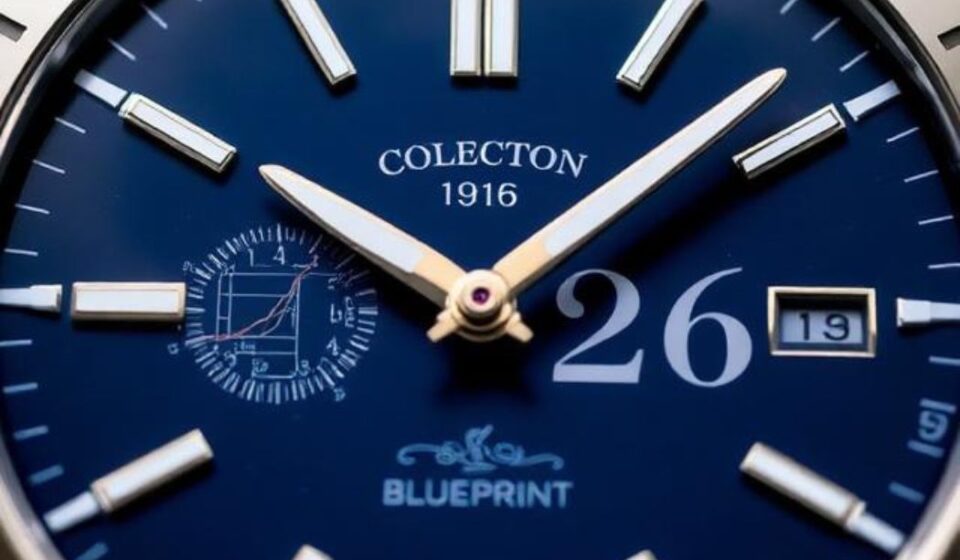
Luxury Watch Watch: Have you ever looked at your phone to check the time, only to realize you just wanted an excuse to admire the sleek, mechanical wonder on your wrist? In a world where our phones do everything, a luxury watch remains one of the few devices we choose to wear. It is a statement of personal achievement, a marvel of engineering, and a tangible link to history.
But for a newcomer, the world of luxury watches can seem intimidating—a sprawling landscape of heritage brands and technical jargon like “tourbillon” and “perpetual calendar.” This guide serves as your compass, breaking down the art of buying a luxury watch and analyzing the trends shaping the industry in 2026.
Table of Contents
ToggleThe Allure of the Heirloom on Your Wrist
You might wonder, why invest in a luxury watch in the age of smartwatches? The answer lies in a combination of emotional and tangible value.
Mechanical Artistry and Heritage
A luxury watch is a miniature mechanical sculpture. The intricate dance of springs, gears, and balance wheels is a testament to human ingenuity—a piece of kinetic art. This appreciation for craftsmanship is a primary driver for collectors. Unlike a smartphone that becomes obsolete in a few years, a well-made watch is built to last generations. It’s an heirloom, an object rich with history.
A Symbol of Identity
The watch you choose says a lot about you. Is it an elegant dress watch from Jaeger-LeCoultre, a rugged pilot’s watch from IWC, or an iconic sports watch like the Rolex Submariner? “The brand you’re drawn to will say a lot about your personality”. Your watch is a non-verbal signal of your taste, values, and style.
Financial Appreciation
While not every watch will appreciate in value, the luxury watch market has exploded into a significant alternative asset class. The global luxury watch market is projected to reach $114 billion by 2031, growing at a CAGR of over 6%. Demand for investment-grade pieces from brands like Rolex, Patek Philippe, and Audemars Piguet is at an all-time high, driven by high-net-worth individuals. Record-breaking auction sales, like the CHF 31 million Patek Philippe Grandmaster Chime, have solidified timepieces as a serious store of value.
Navigating the World of Luxury Watch Brands
Understanding the brand landscape is crucial. The industry is a pyramid, dominated by a few giants at the top.
-
The Market Dominators: In 2026, the market is increasingly concentrated. Just four brands—Rolex, Cartier, Audemars Piguet, and Omega—command a staggering 55% of the market share. Rolex, Patek Philippe, Audemars Piguet, and Richard Mille alone account for nearly half of the industry’s total market share.
-
The “Holy Trinity”: For many collectors, the pinnacle is the “Holy Trinity” of Swiss watchmaking: Audemars Piguet, Patek Philippe, and Vacheron Constantin. These brands justify their price tags with unmatched history, heritage, and hand-finishing.
-
Patek Philippe: Known for the iconic Nautilus and highly complex Grand Complications.
-
Audemars Piguet: Famous for the groundbreaking Royal Oak, designed by the legendary Gérald Genta.
-
Vacheron Constantin: The oldest continuously operating watchmaker, renowned for its mastery of complications and impeccable finishing.
-
Independent Powerhouses: There’s a growing appetite for independent brands, which are carving out strong positions and reinforcing their relevance.
-
A. Lange & Sӧhne: This German brand rivals the Swiss with some of the best hand-finishing in the industry.
-
F.P. Journe: Known for its innovative movements and exceptional value retention.
-
MB&F: A brand that breaks all conventions, creating futuristic, “science-fiction” machines.
2026 Trends: What’s Shaping the Current Landscape
The luxury watch industry is in a state of dynamic evolution. The “Horological Outlook 2026” report by Harrods identifies three key trends defining the year.
1. The Rise of Advanced Case Materials
As gold prices continue to climb, brands are accelerating their use of high-tech materials like ceramics, titanium, and proprietary alloys such as Ceratanium. These materials offer lightweight durability and unique aesthetics. For instance, tantalum—a dense, corrosion-resistant metal with a 3,000°C melting point—is making appearances in high-end models like the H. Moser & Cie. Endeavour Perpetual Calendar. While 18k gold remains essential for statement pieces, the shift to advanced materials represents a move toward purposeful innovation.
2. Dial Artistry: The Return of Expression
The dial is the primary area for creative expression. We are seeing a resurgence of hard-stone dials (lapis, malachite, tiger’s eye) and vibrant lacquer finishes, bringing natural texture and individuality to each piece. The industry is also witnessing a renewed focus on métiers d’art, including guilloché, enamel work, hammered gold, and micro-engraving, showcasing the highest levels of craftsmanship. Brands like Piaget are leading this charge with pieces like the Swinging Pebble, which uses organic-shaped pietersite and tiger’s-eye.
3. A New Era of Elegance
The industry is moving away from the oversized “dinner plate” watches of the past decade. We are seeing a shift towards smaller, more refined case sizes, driven in part by the rise of the female watch collector and a broader preference for timeless design. The success of models like the Cartier Baignoire on a rigid gold bangle is a prime example. It embodies the key trends: a smaller case, the appeal of precious metal, and a sleek design. This cross-pollination between jewelry and watchmaking is a major growth area.
Your Guide to Buying a Luxury Watch
Buying a luxury watch is a personal and emotional journey. Here is how to navigate it effectively.
Step 1: Set a Realistic Budget
Prices for luxury watches can range from less than $1,000 to well over $1 million. Determine a budget you are comfortable with and remember that the most expensive watch is not necessarily the best for you. It is important to enjoy your purchase and wear it, rather than keeping it locked away out of fear of damage.
Step 2: Do Your Research
Investigate the brand’s reputation, history, and quality. Names like Rolex, Patek Philippe, and Audemars Piguet are top choices for a reason, but the right watch for you might be from a brand you don’t immediately recognize. Look into the movement: is it a mechanical or quartz movement? The most valued luxury watches feature proprietary in-house movements.
Step 3: Try Before You Buy
Consider the size, weight, and feel of the watch on your wrist. A 40mm TAG Heuer will fit differently from a 40mm Omega, so it’s essential to try it on. Does it feel substantial and well-proportioned? The case should feel solid and be made of quality metal.
Step 4: Prioritize What Matters
Think about what features matter to you. In watches, “complications” are special features beyond basic timekeeping. Do you want a simple date display, a chronograph, or a moon phase? Decide which complications are most important and look for watches that have them.
Step 5: Consider New vs. Pre-Owned
The pre-owned market is a fantastic option for finding sought-after models at more accessible prices. Many enthusiasts see it as part of the “thrill of the chase”. Just ensure you buy from a reputable dealer and understand the potential for counterfeits, which are a major challenge in the market.
The Future of Luxury Watches (2026 and Beyond)
What does the future hold for this fascinating industry? The coming years will be defined by several forces.
-
The Power of Scarcity: The industry is becoming increasingly skewed toward a small number of brands selling a limited volume of watches at ever-rising prices. This scarcity drives desirability.
-
A New Audience: The rise of social media and celebrity endorsements is a key driver of demand. Platforms like Instagram and TikTok transform celebrity appearances and influencer posts into immediate demand signals. The expansion of multi-brand luxury retail also helps cater to a broader spectrum of consumer preferences.
-
The Counterfeit Challenge: The proliferation of high-quality counterfeit products remains a major restraint. Brands are fighting back with digital certificates, micro-engraving, and hologram rehauts to protect authenticity.
-
Blurring the Lines: The convergence of jewelry and watchmaking, as seen with the popularity of bangle watches, will continue to be a major growth engine. Younger buyers are demanding designs that blur the line between accessory and asset, forcing brands to become more nimble and creative.
Conclusion
The allure of a luxury watch is undeniable. Whether you are drawn to the intricate movement, the rich history of a storied brand, or the potential financial investment, buying a luxury timepiece is a profound and personal experience. By following this guide, you can navigate the complexities of the market and find a watch that is not just an accessory, but a cherished companion for life.
Key Takeaways: Luxury Watch Watch
-
Understand the Motivation: Luxury watches are objects of art, symbols of identity, and can be valuable investments.
-
Know the Landscape: The market is dominated by top-tier brands like Rolex, Patek Philippe, and Audemars Piguet, but a new generation of independent makers is on the rise.
-
Trends for 2026: Look for advanced case materials, artistic and expressive dials, and a return to more elegant, refined sizing.
-
The Buying Process: Set a budget, do thorough research, try the watch on, and consider the pre-owned market.
-
Look to the Future: Watch for a continued focus on scarcity, new forms of authentication, and a move towards more jewelry-focused designs.
Frequently Asked Questions (FAQs) About Luxury Watch Watch
1. What is a “complication” in a watch?
A complication is any feature on a watch that goes beyond the simple display of hours, minutes, and seconds. Common examples include date displays, chronographs (stopwatches), moon phases, and perpetual calendars. The more complex the watch, the more intricate and valuable it is.
2. What is the difference between an automatic and a manual movement?
Both are mechanical movements. A manual movement requires the owner to wind the crown periodically to keep it running. An automatic movement (also called “self-winding”) uses a rotor that moves with the natural motion of the wearer’s wrist to wind the mainspring.
3. Which is a better investment: a new or pre-owned luxury watch?
It depends on the specific model. Many new watches depreciate the moment they leave the store, while other highly sought-after models (like some Rolex and Patek Philippe sports models) can trade at a premium on the secondary market. The pre-owned market offers greater value and choice. It is also a primary avenue for acquiring rare or discontinued models.
4. Why have smaller watches become so popular again?
For years, oversized watches were the trend. Today, the industry is shifting back to a “new era of elegance”. This is driven in part by the rise of the female watch collector and a broader appreciation for classic, timeless designs that are comfortable and wearable.
5. What are the “Holy Trinity” of watch brands?
The “Holy Trinity” is a term used to describe the three most prestigious, historic, and respected Swiss watch manufacturers. They are Audemars Piguet, Patek Philippe, and Vacheron Constantin. These brands are renowned for their incredible history, hand-finishing, and high complications.
Sources
-
GQ: The 11 Most Expensive Watch Brands in the World Right Now
-
Research and Markets: Luxury Watch Market Report 2026
-
WatchPro: Harrods Unveils ‘Horological Outlook 2026’
-
WWD: Five Trends and Details That Popped at Watches and Wonders 2026
-
Dubai Watch Week: The Shape of the Watch Industry in 2026
-
Financial Times: How bangle watches became a growth engine for brands
-
EBTH: Jewelry Buyer’s Guide: Buying a Luxury Watch
-
Greater Birmingham Chambers of Commerce: A guide to buying your first luxury watch
Tags:
Luxury Watch Watch
admin
M Umer Abbasi is a luxury lifestyle journalist and editorial curator specializing in haute horology, passion investments, and avant-garde design. With an eye for flawless craftsmanship and heritage storytelling, he deconstructs the world of high-ticket assets—from secondary watch market trends to the evolution of bespoke tailoring. His work focuses on shifting the luxury narrative away from fleeting trends and toward timeless design, raw materials, and true artisanship. When he isn’t dissecting mechanical complications or reviewing five-star sanctuaries, he tracks blue-chip alternative asset indices. Connect with him via cbdfame@gmail.com