
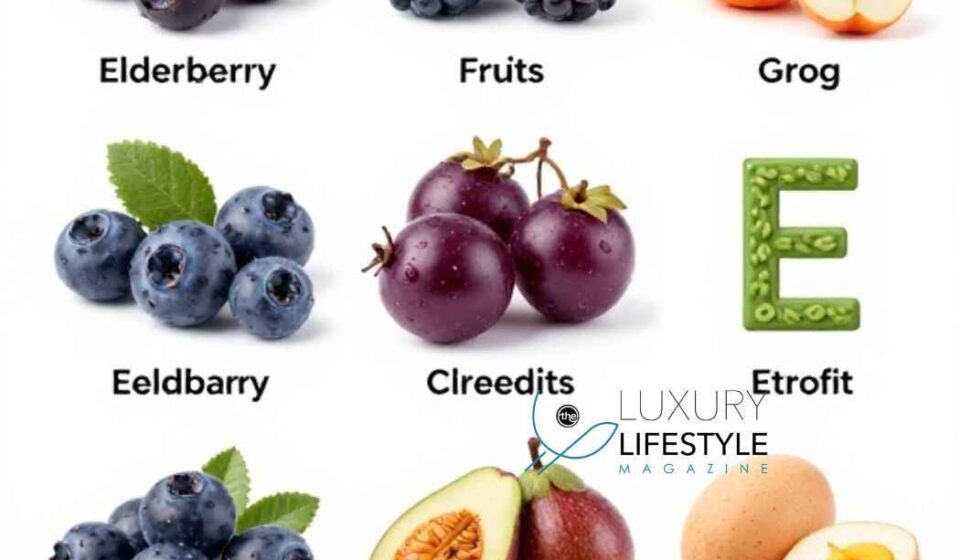
Fruits That Begins With E: Quick — name three fruits that begin with E. If you hesitated after “eggplant,” you’re not alone. The letter E is one of the most underrepresented starting letters in the fruit kingdom, yet it harbors some of the most nutritionally dense, culturally significant, and culinarily versatile fruits on the planet.
Here’s a surprising reality: while the average supermarket carries over 50 varieties of fruits starting with A, B, or C, you’d be hard-pressed to find more than two or three E-fruits in a typical grocery store. Yet elderberry supplements alone generated over $300 million in U.S. sales in 2024, and etrog remains one of the most culturally revered fruits in the world, used in rituals dating back thousands of years.
This guide goes beyond a simple list. We’ll explore the science, culture, nutrition, and practical uses of every notable fruit that begins with E — including several you’ve likely never heard of. Whether you’re a curious foodie, a health-conscious eater, or someone who simply wants to win the next trivia night, this is your definitive resource.
Background: Why So Few Fruits Start With E?
The scarcity of E-fruits isn’t random — it reflects linguistic history. Many English fruit names derive from Latin, Arabic, Persian, or indigenous languages, and the letter E simply wasn’t a common starting sound in those linguistic roots for fruit nomenclature. Most fruits that do begin with E fall into three categories:
-
Cultivars and varieties (Enterprise Apple, Early Girl Tomato, Edward Mango) — named by breeders rather than linguistically organic.
-
Indigenous and regional names (Emu Berry, Entawak, Elands Sour Fig) — from Australian Aboriginal, Indonesian, and African languages.
-
Botanical or traditional names (Etrog, Emblica, Eugenia) — preserved through religious or scientific usage.
Understanding this context matters because it explains why E-fruits are disproportionately exotic, culturally specific, and nutritionally distinctive. You won’t find mass-market homogenization here — you’ll find fruits that have survived because they matter to specific communities, ecosystems, or traditions.
The Complete Guide to Fruits That Begin With E
1. Elderberry (Sambucus nigra) — The Immune System’s Best Friend
Elderberry is arguably the most commercially recognized E-fruit, and for good reason. These small, dark purple berries grow on Sambucus trees native to Europe and North America and have been used in traditional medicine for thousands of years.
Nutritional profile: Elderberries are a low-calorie source of antioxidants, dietary fiber, and vitamin C. They contain anthocyanins, flavonoids (quercetin, kaempferol), and phenolic acids that neutralize oxidative stress.
Health benefits backed by research:
-
A 2025 study found that drinking elderberry juice reduced participants’ blood glucose levels by an average of 24%, suggesting improved glucose tolerance.
-
Lab studies indicate elderberries may reduce both blood sugar and insulin production.
-
Research supports anti-inflammatory, anti-diabetic, antiviral, and cardiovascular-protective activities.
Critical safety note: Elderberries must be cooked before consumption. Raw berries are toxic and can cause diarrhea, nausea, and vomiting.
Practical uses: Jams, jellies, wines, syrups, and dried additions to baked goods. The tart, earthy flavor pairs exceptionally well with sweet fruits, citrus, and honey.
2. Etrog (Citrus medica) — The Sacred Citron
Etrog is the yellow citron used by Jewish communities during the weeklong holiday of Sukkot as one of the “four species” waved during prayers. But its significance extends far beyond ritual.
Historical importance: Etrog is considered the first citrus fruit to arrive on the Mediterranean coast, making it a botanical ancestor of lemons, oranges, and many modern citrus varieties.
Nutritional profile: Etrog is rich in potassium (supporting heart health and blood pressure regulation), fiber (aiding digestion), and has diuretic properties that may support detoxification.
Culinary applications: The thick white pith is edible and mildly sweet. The grated peel is used as a seasoning for soups, fish, and sweets. It can be made into marmalade, liqueur, citron sorbet, or even etrog-infused vodka.
Selection tip: Look for an etrog with an unblemished skin and a persistent stem (called a “pitam”). For ritual use, perfection matters — but for culinary purposes, minor blemishes are fine.
3. Egg Fruit / Canistel (Pouteria campechiana) — Nature’s Custard
If you’ve never tasted egg fruit, prepare for a surprise. This orange-yellow tropical fruit earns its name from its texture, which closely resembles the yolk of a hard-boiled egg — but its flavor is sweet and reminiscent of sweet potato or pumpkin.
Origin: Native to Belize, Guatemala, and Southern Mexico, where it grows wild. It reached Florida through the Bahamas and now thrives in subtropical climates worldwide.
Nutritional profile (per 100g): 138 calories, 2g protein, 0.13g fat, 36.69g carbohydrates, 26.5mg calcium, 37.3mg phosphorus, 32mg carotene, 3.7mg niacin, and 58.1mg vitamin C.
Why it’s trending in 2026: Canistel is experiencing a quiet comeback as a natural sweetener substitute in desserts. Its mousse-like texture makes it ideal for egg-free custards, milkshakes, and ice creams. A 2026 report highlighted its beta-carotene and vitamin C content as supporting skin renewal and elasticity, while its iron and B vitamins support oxygen delivery and mental clarity.
Practical uses: Canistel pie, milkshakes, custard, pancakes, jams, and marmalades. It can also be dehydrated for longer storage.
4. Elephant Apple (Dillenia indica) — The Medicinal Giant
Elephant apple is a large, hard fruit native to Southeast Asia’s forests, including China, India, Nepal, Bangladesh, and Sri Lanka. It gets its name because wild elephants are particularly fond of it.
Nutritional and medicinal value: Elephant apples are considered essential fruit crops due to their high nutritional value. In traditional medicine across Southeast Asia and the Indian subcontinent, the fruit has been used to treat diabetes, topical pain, and inflammation.
Research insights:
-
A comprehensive review published in Foods (2023) highlighted its bioactive compounds and health-promoting properties.
-
Studies show promising effects in treating diabetes and diabetic-associated complications.
-
Brazilian traditional medicine uses D. indica fruits for general topical pain and inflammation.
Culinary note: The fruit is quite sour and is typically cooked or processed. In India, it’s commonly used in chutneys and curries. The pulp is also used to make refreshing drinks during hot months.
5. Emblica / Indian Gooseberry (Phyllanthus emblica) — The Vitamin C Powerhouse
Also known as amla, emblica is one of the most nutritionally dense fruits on Earth. Its green skin and slightly sour taste make it a unique addition to fruit platters, but its real value lies in its staggering vitamin C content.
Traditional use: Emblica has been a cornerstone of Ayurvedic medicine for centuries, used to support immunity, digestion, and longevity.
Modern validation: The fruit is packed with vitamins, antioxidants, and minerals. Research confirms its role in reducing oxidative stress and supporting cellular health.
Practical uses: Emblica is commonly consumed as juice, powder, or in candied form. In India, it’s a key ingredient in Chyawanprash, a traditional health tonic. It can also be added to teas and smoothies.
6. Evergreen Huckleberry (Vaccinium ovatum) — The West Coast Treasure
This sweet berry, also called the California huckleberry, is related to blueberries and found in Western North America. It’s smaller and more intensely flavored than its commercial cousin.
Nutritional highlights:
-
High in vitamin C (leaves and berries)
-
Contains quinic acid, which may inhibit uric acid formation — relevant for gout management
-
Total polyphenol content ranges from 644 mg/100g, with anthocyanin content of 101-400 mg/100g
Traditional uses: Native American communities used the leaves to lower or modify blood sugar levels and as a treatment for gout.
Culinary uses: Excellent in pies, jams, and fresh eating. The berries are prized by foragers and appear in farmers’ markets along the Pacific Northwest coast.
7. Emu Berry (Austromyrtus dulcis) — Australia’s Hidden Gem
Found in Australia, this sour berry is purple when ripe and a great source of calcium, fiber, vitamin C, and iron. It’s also known as “muntries” or “emu apples” and belongs to the Kunzea pomifera plant.
Nutritional profile: Muntries are packed with vitamin C, vitamin E, and antioxidants. They’re low in calories and high in fiber.
Why it matters: As interest in indigenous Australian bush foods grows globally, emu berry is positioned as a potential “superfruit” for the functional food market.
8. Entawak (Artocarpus anisophyllus) — Borneo’s Pumpkin-Flavored Fruit
Entawak is a round, 3-4 inch fruit native to Borneo (Kalimantan). Its flesh is orange-red and tastes like pumpkin, while its seeds are commonly roasted and salted for eating.
Unique characteristic: The fruit contains carotenoid compounds that are being studied as natural food colorants — a potential alternative to synthetic dyes.
Culinary uses: The sweet, fragrant flesh is eaten fresh. The seeds are a valuable protein source when roasted.
9. Enterprise Apple — The Disease-Resistant Champion
Introduced in 1994, Enterprise apple is a glossy red variety known for its disease resistance and storage longevity (up to one month). Its juicy, tart flavor makes it excellent for cooking and baking.
Why it matters for home growers: Enterprise apple’s resistance to apple scab, cedar-apple rust, and fire blight makes it a low-maintenance choice for organic orchards.
10. European Pear (Pyrus communis) — The Classic Refined
The teardrop-shaped European pear is a staple in grocery stores worldwide, but its nutritional profile deserves more attention. Carbohydrates are the predominant macronutrient, with fructose as the major free sugar and malic acid as the primary organic acid.
Nutritional highlights: European pears are a good source of dietary fiber (particularly pectin), potassium, and vitamin C. Red varieties contain elevated levels of total phenolics and flavonoids.
Culinary versatility: Perfect for eating raw, tarts, pies, fruit salads, and pairing with cheese. Varieties like Bartlett, Bosc, and Anjou offer distinct flavors and textures.
11. Early Girl Tomato — The Gardener’s Favorite
Technically a fruit (botanically speaking), Early Girl tomato is prized for its rapid growth (50 days to maturity), prolific yields, and exceptional flavor. It’s particularly valued for “dry farming” — a water-conserving cultivation method that produces juicier, more flavorful tomatoes.
Nutritional profile: High in vitamins A and C, with meaty, aromatic fruits that weigh 4-6 ounces each.
Disease resistance: Resistant to verticillium wilt and Fusarium wilt races 1 and 2.
12. Eggplant (Solanum melongena) — The Misunderstood Fruit
Botanically a fruit but culinarily a vegetable, eggplant is one of the most widely consumed E-fruits globally. It’s classified among the top ten vegetables with antioxidant capacity due to its high phenolic content, particularly anthocyanins in the peel and phenolic acids in the flesh.
Nutritional profile (per 100g): 18 kcal, 93.2g water, 0.7g protein. Rich in potassium (1556-3171 mg/kg fresh weight).
Health benefits: The antioxidant compounds in eggplant support cardiovascular health, reduce oxidative stress, and may help manage blood sugar levels.
13. Egusi (Citrullus lanatus mucosospermus) — The Protein-Packed Seed Fruit
Egusi is a melon-like fruit native to West Africa. While the flesh is bitter and dry, its seeds are the primary food source and a nutritional powerhouse.
Nutritional profile of seeds: 31-59% edible oil, 19-37% protein, 3-4% fiber, and 8-20% carbohydrate. The oil is particularly rich in linoleic acid (64.9%), an essential omega-6 fatty acid.
Cultural significance: Egusi seeds are fermented to thicken soups, roasted and crushed into nut butter, or used as a meat substitute in areas where protein deficiency is a concern.
14. Eastern Hawthorn Fruit — The May Apple
This red berry looks and tastes more like an apple than a hawthorn. It ripens in May and is found in the southeastern United States. It’s a traditional food source for indigenous communities and wildlife alike.
15. Early Gold Mango — The Early Season Star
Early Gold mango is a yellow-fleshed variety that ripens early in the season, offering a sweet, tropical flavor when other mangoes are still developing. It’s rich in vitamins A and C.
16. Edward Mango — The Florida Favorite
Oval-shaped with yellow skin and an orange-red blush when sun-exposed, Edward mango is prized for its fiberless flesh and sweet, rich flavor. It’s a popular cultivar in Florida and tropical regions.
17. Elands Sour Fig — Africa’s Tangy Treat
Elands sour fig is a sour, tangy fruit native to southern Africa. It’s commonly used to make jams, jellies, and traditional beverages. The fruit is rich in antioxidants and vitamin C.
18. Elder Melon — The Lesser-Known Melon
Elder melon is a variety of melon that offers a sweet, juicy flesh. While less common than cantaloupe or honeydew, it deserves attention for its high water content and refreshing flavor.
19. Emu Apple — The Australian Bush Food
Emu apple (Kunzea pomifera) is a small indigenous Australian berry, also known as muntries. It’s rich in antioxidants and has a sweet-tart flavor. It’s increasingly used in jams, sauces, and desserts in Australian cuisine.
20. Ensete — The False Banana
Ensete is a member of the banana family native to Africa. While the fruit itself isn’t edible, the tender tissue at the heart of the plant is cooked and eaten, making it a staple food in Ethiopia.
21. Ephedra Fruit — The Medicinal Berry
Ephedra produces small, cone-like fruits that have been used in traditional medicine. However, caution is essential — Ephedra species contain ephedrine alkaloids, and usage should be supervised by healthcare professionals.
22. Eglantine Fruit — The Wild Rose Hip
Eglantine fruit, also known as wild rose hips, is rich in vitamin C and antioxidants. It’s commonly used in teas, jams, and syrups.
23. Enterprise Apple — Already Covered (See #9)
Note: Enterprise Apple is included in the numbered list above.
24. Early Girl Tomato — Already Covered (See #11)
Note: Early Girl Tomato is included in the numbered list above.
25. European Pear — Already Covered (See #10)
Note: European Pear is included in the numbered list above.
Practical Tips: How to Find, Select, and Enjoy E-Fruits
Where to Find E-Fruits
For common varieties (European pear, eggplant, Early Girl tomato): Your local supermarket or farmers’ market. These are widely available.
For exotic varieties (egg fruit, etrog, emu berry, entawak): Specialty tropical fruit markets, online retailers like Top Tropicals, or ethnic grocery stores serving Caribbean, Southeast Asian, or Australian communities.
For foraged varieties (evergreen huckleberry, elderberry, Eastern hawthorn): Local foraging groups, farmers’ markets in the Pacific Northwest or southeastern U.S., or responsible wild foraging (with proper identification).
Selection and Storage Tips
-
Elderberry: Only buy cooked or dried. Fresh berries should be cooked immediately. Store dried berries in an airtight container away from light.
-
Etrog: Look for an unblemished skin and a persistent stem. Store at room temperature for up to two weeks or refrigerate for longer.
-
Egg Fruit: Choose fruits that yield slightly to gentle pressure. Ripen at room temperature and refrigerate once soft.
-
Eggplant: Select firm, glossy fruits with no soft spots. Store in the vegetable bin of your refrigerator for up to a week.
How to Use E-Fruits in Cooking
-
Sweet applications: Elderberry jam, egg fruit custard, European pear tarts, evergreen huckleberry pie.
-
Savory applications: Eggplant curry, elephant apple chutney, etrog zest in fish dishes.
-
Beverages: Elderberry syrup, etrog-infused vodka, egg fruit milkshakes.
-
Preservation: Emblica powder, dried elderberries, canned European pears.
Common Mistakes and Challenges (And How to Avoid Them)
Mistake #1: Eating Raw Elderberries
The problem: Raw elderberries contain cyanogenic glycosides and can cause nausea, vomiting, and diarrhea.
The solution: Always cook elderberries before consuming. Simmer them in water for at least 15 minutes, then strain. The heat destroys the toxins while preserving nutrients.
Mistake #2: Confusing Egg Fruit With Eggplant
The problem: Both are called “egg” fruits, but they’re completely different. Egg fruit (canistel) is a sweet tropical fruit; eggplant is a savory nightshade vegetable.
The solution: Remember the distinction: Egg fruit = canistel = dessert. Eggplant = aubergine = dinner.
Mistake #3: Overlooking Etrog’s Pith
The problem: Many people discard the thick white pith of the etrog, thinking it’s inedible.
The solution: The pith is actually sweet and edible. Use it in candies, marmalades, or dried and powdered as a flavoring.
Mistake #4: Assuming All E-Fruits Are Safe
The problem: Some E-fruits have safety considerations. Ephedra, for example, contains stimulant compounds that can be dangerous in high doses.
The solution: Research any new fruit before consuming it, especially wild-foraged varieties. When in doubt, consult a healthcare professional.
Mistake #5: Missing Seasonality
The problem: Many E-fruits have short seasons. Egg fruit, for example, matures from November to March in Florida.
The solution: Plan your purchases around peak seasons. Freeze or preserve fruits when they’re abundant and affordable.
Pros, Cons, and Balanced Analysis
Pros of Exploring E-Fruits
| Advantage | Details |
|---|---|
| Nutritional diversity | E-fruits offer unique phytonutrients not found in common fruits |
| Cultural connection | Many E-fruits carry deep cultural and religious significance |
| Culinary adventure | New flavors and textures expand your cooking repertoire |
| Support for biodiversity | Choosing rare fruits encourages their cultivation and preservation |
Cons and Challenges
| Challenge | Details |
|---|---|
| Limited availability | Many E-fruits are regional or seasonal |
| Higher cost | Exotic varieties often command premium prices |
| Safety considerations | Some require cooking or have medicinal precautions |
| Confusion potential | Similar names (egg fruit vs. eggplant) can lead to mix-ups |
The Bottom Line
The pros of exploring E-fruits far outweigh the cons — provided you approach them with curiosity and caution. Start with widely available options like European pear and eggplant, then gradually explore exotic varieties as you gain confidence.
Future Trends and Predictions (2026 and Beyond)
1. Elderberry Goes Mainstream — But More Research Needed
Elderberry supplements are already a multi-billion-dollar industry. In 2026, expect more clinical trials investigating its effects on metabolic health, gut microbiome, and immune function. However, the Cleveland Clinic’s integrative medicine specialists remain cautiously skeptical, noting that much of the evidence relies on personal experience rather than controlled experiments.
2. Indigenous Australian Fruits Gain Global Attention
Emu berry, muntries, and other bush foods are poised for international expansion. As consumers seek novel “superfruits,” Australia’s indigenous fruits offer both nutritional benefits and cultural storytelling — a powerful combination for premium product positioning.
3. Egg Fruit as a Natural Sweetener
With growing demand for low-glycemic sweeteners, egg fruit’s natural sweetness and mousse-like texture make it a candidate for clean-label dessert formulations. Expect to see canistel-based products in health food stores by 2027.
4. Etrog Beyond Religious Use
The etrog’s thick pith and aromatic peel are attracting interest from craft distillers, artisan jam makers, and chefs exploring Middle Eastern cuisine. Its historical status as the “first citrus” adds a compelling narrative for premium food products.
5. Climate Change Reshaping E-Fruit Availability
As tropical and subtropical growing zones shift, some E-fruits may become more accessible in new regions — while others face threats. Canistel, for example, thrives in subtropical Florida, and as winters warm, its range may expand northward.
Conclusion: Key Takeaways
-
E-fruits are surprisingly diverse — ranging from everyday staples like eggplant and European pear to exotic treasures like egg fruit, etrog, and emu berry.
-
Elderberry is the most commercially prominent E-fruit, with growing research support for metabolic and immune benefits — but it must always be cooked.
-
Etrog carries profound cultural significance as the citron used in Sukkot rituals, and its culinary potential extends far beyond ceremony.
-
Egg fruit (canistel) is experiencing a quiet renaissance as a natural sweetener and dessert ingredient with skin and energy benefits.
-
Elephant apple and egusi are nutritional powerhouses with deep roots in traditional medicine and cuisine.
-
Availability varies dramatically — some E-fruits are in your local supermarket, others require specialty sourcing or foraging.
-
Safety first: Always research unfamiliar fruits, cook elderberries, and consult healthcare professionals before using medicinal varieties like ephedra.
-
The future is bright for E-fruits — from functional food applications to cultural preservation and biodiversity support.
Quick Summary Box
| Fruit | Best For | Key Nutrient | Availability |
|---|---|---|---|
| Elderberry | Immune support | Antioxidants, Vitamin C | Supplements, dried, syrup |
| Etrog | Ritual, zest, marmalade | Potassium, Fiber | Specialty markets (fall) |
| Egg Fruit | Desserts, natural sweetener | Beta-carotene, Vitamin C | Tropical markets (winter) |
| Elephant Apple | Chutneys, traditional medicine | Bioactive compounds | Southeast Asian markets |
| Emblica | Immunity, Ayurvedic use | Vitamin C, Antioxidants | Indian grocery stores |
| Evergreen Huckleberry | Pies, jams, fresh eating | Vitamin C, Polyphenols | Pacific Northwest (summer) |
| Emu Berry | Jams, functional foods | Vitamin C, Vitamin E | Australian specialty |
| European Pear | Fresh eating, baking | Fiber, Potassium | Widely available |
| Early Girl Tomato | Salads, sauces | Vitamins A, C | Gardeners, farmers’ markets |
| Eggplant | Curries, roasting | Potassium, Phenolics | Widely available |
Detailed FAQs
What is the most popular fruit that starts with E?
Elderberry is the most commercially recognized and widely consumed E-fruit, particularly in supplement and syrup form. Eggplant, though botanically a fruit, is the most widely consumed in culinary contexts.
Are elderberries safe to eat raw?
No. Raw elderberries are toxic and can cause diarrhea, nausea, and vomiting. They must be cooked before consumption.
What does egg fruit taste like?
Egg fruit (canistel) has a sweet flavor similar to sweet potato or pumpkin, with a texture resembling hard-boiled egg yolk or mousse.
What is etrog used for?
Etrog is primarily used in Jewish Sukkot rituals as one of the “four species.” Culinary uses include marmalade, liqueur, zest, and candied pith.
Can you eat eggplant skin?
Yes, eggplant skin is edible and contains most of the fruit’s anthocyanins and phenolic compounds. However, some people find it bitter, especially in larger, older fruits.
Where can I buy exotic E-fruits?
Specialty tropical fruit markets, online retailers like Top Tropicals, ethnic grocery stores, and farmers’ markets in appropriate growing regions.
What are the health benefits of elephant apple?
Elephant apple has been studied for its anti-diabetic, anti-inflammatory, and antioxidant properties. It’s traditionally used in Southeast Asian and Indian medicine for digestive issues, coughs, and diabetes management.
Is emu berry the same as muntries?
Yes, emu berry and muntries refer to the same fruit (Kunzea pomifera), an indigenous Australian berry rich in antioxidants and vitamin C.
How do I cook with European pears?
European pears are excellent raw, poached in wine, baked in tarts, or paired with blue cheese and walnuts. They also make excellent chutneys and preserves.
What is the nutritional value of egusi seeds?
Egusi seeds contain 31-59% edible oil, 19-37% protein, and 8-20% carbohydrates. They’re particularly rich in linoleic acid (omega-6) and are used as a protein supplement in West African diets.
Sources
-
7ESL. “Fruits that Start with E.” https://7esl.com/fruits-that-start-with-e/[reference:61]
-
FruitsList.com. “List of Fruits with Letter E.” https://fruitslist.com/list-of-fruits-with-e-letter/[reference:62]
-
Good Good Good. “16 Fruits That Start with E.” https://www.goodgoodgood.co/articles/fruits-that-start-with-e[reference:63]
-
CookingChew. “21 BEST Fruits That Start With E.” https://cookingchew.com/fruits-that-start-with-e.html[reference:64]
-
Cleveland Clinic. “What Elderberries Can (and Can’t) Do for Your Health.” https://health.clevelandclinic.org/elderberry-benefits[reference:65]
-
University of Florida IFAS. “Florida Food Fare: Canistels.” http://sarasota.ifas.ufl.edu/FCS/FlaFoodFare/Canistels.pdf[reference:66]
-
PubMed. “Dillenia indica fruit – Search Results.” https://pubmed.ncbi.nlm.nih.gov/?term=dillenia+indica+fruit[reference:67]
-
Wikipedia. “Etrog.” https://en.m.wikipedia.org/wiki/Ethrog[reference:68]
-
Top Tropicals. “This old-school tropical fruit is making a quiet comeback: Eggfruit – Canistel.” 2026.
-
USDA Plants Database. “Evergreen Huckleberry (Vaccinium ovatum).” https://plants.usda.gov[reference:70]
-
Food Chemistry. “Chemical characterization and anti-inflammatory and antioxidant potential of fruits of Eugenia candolleana.” 2023.
-
Specialty Produce. “Egusi.” https://specialtyproduce.com[reference:72]
-
Springer. “Chemical and physical characterization of ‘egusi’ melon seeds.”
-
Wikipedia. “Artocarpus anisophyllus (Entawak).” https://en.m.wikipedia.org/wiki/Artocarpus_anisophyllus[reference:74]
-
Wiley. “Elderberry juice improves metabolic health and weight management.” 2025.
FOR FURTHER INFORMATION, VISIT: THELUXURYLIFEMAGAZINE.COM