
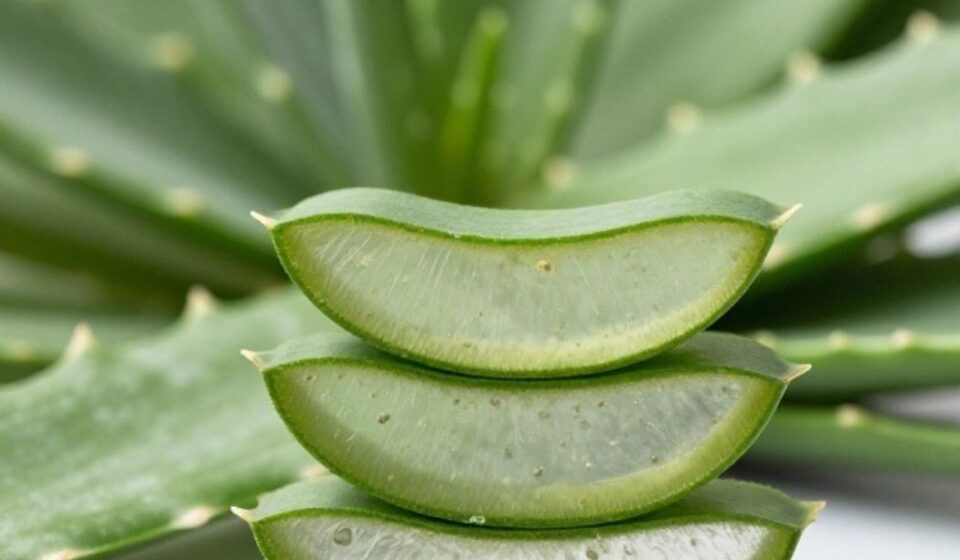
Aloe Vera for That Burn: You know the moment. The cast-iron skillet comes out of the oven, your hand grazes the edge, and within seconds, that familiar sting sets in. Instinct kicks in. Someone yells, “Put aloe on it!”—and suddenly, a leafy green plant becomes the household hero.
But here’s the uncomfortable truth most aloe articles won’t tell you: aloe vera is not a substitute for proper first aid, and using it wrong can actually delay healing or invite infection.
I’ve been there—slathering on gel from a drugstore bottle while ignoring the fact that the burn was still hot. That mistake, according to burn specialists, is one of the most common and most preventable errors people make.
So what’s the real story? Is aloe vera a legitimate burn treatment backed by science, or just a soothing placebo passed down through generations? The answer, as with most things in medicine, is nuanced. Recent high-quality research—including a 2024 meta-analysis published in the Journal of Burn Care & Research—paints a clearer picture than ever before.
In this deep dive, we’ll separate the evidence from the folklore, explore exactly when aloe helps and when it harms, and give you a practical framework for using it safely. Whether you’re a parent dealing with a toddler’s sunburn or a home cook who keeps singeing their forearms, this guide will change how you think about that little green bottle.
Background: Why Aloe Vera Became the Burn Default
Aloe vera’s reputation isn’t modern marketing hype. The plant—Aloe barbadensis Miller—has been used medicinally for thousands of years, with documented use by ancient Egyptians, Greeks, and Africans for wound healing and burn treatment. The clear gel found inside its fleshy leaves contains a cocktail of bioactive compounds: polysaccharides like acemannan, enzymes such as carboxypeptidase, vitamins, minerals, and salicylic acid.
These compounds aren’t inert. Laboratory studies suggest they can modulate inflammation, stimulate fibroblast activity (the cells responsible for collagen production), and promote tissue remodeling. In animal models, aloe vera gel has been shown to reduce post-burn vasodilation and vascular permeability—two hallmarks of acute inflammation—while accelerating wound closure.
But animal studies and test-tube chemistry don’t always translate to human outcomes. That’s where the clinical evidence gets interesting—and where most casual aloe users get lost.
What the Best Available Evidence Actually Says
The 2024 Meta-Analysis: A Turning Point
The most rigorous synthesis of human data on aloe and burns comes from a 2024 systematic review and meta-analysis that pooled nine randomized controlled trials. The findings were striking in their specificity:
-
Wound healing time: Aloe vera significantly reduced mean healing time by 3.76 days compared to other topical treatments (95% CI, −5.69 to −1.84).
-
Pain reduction: No statistically significant difference was found between aloe and control groups.
-
Infection risk: No significant difference in infection rates was observed.
The authors concluded that aloe vera expedites wound healing in second-degree burns without increasing infection risk—but the analgesic effect remains uncertain.
This is a crucial distinction. Aloe may genuinely accelerate tissue repair, but if you’re reaching for it expecting dramatic pain relief, the evidence doesn’t strongly support that expectation.
Aloe vs. Silver Sulfadiazine: A David-and-Goliath Comparison
Silver sulfadiazine (SSD) has long been a standard topical antimicrobial for burns in clinical settings. A 2024 meta-analysis comparing aloe vera gel directly against 1% SSD found that aloe was “far more beneficial” for first- and second-degree burn healing, with a mean healing time reduction of 2.73 days (95% CI −3.85 to −1.62) in favor of aloe.
That’s remarkable for a plant-based remedy going head-to-head with a pharmaceutical staple. But context matters: SSD is typically used on more significant burns where infection risk is higher, and the trials included in this analysis focused on superficial to partial-thickness burns. Aloe isn’t replacing SSD in a burn unit—but for the minor burns most people treat at home, it holds its own surprisingly well.
Where the Evidence Gets Murky
Not all research is uniformly positive. A 2007 systematic review found that aloe vera might be effective for first- to second-degree burns, but the authors noted significant heterogeneity in products and outcome measures, making firm conclusions difficult. More provocatively, some older sources suggest aloe gel may actually impair healing of second-degree burns and severe wounds in certain contexts.
The Mayo Clinic offers a measured take: putting aloe gel on first- and second-degree burns and wounds may speed healing, but there’s not enough proof to know if it helps sunburns specifically.
The takeaway: Aloe vera has real, measurable benefits for minor burns—particularly in accelerating closure time—but it is not a magic bullet, and the quality of the product matters enormously.
The Anatomy of a Burn: Why Not All Burns Are Aloe Candidates
Before you break open a leaf, you need to know what you’re actually treating. Burns are classified by depth, and aloe vera is appropriate for only a narrow slice of that spectrum.
First-Degree Burns (Superficial)
These affect only the epidermis—think classic sunburn: redness, warmth, tenderness, no blistering. Aloe vera is most appropriate here, primarily as a soothing moisturizer after proper cooling. The evidence for aloe specifically helping sunburns heal faster is weaker than for other burn types, but the cooling sensation and moisture retention are real benefits.
Second-Degree Burns (Partial-Thickness)
These extend into the dermis and involve blistering. This is where the strongest evidence for aloe’s healing acceleration exists—the 2024 meta-analysis specifically noted benefits for second-degree burns. However, and this is critical: aloe should only be applied to intact skin or unbroken blisters. If the blister has popped or the skin is weeping, aloe gel is not sterile and could introduce bacteria.
Third-Degree Burns and Beyond
These are medical emergencies. White or charred skin, numbness, or extensive blistering require immediate professional care. Aloe vera has no role here. Do not delay emergency treatment to apply gel.
The Location Rule
Even a minor burn on the face, hands, feet, genitals, or major joints deserves medical evaluation. Aloe isn’t a substitute for proper assessment when sensitive anatomy is involved.
The Practical Guide: How to Use Aloe Vera Correctly
Most aloe mistakes happen in the first five minutes after a burn. Here’s the evidence-based sequence.
Step 1: Cool the Burn First (Not Aloe)
The single most important intervention for a fresh burn is cool running water—not ice, not butter, not aloe. Cool the area under running water for 20 minutes if possible. Ice can cause further tissue damage, and oily substances can trap heat.
Step 2: Assess Before You Apply
Once cooled and gently dried, examine the burn. Is the skin intact? Is it a small, superficial area? If yes, aloe is reasonable. If there’s broken skin, extensive blistering, or the burn is on a sensitive area, skip the aloe and seek care.
Step 3: Choose the Right Product
This is where most people go wrong. Fragrance, alcohol, dyes, and preservatives in commercial aloe gels can irritate damaged skin and undermine aloe’s potential benefits. Look for:
-
Pure aloe vera gel (100% or close to it)
-
Fragrance-free and alcohol-free formulations
-
No added colorants
Fresh aloe from a plant is an option, but be aware it isn’t sterile. For minor intact burns, many people tolerate it well—but if you’re prone to allergies, test a small patch first.
Step 4: Apply Thinly and Leave It Open
A thin layer is sufficient. According to Brigham and Women’s Hospital, aloe promotes healing best in the open air—avoid covering the treated area with a bandage unless your clinician advises otherwise. Reapply as needed for comfort, but don’t over-layer.
Step 5: Monitor for Infection
Signs of infection—increasing redness, swelling, warmth, pus, or fever—mean it’s time to see a doctor. Aloe won’t fix an infected burn.
Common Mistakes and How to Avoid Them
| Mistake | Why It’s Harmful | The Fix |
|---|---|---|
| Applying aloe before cooling | Traps heat, worsens tissue damage | Cool with running water first |
| Using aloe on open/broken skin | Risk of infection; product may not be sterile | Only use on intact skin or unbroken blisters |
| Choosing scented/alcohol-based gels | Irritates damaged skin, stings | Read labels; choose pure, fragrance-free gel |
| Expecting pain relief | Evidence for analgesia is weak | Use appropriate OTC pain relievers if needed |
| Using aloe on severe burns | Delays proper medical treatment | Seek care for deep, large, or sensitive-area burns |
A personal note from experience: I once applied a drugstore aloe gel with added “cooling menthol” to a fresh steam burn. The sting was worse than the burn itself. The menthol and alcohol were doing exactly what you’d expect to damaged skin—irritating it. Now I keep a tube of pure, fragrance-free aloe in the kitchen and nothing else.
Pros, Cons, and the Balanced Truth
Pros:
-
Measurable healing acceleration for first- and second-degree burns (3–4 days faster on average)
-
Low risk profile when used correctly on intact skin
-
Accessible and affordable compared to prescription burn treatments
-
Moisturizing and cooling—genuinely soothing for sunburn discomfort
Cons:
-
Weak evidence for pain relief—don’t expect it to function as an analgesic
-
Not sterile—inappropriate for open wounds
-
Product quality varies wildly—added ingredients can cause contact dermatitis
-
May be ineffective for sunburns specifically, despite popular belief
-
Not a substitute for medical care on significant burns
The balanced take: Aloe vera is a legitimate, evidence-supported adjunct for minor burn care—not a cure, not a first-aid replacement, but a useful tool when used correctly and with realistic expectations.
Future Trends: Where Burn Care Is Heading
The aloe vera market is evolving. Data Bridge Market Research notes that aloe vera is expected to dominate the sunburn treatment segment in 2025, driven by consumer preference for natural ingredients and anti-inflammatory properties. Johnson & Johnson launched an advanced sunburn relief gel under its Neutrogena brand in January 2025, signaling that major players see continued demand for aloe-based formats.
But the more interesting trend is formulation science. A 2026 study published in Applied Biochemistry and Biotechnology described a novel “bigel” combining aloe vera with fish-derived collagen peptides and virgin coconut oil. In animal models of deep partial-thickness burns, this formulation reduced wound size to 0.3 cm by day 30, compared to 0.8 cm with a silver-based control and 1.5 cm in untreated controls. This suggests that aloe’s future may not be as a standalone remedy, but as a bioactive component in advanced wound dressings.
We’re also likely to see more standardized aloe products with verified acemannan content and clearer labeling, as researchers continue to point out that product heterogeneity is a major limitation in existing studies.
Conclusion: The Verdict on Aloe Vera
Aloe vera earned its place in the burn-care conversation through centuries of use and, more recently, through credible clinical evidence. It won’t replace silver sulfadiazine in a hospital burn unit, and it won’t numb the pain of a fresh scald. But for the everyday kitchen mishap or too-long afternoon in the sun, a pure, fragrance-free aloe gel—applied after proper cooling—can meaningfully accelerate healing and provide gentle comfort.
The key is respecting its limits. Aloe is a supportive measure, not a primary treatment. Cool first, assess honestly, choose products carefully, and never let a green gel delay real medical care.
Key Takeaways
-
Cool first, always. Running water for 20 minutes beats any topical remedy.
-
Aloe speeds healing by ~3–4 days for minor first- and second-degree burns, per 2024 meta-analyses.
-
Pain relief is not supported by strong evidence—manage expectations.
-
Pure, fragrance-free gel only on intact skin; skip scented or alcohol-based products.
-
Never use aloe on open wounds, severe burns, or sensitive areas without medical guidance.
-
Infection risk is not increased with proper use, but vigilance is essential.
Detailed FAQs
Q: Can I use aloe vera from my own plant on a burn?
Yes, for minor, intact-skin burns. Cut a mature leaf, slice it open, and apply the clear gel directly. Be aware that fresh aloe isn’t sterile—if the burn is open or blistering extensively, use a commercially prepared sterile product or consult a clinician.
Q: Does aloe vera help sunburn heal faster?
The evidence is weaker for sunburn than for other burn types. The Mayo Clinic notes there’s not enough proof to confirm aloe helps sunburns heal. It will feel cooling and moisturizing, but don’t expect dramatic acceleration.
Q: How often should I apply aloe to a burn?
Two to three times daily, or as needed for comfort, is typical. There’s no strict dosing regimen for minor burns. Stop if you notice increased redness, stinging, or irritation.
Q: Can aloe vera prevent scarring?
There’s no strong evidence that aloe prevents scarring in acute burns. It supports the healing environment, which indirectly may influence scar quality, but dedicated scar treatments (silicone sheets, massage) are more evidence-based for scar management.
Q: Is it safe to use aloe on a child’s burn?
For minor burns on intact skin, pure aloe gel is generally safe for children. However, children have more sensitive skin and a lower threshold for seeking medical care. If the burn is larger than a coin, involves the face or hands, or blisters, see a pediatrician.
Q: What about aloe supplements or juice for burns?
Oral aloe latex (the yellow sap) is not safe—it can cause kidney damage and is classified as a possible carcinogen. Topical aloe gel is the only form relevant to burn care. Do not take aloe internally for burns.
Sources: Aloe Vera for That Burn
-
Huang YN, Chen KC, Wang JH, Lin YK. Effects of Aloe vera on Burn Injuries: A Systematic Review and Meta-Analysis of Randomized Controlled Trials. Journal of Burn Care & Research. 2024;45(6):1536-1545.
-
Acibadem Health Point. Aloe Vera for Burns: Benefits, Risks and Use. 2026.
-
Mayo Clinic. Aloe. March 2025.
-
Malhotra P, Kataria N, Mandal A, et al. Efficacy of Aloe Vera Gel vs. 1% Silver Sulfadiazine in First- and Second-Degree Burn Wound Healing: A Systematic Review and Meta-Analysis. Amrita Journal of Medicine. 2024;20(3):94-102.
-
Brigham and Women’s Hospital. Aloe. September 2025.
-
Maenthaisong R, Chaiyakunapruk N, Niruntraporn S, Kongkaew C. The efficacy of aloe vera used for burn wound healing: a systematic review. Burns. 2007;33(6):713-718.
-
Reddy et al. Role of topical application of aloe vera for accelerated wound healing. Journal of Cutaneous and Aesthetic Surgery. 2024;17(3):246.
-
Somboonwong J, et al. Therapeutic effects of Aloe vera on cutaneous microcirculation and wound healing in second degree burn model in rats. Journal of the Medical Association of Thailand. 2000;83(4):417-425.
-
Data Bridge Market Research. Global Sunburn Treatment Market Report. 2025.
-
Springer. Collagen Peptide Infused Biphasic Gel Formulation for Burn Wound Management. Applied Biochemistry and Biotechnology. 2026;198:4059-4081.
FOR FURTHER INFORMATION, VISIT: THELUXURYLIFEMAGAZINE.COM