
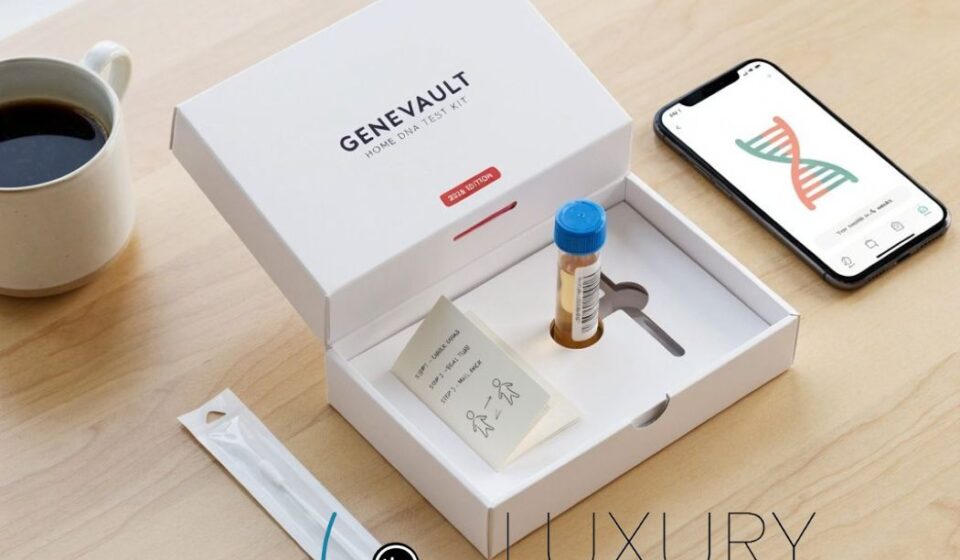
In 2017, you could spit into a plastic tube, mail it off, and two weeks later discover you were 12% Italian. It felt like magic. By 2026, over 54 million people have done exactly that—and the stakes have gotten significantly higher.
Here’s the uncomfortable truth most DNA test kit reviews won’t tell you: the industry is in the middle of a massive reckoning. 23andMe—once the darling of consumer genetics—filed for Chapter 11 bankruptcy in 2025, and its database of 15 million users was acquired for $305 million. Suddenly, your genetic data became a bankruptcy asset. State legislatures are scrambling to catch up. New laws are being enacted almost monthly.
So before you order that $79 ancestry kit, there are things you absolutely need to understand. This guide will walk you through everything: what DNA test kits actually measure, where they fail, how to protect your genetic privacy, and whether the results are worth the cost—financial, emotional, and existential.
Background: How We Got Here
The Rise of Direct-to-Consumer Genetics
Direct-to-consumer (DTC) genetic testing exploded onto the scene in the early 2010s. The promise was seductive: unlock the secrets of your ancestry, learn about health risks, and connect with long-lost relatives—all from your living room. Companies like 23andMe, AncestryDNA, and FamilyTreeDNA built massive databases by making the process ridiculously simple.
The numbers tell the story. The DNA test kit market grew from $2.49 billion in 2025 to approximately $2.98 billion in 2026, with a compound annual growth rate of nearly 20%. It’s projected to reach $5.52 billion by 2030.
But growth brought scrutiny. In 2013, the FDA ordered 23andMe to stop marketing health-related tests due to insufficient evidence of validity. The company pivoted, and by 2017, it had received authorization for genetic health risk reports covering 10 conditions. The regulatory dance between innovation and consumer protection has continued ever since.
The 23andMe Bankruptcy: A Wake-Up Call
The 23andMe bankruptcy was a watershed moment. When the company’s genetic database—containing sensitive health and ancestry data for millions—was put on the auction block, consumers suddenly realized something alarming: they never truly owned their genetic data. They had consented to testing, but few understood the long-term implications.
The database was ultimately acquired by TTAM Research Institute, a non-profit founded by former CEO Anne Wojcicki. But the damage to consumer trust was done. The episode exposed a fundamental gap in consent frameworks: what happens to your DNA when the company that holds it goes bankrupt?
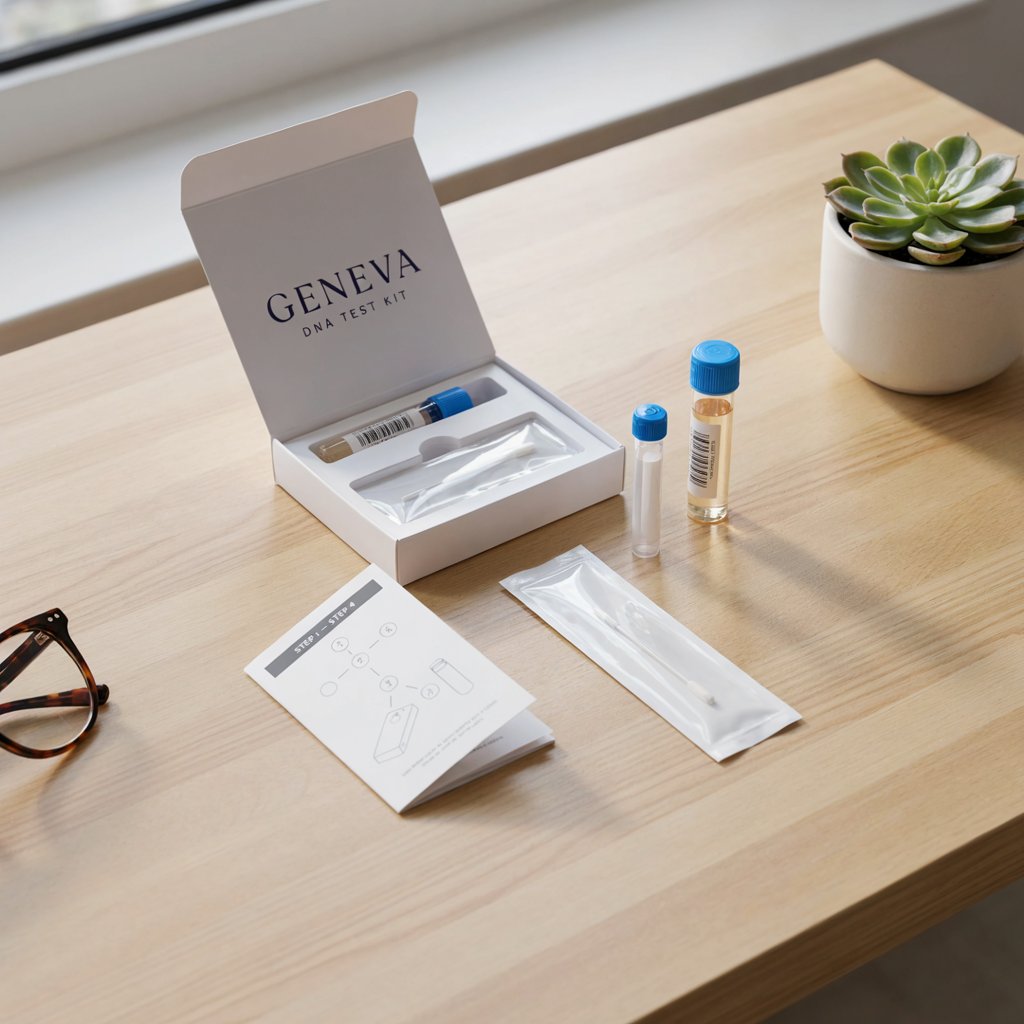 Types of DNA Test Kits: What Are You Actually Buying?
Ancestry and Genealogy Tests
These are the most popular kits. They analyze autosomal DNA (inherited from both parents) to estimate your ethnic origins and match you with genetic relatives.
Key players in 2026:
-
AncestryDNA: The market leader with a database approaching 30 million kits—larger than all competitors combined. Best for finding relatives and building family trees, particularly in English-speaking countries.
-
23andMe: Still operational after bankruptcy, with approximately 14 million users. Strong for ethnicity estimates and health reports, though its database has shrunk.
-
MyHeritage: 9.6 million kits, making it a strong choice for continental Europe.
-
FamilyTreeDNA: Smaller autosomal database (under 1.8 million) but offers specialized Y-DNA and mitochondrial DNA tests for deep lineage tracing.
What they measure: Your genetic similarity to reference populations from specific geographic regions. Results come as percentages—say, 42% Scandinavian, 28% British, 30% Iberian.
Health and Wellness Tests
These kits analyze specific genetic variants associated with disease risk, carrier status, and pharmacogenomics (how your body processes drugs).
Important limitations: Health-focused DNA test kits typically analyze a limited number of genetic markers—not entire genes. As one medical source puts it, “the health tests analyze just a handful of genetic markers and not entire genes, so results are suggestive”. A “reduced risk” result doesn’t mean you’re in the clear.
Trait and Lifestyle Tests
These assess characteristics like caffeine metabolism, sleep patterns, taste preferences, and even earwax type. They’re the “fun” category—lower stakes, higher curiosity.
Whole Genome Sequencing (WGS)
This is the premium tier. Instead of genotyping (snapshot analysis of specific markers), WGS reads your entire genetic code. As of 2026, consumer 30x whole genome tests cost between $549 and $600. Companies like Nebula Genomics and Human Longevity offer these kits, which provide vastly more data for future analysis.
The catch: More data means more complexity. Most consumers don’t know how to interpret raw genome data, and the results can generate anxiety without clinical context.
The Accuracy Question: What Your DNA Test Kit Won’t Tell You
Ethnicity Estimates: Good for Continents, Bad for Countries
Here’s the truth: ethnicity estimates are reasonably accurate at the continental level but deteriorate rapidly at finer resolutions. A test might reliably tell you that you have European ancestry, but claiming you’re “exactly 23% Irish” is overstating the science.
The reason is statistical. Ethnicity estimates rely on reference populations—people with known geographic origins. If those reference populations are predominantly European, the algorithms work well for people of European descent but poorly for others. This is a significant equity problem in genetic testing.
Health Risk Predictions: Context Matters
A DNA test kit might report that you have a “slightly increased risk” for Type 2 diabetes. Without understanding your family history, lifestyle, and other risk factors, that number is nearly meaningless in isolation. Genetics is probabilistic, not deterministic.
The American Society of Human Genetics has repeatedly emphasized that ancestry and race are not genetic constructs—they are social ones. Confusing the two can lead to poor health decisions and reinforce harmful stereotypes.
The Reference Database Problem
Your results are only as good as the database against which your DNA is compared. A company with 30 million users from diverse backgrounds will produce more nuanced results than one with 1 million users from a single region. This is why AncestryDNA dominates in the US and UK, while MyHeritage performs better in Europe.
Privacy, Data Security, and the Genetic Data You Can’t Take Back
The Consent Illusion
When you sign up for a DNA test kit, you consent to testing. But the fine print often includes clauses about data sharing, research participation, and law enforcement access. The 23andMe bankruptcy revealed that these consents may not survive corporate restructuring.
New laws are addressing this. Utah, South Dakota, Indiana, and Montana enacted genetic privacy laws in 2025–2026. The Genomic Data Protection Act (GDPA) and the “Don’t Sell My DNA Act” were introduced at the federal level in 2025. Australia went further, prohibiting life insurers from using adverse genetic test results starting April 2026.
Law Enforcement Access
One of the most controversial uses of consumer DNA databases is forensic genetic genealogy (FGG). Law enforcement agencies have used platforms like GEDmatch to solve cold cases—including the Golden State Killer case. While this has brought closure to victims’ families, it raises profound civil liberties questions.
A 2026 review by the Policing Project highlighted risks: FGG investigations can reveal sensitive family information like misattributed parentage, and errors could lead to wrongful investigations. The debate is far from settled.
Practical Privacy Protection
If you decide to test, here’s how to minimize your exposure:
-
Use a pseudonym when registering—though this may limit relative matching features.
-
Opt out of research if the company offers that choice.
-
Download your raw data and then request account deletion—but understand that “deletion” may not mean permanent erasure.
-
Avoid free upload sites like GEDmatch unless you fully understand their law enforcement policies.
-
Check the current privacy policy before testing. Companies change terms.
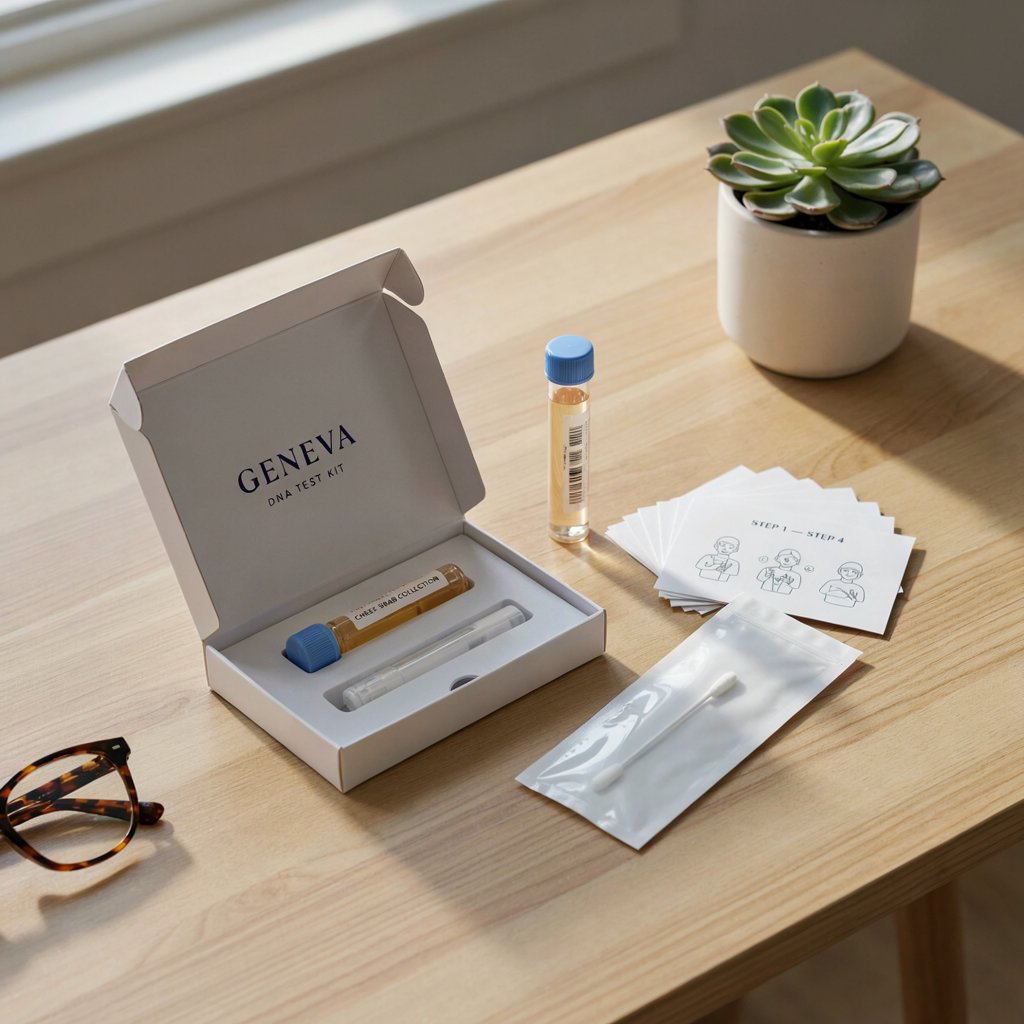 How to Choose the Right DNA Test Kit: A Practical Framework
Step 1: Define Your Goal
-
Finding relatives? Choose the company with the largest database in your region. AncestryDNA for US/UK; MyHeritage for Europe.
-
Health insights? 23andMe offers the most comprehensive native health reports, but you can also upload raw data to third-party tools.
-
Deep ancestry? FamilyTreeDNA’s Y-DNA and mtDNA tests go back further than autosomal tests.
-
Research-grade data? Whole genome sequencing from Nebula or similar providers.
Step 2: Check the Privacy Policy (Actually Read It)
Look for: clear language about data sharing, opt-out mechanisms, law enforcement policies, and what happens in bankruptcy or acquisition.
Step 3: Understand the Cost Structure
The kit price is often just the beginning. Some companies charge subscriptions for full access to family trees or advanced analysis. Budget accordingly.
Step 4: Consider the Emotional Impact
DNA tests can uncover family secrets—misattributed parentage, unknown siblings, or health risks you weren’t prepared for. Think about whether you’re ready for what you might learn.
Common Mistakes and How to Avoid Them
Mistake #1: Treating Ethnicity Results as Identity
The problem: Getting 15% “Scottish” and suddenly adopting a kilt-wearing persona.
The solution: Remember that ancestry reports are statistical estimates based on population genetics. They describe probabilities, not certainties. Your identity is shaped by culture, experience, and community—not just DNA percentages.
Mistake #2: Ignoring Privacy Implications
The problem: Clicking “I agree” without reading the terms, then discovering your data is being used in ways you didn’t anticipate.
The solution: Spend 10 minutes reading the privacy policy. Search for keywords like “third parties,” “law enforcement,” and “research.” If you can’t find clear answers, consider a different provider.
Mistake #3: Over-Interpreting Health Results
The problem: Seeing a “slightly increased risk” for a disease and panicking—or assuming you’re immune because you don’t have a risk variant.
The solution: Share health results with a genetic counselor or physician. DNA test kits provide information, not diagnoses.
Mistake #4: Testing Multiple Family Members Without Consent
The problem: Ordering a test for your spouse or child without their full understanding.
The solution: Genetic data affects entire families. Have honest conversations before testing.
Pros, Cons, and Balanced Analysis
Pros
-
Accessibility: No doctor’s visit required; results delivered digitally.
-
Discovery: Connecting with relatives and uncovering family history can be profoundly meaningful.
-
Health awareness: Can prompt conversations with healthcare providers about risk factors.
-
Cost: Basic ancestry kits start around $39–$99, making them accessible to most consumers.
Cons
-
Privacy risks: Genetic data is sensitive and permanent. Breaches, corporate changes, and law enforcement access are real concerns.
-
Limited clinical validity: Most DTC health tests are not diagnostic and shouldn’t replace medical advice.
-
Equity issues: Reference databases are skewed toward European ancestry, reducing accuracy for other populations.
-
Emotional fallout: Unexpected results can strain family relationships.
Future Trends: Where DNA Testing Is Headed
AI-Powered Interpretation
Artificial intelligence is transforming how genetic data is analyzed. Machine learning algorithms are improving variant interpretation and linking genotypes to phenotypes, enabling more actionable insights.
Whole Genome Sequencing for the Masses
As sequencing costs continue to fall, whole genome tests could become the standard. One industry analyst predicts the consumer 30x floor will settle near $200–$300 before stabilizing.
Integration with Healthcare
The line between consumer genetics and clinical care is blurring. Pharmacogenomic testing—which predicts drug responses—is moving into routine workflows. Expect to see DNA data increasingly integrated into electronic health records.
Stricter Regulation
The regulatory pendulum is swinging toward consumer protection. More states will likely follow Utah, South Dakota, and Montana in enacting genetic privacy laws. Federal action remains uncertain but increasingly likely as public pressure mounts.
Conclusion: Key Takeaways
-
DNA test kits are powerful tools, not magic. They offer genuine insights into ancestry and health, but they come with limitations and risks.
-
Privacy is the elephant in the room. The 23andMe bankruptcy showed that your genetic data can become a corporate asset. Read privacy policies and understand what you’re consenting to.
-
Ethnicity estimates are approximate. They’re good for continental-level origins, less reliable for specific countries or regions.
-
Health results require context. Never make medical decisions based solely on a DTC genetic test. Consult a healthcare provider.
-
Choose based on your goal. AncestryDNA for relative matching, 23andMe for health reports, FamilyTreeDNA for deep lineage, and whole genome sequencing for research-grade data.
-
New laws are changing the landscape. Genetic privacy protections are expanding, but they vary widely by jurisdiction. Stay informed.
 Detailed FAQs
Are DNA test kits accurate?
For continental-level ancestry, yes. For fine-scale ethnicity and health risk predictions, accuracy varies. Health tests analyze limited markers and should be interpreted with professional guidance.
Can I delete my DNA data after testing?
You can request deletion, but policies vary. Some companies retain anonymized or aggregated data. The 23andMe case showed that data may persist through bankruptcy proceedings.
Is it safe to upload my DNA to third-party sites like GEDmatch?
Exercise caution. Free upload sites often have broad terms of service and may allow law enforcement access. Read the fine print carefully.
Will my DNA test results affect my insurance?
In many jurisdictions, genetic discrimination protections exist. Australia recently enacted a ban on using adverse genetic results in life insurance decisions. In the US, GINA provides some protections but doesn’t cover all insurance types.
What’s the difference between genotyping and whole genome sequencing?
Genotyping analyzes specific genetic markers (like SNPs), while whole genome sequencing reads your entire genetic code. WGS provides more data but costs more and requires specialized interpretation.
Can DNA tests reveal my race?
No. Race is a social construct, not a biological one. DNA tests reveal genetic ancestry—where your ancestors came from—not race.
Sources
-
Research and Markets, “DNA Test Kits Market Report 2026”
-
360iResearch, “DNA Test Kits Market by Test Type, Technology, Product Type, End User – Global Forecast 2026-2032”
-
Who Do You Think You Are Magazine, “The best DNA test kits for 2026 tried and tested”
-
Lee et al., “Public concerns about direct-to-consumer DNA test kits,” New Genetics and Society, 2025
-
Nature, “Increasing the public value of genomic data: regulation, barriers and ethical benchmarks,” 2026
-
MedDeviceGuide, “Direct-to-Consumer Genetic Tests: FDA, FTC, Privacy, Clinical Validity, and Claims Control,” April 2026
-
The DNA Geek, “Database Sizes—March 2026”
-
Samaritan Health Services, “Learn the Limits of At-home Genetic Tests,” August 2026
-
The Policing Project, “Forensic Investigative Genetic Genealogy: A Civil Rights and Civil Liberties Review,” June 2026
-
ProteiniQ, “How Much Does Genome Sequencing Cost in 2026?”, July 2026
FOR FURTHER INFORMATION, VISIT: THELUXURYLIFEMAGAZINE.COM