
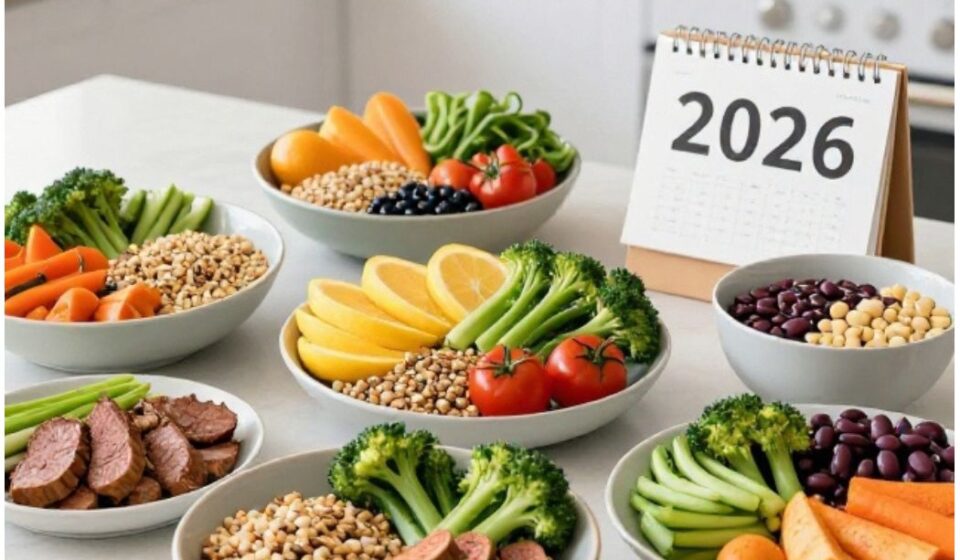
Let me guess: you’ve tried “clean eating” before. Maybe you downloaded a PDF that banned fruit after 3 p.m. Or you stood in the grocery aisle, paralyzed, because a bottle of salad dressing had an ingredient you couldn’t pronounce.
Here’s the uncomfortable truth most wellness influencers won’t tell you: “Clean eating” has no official definition. The FDA doesn’t regulate the term. A “clean” label on a snack bar is marketing, not science.
But here is what does have scientific backing: eating more whole, minimally processed foods and fewer ultra-processed ones is linked to better weight management, lower blood pressure, and reduced chronic disease risk. The 2025–2030 Dietary Guidelines for Americans explicitly encourage minimally processed whole foods while discouraging packaged snacks, sugary drinks, and frozen dinners.
So this isn’t another list of forbidden foods. This is a clean eating meal plan built for real life in 2026—flexible, budget-aware, and designed around what research actually supports. No guilt. No “detox” nonsense. Just a framework you can actually live with.
Background: How “Clean Eating” Lost the Plot (And How to Reclaim It)
The term “clean eating” emerged from the natural food movement and exploded on social media in the 2010s. It sounded virtuous. It sold cookbooks. But somewhere along the way, it morphed into a maze of arbitrary rules: no seed oils, no legumes, no gluten unless you’re celiac, no fruit after noon.
Nutrition experts have been pushing back for years. As Harvard Health noted, there’s real benefit in eating more whole foods—but not in fearing nutritious foods that happen to be processed. Milk is processed to make yogurt. Chickpeas are blended into hummus. Frozen vegetables are blanched and frozen at peak freshness.
The real villain isn’t “processing.” It’s ultra-processing—the industrial formulations engineered for hyper-palatability and shelf stability. And even within that category, the science is more nuanced than headlines suggest.
A 2026 review in BMJ Nutrition, Prevention & Health found that not all ultra-processed foods are equal. Processed meats, sugar-sweetened beverages, and margarines were consistently linked to higher diabetes and cardiometabolic risk. But whole-grain breads, breakfast cereals, and plant-based meat alternatives showed neutral or even protective associations in several cohorts.
That distinction matters enormously for your meal plan. You don’t need to eliminate everything in a package. You need to know which packages deserve a spot in your cart.
The 2026 Clean Eating Framework: What Actually Belongs on Your Plate
Forget the old pyramid. The 2025–2030 Dietary Guidelines introduced a new visual—an inverted pyramid with vegetables, fruits, protein, dairy, and healthy fats forming the broad top, and whole grains at the narrow base. It’s a conversation starter, not gospel (dietitians have already pointed out that placing whole grains below cheese is, frankly, odd).
Here’s a more practical framework. Think of it as the 80/20 Whole-Food Baseline.
The Core: Foods That Do the Heavy Lifting
Build the majority of your meals around these:
-
Vegetables and fruits (fresh, frozen, or canned with no added sugar/salt)
-
Whole grains like oats, quinoa, brown rice, barley, and whole-wheat pasta
-
Legumes: beans, lentils, chickpeas—canned is fine, just rinse them
-
Lean proteins: poultry, fish, eggs, tofu, tempeh, Greek yogurt
-
Healthy fats: olive oil, avocados, nuts, seeds
-
Adequate protein: the new guidelines raised the target to 1.2–1.6 g per kg of body weight—significantly higher than previous recommendations
The Flexible Zone: Processed but Nutritious
These are “processed” but deserve a place at your table:
-
Canned beans and frozen vegetables (budget-friendly and nutrient-dense)
-
Whole-grain bread and cereals (associated with lower diabetes risk in multiple cohorts)
-
Plain yogurt and kefir (cultured, not candy)
-
Pre-washed salads and pre-chopped produce (convenience without the ultra-processing)
The Minimal Zone: Where Ultra-Processed Foes Live
Limit these—not because they’re “dirty,” but because the evidence consistently links them to worse outcomes:
-
Processed meats (bacon, sausage, deli meat) — the strongest and most consistent signal for cardiometabolic harm
-
Sugar-sweetened beverages (soda, sweetened teas, energy drinks)
-
Margarine and industrial spreads
-
Packaged pastries and snack cakes engineered for binge-ability
The “Don’t Freak Out” Zone
Foods like white rice, regular pasta, or a slice of birthday cake won’t undo your progress. The 2025–2030 guidelines emphasize the overall pattern, not perfection. Orthorexia—an unhealthy obsession with “pure” eating—is a real risk when clean eating becomes rigid.
A Sample 7-Day Clean Eating Meal Plan (Realistic Edition)
This plan is a template, not a prescription. Adjust portions to your needs. The goal is to show what “mostly whole foods, some flexibility” looks like on a plate.
Day 1: Monday (Reset Day)
-
Breakfast: Overnight oats with rolled oats, chia seeds, plain Greek yogurt, and frozen berries
-
Lunch: Big salad with chickpeas, cucumber, tomato, feta, olive oil + lemon; whole-grain pita
-
Dinner: Baked salmon with roasted broccoli and quinoa
-
Snack: Apple + handful of walnuts
Day 2: Tuesday (Batch-Cook Benefits)
-
Breakfast: Veggie scramble (eggs, spinach, peppers) with whole-grain toast
-
Lunch: Leftover salmon flaked over greens with olive oil
-
Dinner: Black bean and sweet potato chili (make a double batch)
-
Snack: Plain yogurt with cinnamon
Day 3: Wednesday (Legume Love)
-
Breakfast: Oatmeal with banana and peanut butter
-
Lunch: Leftover chili
-
Dinner: Stir-fry with tofu, frozen stir-fry veggies, ginger, garlic, soy sauce; brown rice
-
Snack: Carrot sticks + hummus
Day 4: Thursday (Fish Twice a Week)
-
Breakfast: Greek yogurt parfait with oats and frozen berries
-
Lunch: Leftover tofu stir-fry
-
Dinner: Baked cod with roasted potatoes and green beans
-
Snack: Handful of almonds + orange
Day 5: Friday (Flexible Friday)
-
Breakfast: Whole-grain toast with avocado and egg
-
Lunch: Lentil soup (canned or homemade) + side salad
-
Dinner: Flexible meal out — choose a restaurant dish with a clear protein, vegetable, and starch. Enjoy it. No guilt.
-
Snack: Popcorn (air-popped)
Day 6: Saturday (Weekend Cooking)
-
Breakfast: Whole-grain pancakes with berries (use oats blended into flour)
-
Lunch: Leftover lentil soup
-
Dinner: Chicken thighs roasted with carrots, onions, and potatoes; side of sautéed greens
-
Snack: Piece of fruit + cheese
Day 7: Sunday (Prep for the Week)
-
Breakfast: Veggie omelet
-
Lunch: Grain bowl with leftover chicken, quinoa, roasted vegetables, and tahini dressing
-
Dinner: Pasta with homemade tomato sauce, lentils, and a side of broccoli
-
Snack: Cottage cheese with pineapple
Prep strategy: On Sunday, cook a batch of quinoa, roast a tray of vegetables, and make a pot of beans (or open two cans). That’s your insurance policy against takeout temptation on Wednesday night.
Practical Tips: How to Actually Make This Stick
The 4-Item Plate Formula
If meal planning feels overwhelming, use this simple equation: a lean protein + a whole grain + a vegetable + a healthy fat. That’s it. A grilled chicken breast, half a cup of brown rice, roasted broccoli, and a drizzle of olive oil. Done. This formula works for bowls, salads, stir-fries, and sheet-pan dinners.
Read Labels Like a Detective, Not a Judge
Ignore front-of-package claims. Flip the box. Look at two things:
-
The ingredient list: Can you recognize everything? Shorter is generally better, but not always (see: canned beans).
-
Added sugar, sodium, and saturated fat: The 2025 guidelines and dietitians consistently point here as the real metrics that matter.
The Frozen Aisle Is Your Friend
Frozen vegetables are frozen at peak freshness and retain their nutritional value. They’re cheaper than fresh, last for months, and eliminate the “I’m too tired to chop” excuse. Same goes for frozen berries and pre-chopped onions.
Cook Once, Eat Three Times
The biggest barrier to clean eating isn’t knowledge—it’s time. Home cooking is associated with reduced chronic disease risk, but you don’t need to cook every night. Roast a chicken on Sunday. Use the meat for Monday salads, Tuesday grain bowls, and Wednesday soup. Simmer the bones for broth.
Don’t Demonize Convenience
A rotisserie chicken from the supermarket, a bag of pre-washed greens, and a jar of salsa can become a ten-minute taco night. “Clean” doesn’t mean “from scratch.” It means mostly whole ingredients, assembled with minimal fuss.
Common Mistakes (And How to Fix Them)
Mistake 1: Cutting Out Entire Food Groups Without a Medical Reason
Eliminating dairy, gluten, or legumes because a podcast told you to is unnecessary for most people and can lead to nutrient gaps. Unless you have a diagnosed allergy, intolerance, or celiac disease, there’s no evidence that banning these foods improves health.
Fix: If you suspect a sensitivity, work with a registered dietitian. Don’t self-diagnose via TikTok.
Mistake 2: The Health Halo Trap
A muffin labeled “clean” or “paleo” can still have 30 grams of sugar and 400 calories. “Clean” is not a regulated term.
Fix: Judge foods by their nutrient density—what beneficial nutrients they provide per calorie—not by the marketing claims on the wrapper.
Mistake 3: All-or-Nothing Thinking
One “dirty” meal doesn’t ruin a week of good choices. The 2025–2030 guidelines explicitly say eating well is about doing the best you can with what you have—not perfection.
Fix: Adopt the 80/20 mindset. Eighty percent of your meals are built on the Core foods. Twenty percent is flexibility. A slice of pizza at a birthday party fits in the twenty.
Mistake 4: Ignoring the Budget Reality
Fresh salmon and organic produce are expensive. Clean eating shouldn’t be a class barrier.
Fix: Canned beans, frozen vegetables, eggs, oats, and canned fish (sardines, tuna) are among the most nutrient-dense, affordable foods available. Rinse canned beans to reduce sodium.
Pros, Cons, and a Balanced Reality Check
The Real Benefits (Backed by Evidence)
-
Better diet quality: More fiber, vitamins, minerals, and phytonutrients from whole foods
-
Improved cardiometabolic markers: Diets emphasizing whole foods are associated with lower blood pressure, better blood sugar control, and healthier weight
-
Reduced ultra-processed intake: The clearest win, given the consistent links between processed meats and sugary drinks and chronic disease
-
More cooking at home: Associated with lower type 2 diabetes risk
The Honest Downsides
-
Time and labor: Cooking more requires planning and effort that not everyone has
-
Cost perception: Whole foods can be pricier, though budget strategies exist
-
Orthorexia risk: Rigid “clean” rules can trigger disordered eating patterns in vulnerable people
-
Social friction: Declining every restaurant meal or potluck can strain relationships
The Balanced Verdict
Clean eating, stripped of its dogmatic baggage, is simply a whole-food-forward pattern of eating. It’s not a religion. It’s not a personality. It’s a tool. Use the parts that serve you. Discard the parts that don’t.
Future Trends: Where Clean Eating Is Headed in 2026 and Beyond
Policy Is Catching Up
California made history by signing legislation creating a first-in-the-nation “non-ultraprocessed” label for food products. This is a big deal: for the first time, a regulatory body is attempting to give consumers a standardized way to identify minimally processed foods. If the label works and gains traction, expect other states and eventually federal agencies to follow.
Meanwhile, multiple states have introduced or passed bills banning specific synthetic dyes and preservatives in school meals. The UPF conversation has moved from fringe wellness circles to statehouses.
The “UPF Subcategory” Refinement
The scientific consensus is shifting from “all ultra-processed foods are bad” to “which ones are worst?” The 2026 BMJ review is part of this movement, showing that whole-grain breads and cereals shouldn’t be lumped in with processed meats and soda. Expect future dietary guidelines and apps to reflect this nuance.
Protein’s Star Continues to Rise
The 2025–2030 guidelines’ protein target (1.2–1.6 g/kg) was a significant shift. The clean eating conversation in 2026 and beyond will increasingly focus on protein quality—not just quantity. Plant proteins (beans, lentils, tofu) offer fiber and phytonutrients alongside amino acids, and research suggests replacing some animal protein with plant protein is associated with lower all-cause mortality.
The Gut Health Connection
The new guidelines explicitly mention gut health for the first time, recommending fermented foods like kimchi, kefir, and sauerkraut, and noting that highly processed foods can disrupt the gut microbiome. Clean eating in 2026 will increasingly overlap with gut-health eating—more fiber, more ferments, fewer emulsifiers and artificial sweeteners.
Conclusion: Your Clean Eating Meal Plan Starts With One Meal
You don’t need a $200 supplement stack or a pantry purge. You need a plate that’s mostly plants, adequate protein, and recognizable ingredients—most of the time.
The clean eating meal plan that works isn’t the strictest one. It’s the one you’ll actually follow on a Wednesday night when you’re tired and hungry. Build your week around the Core foods. Leave room for the Flexible Zone. Don’t panic about the Minimal Zone. And remember that the goal is nourishment, not purity.
Key Takeaways
-
“Clean eating” has no official definition—you get to define what it means for your life
-
Prioritize whole foods (vegetables, fruits, whole grains, legumes, lean proteins, healthy fats) for the majority of meals
-
Not all processing is equal: canned beans and frozen veggies are healthy; processed meats and soda are the consistent culprits
-
Use the 4-item plate formula to eliminate decision fatigue
-
Cook more than you eat out, but embrace convenience where it helps (frozen produce, rotisserie chicken, canned beans)
-
Aim for 80/20, not 100/0—rigidity backfires
-
Watch for orthorexia: if food rules are causing anxiety or social isolation, reassess
-
Protein target is higher than you think: 1.2–1.6 g/kg body weight
Detailed FAQs
Q: Is clean eating the same as the Mediterranean diet?
Not exactly, but they overlap significantly. The Mediterranean diet is a specific, evidence-based pattern emphasizing olive oil, fish, vegetables, legumes, and whole grains. Clean eating is a broader, less defined philosophy. If you follow a Mediterranean-style clean eating plan, you’re on very solid ground.
Q: Do I have to give up dairy to eat clean?
No. Unless you have lactose intolerance or a milk allergy, unsweetened dairy (plain yogurt, milk, kefir) is nutrient-dense and fits a clean eating pattern. The 2025–2030 guidelines even allow full-fat dairy, though portion awareness matters.
Q: Are frozen vegetables “clean”?
Yes. They’re frozen at peak freshness and retain their nutritional value. They’re often cheaper and more convenient than fresh, making them a smart choice for busy people.
Q: What about canned beans? They have sodium.
Rinse them. Rinsing canned beans reduces sodium by roughly 40% and doesn’t affect the fiber or protein content. Canned beans are one of the most affordable, nutrient-dense foods available.
Q: Is “clean eating” safe for kids?
A whole-food-forward approach is safe and beneficial for children. The danger is restriction—eliminating entire food groups without medical need can compromise growth and create anxiety around food. Focus on adding good foods rather than removing “bad” ones.
Q: How long until I see results?
Most people notice improved energy and digestion within one to two weeks of eating more whole foods and fewer ultra-processed ones. Weight changes depend on many factors, but the goal is sustainable habits, not rapid results.
Q: Can I eat out and still eat clean?
Absolutely. Look for dishes with a clear protein, vegetable, and starch. Ask for sauces on the side. Choose grilled over fried. And enjoy the meal—stress about food is worse for your health than a restaurant meal.
Sources
-
Everyday Health. “Clean Eating: What Does It Really Mean?” January 2026.
-
UT Southwestern Medical Center. “What do the new Dietary Guidelines for Americans mean for you?” March 2026.
-
BMJ Nutrition, Prevention & Health. “Not all ultra-processed foods are created equal: a review.” January 2026.
-
Office of Governor Gavin Newsom. “Governor Newsom signs legislation creating non-UPF label.” September 2026.
-
Harvard Health. “Clean eating: The good and the bad.” November 2020.
-
Health.com. “What Does ‘Clean Eating’ Actually Mean?” August 2026.
-
MedlinePlus. “Dietary Guidelines for Americans 2025–2030.” September 2026.
-
ASTHO. “Policy Trends Shaping Healthy Food & Chronic Disease in 2026.” December 2025.
-
WellTuned by BCBST. “What does ‘clean eating’ mean?” September 2026.
-
Natalie Ledesma, MS, RDN. “Dietary Guidelines for Americans, 2025-2030.” January 2026.
-
ScienceDirect. “Ultra-processed foods and cardiovascular health risks.” May 2026.
FOR FURTHER INFORMATION, VISIT: THELUXURYLIFEMAGAZINE.COM