
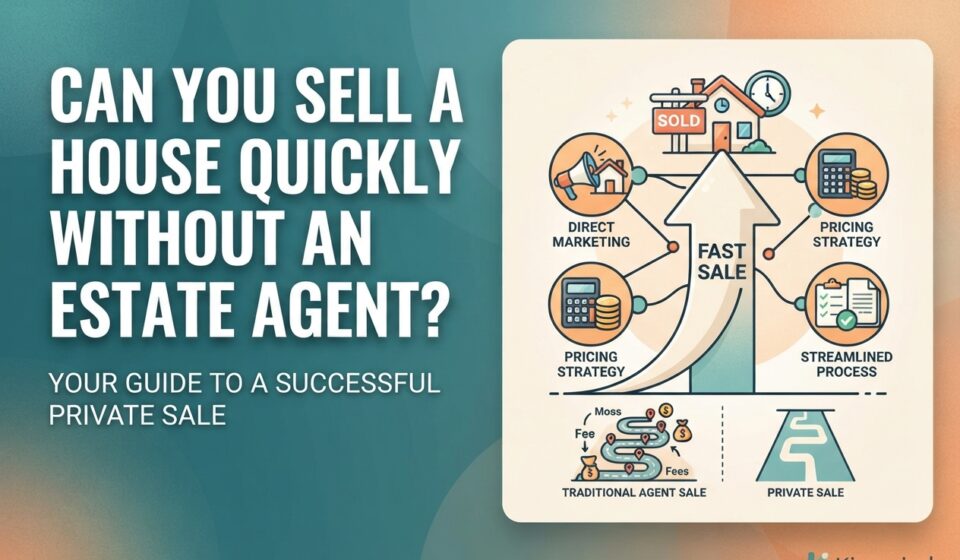
A homeowner can sell without appointing a traditional estate agent. The alternatives include direct cash buyers, auctions, private sales, online platforms, and personal marketing.
Each route offers a different balance of speed, price, certainty, and seller involvement. The quickest option may not produce the highest price, so compare the complete outcome carefully.
Routes for Selling Without an Estate Agent
A direct sale gives the homeowner more control over the process, but it also transfers many estate agent responsibilities to the seller.
Homeowners can approach homebuyers365.co.uk when they want to discuss a direct sale, their preferred completion date, and the present condition of the property.
The main selling routes include:
- Selling directly to a cash house buyer
- Arranging a private sale with someone known
- Listing the property through an online platform
- Entering the house into a property auction
- Approaching a landlord or property investor
- Advertising through personal and local networks
- Selling to the existing tenant
- Using a residential property buying service
The most suitable route depends on how quickly the owner needs to complete and how much work they are prepared to manage personally.
Available Alternatives to a Traditional Estate Agency Sale
Sellers should understand how each method works before choosing one. Some routes provide greater speed, while others offer broader exposure to potential buyers.
Direct Cash Sale
A direct cash buyer can purchase the property without public marketing or a chain-dependent purchaser. This route may reduce viewings and delays, although the offer may be lower than a fully marketed sale.
Private Sale to Someone You Know
A relative, neighbour, tenant, or acquaintance may already want the property. Agree the price and terms clearly, then use separate legal professionals so both parties fully understand the transaction.
Property Auction
An auction can create a fixed sales timetable and expose the property to active bidders. Sellers must prepare the legal pack early and understand the reserve price, fees, and binding auction conditions.
Online Property Platform
Some online platforms help owners advertise directly or buy limited marketing support. The seller usually handles enquiries directly, viewings, negotiations, buyer checks, and much of the coordination.
Residential Buying Service
A residential property buying service may assess the house, discuss the seller’s timescale, and make a direct offer. Clear written terms should explain the price, conditions, legal process, and completion target.
Sale to a Property Investor
A local landlord or investor may consider a house needing repairs or already occupied by tenants. Investors assess rental potential, improvement costs, local demand, and the margin needed for the purchase.
Sale Through Personal Marketing
Owners can promote a property through local contacts, community groups, or personal networks. This may find a buyer, but the seller remains responsible for screening enquiries and managing negotiations.
Responsibilities the Seller Must Handle
Removing an estate agent does not remove the practical and legal work involved in selling. The homeowner must either handle these tasks or appoint suitable professionals.
- Researching a realistic property price
- Preparing accurate photographs and descriptions
- Responding to enquiries from potential buyers
- Arranging and supervising property viewings
- Checking whether the buyer can proceed
- Negotiating the price and sale conditions
- Instructing a solicitor or licensed conveyancer
- Coordinating documents, enquiries, and completion
A seller should also keep records of important conversations and agreements. Clear written communication reduces confusion when several parties are involved.
Steps That Can Help the Sale Move Faster
Preparation affects speed regardless of the chosen selling route. Missing documents, unclear terms, and unverified buyers can delay even a simple direct transaction.
1. Set a Realistic Price
Use recent completed sales, property condition, location, and local demand to set a sensible figure. An inflated price can waste valuable time, while an unusually low price may create doubt or reduce returns.
2. Prepare Key Documents
Collect title information, guarantees, certificates, planning records, service details, and property forms early. Organised documents help the legal team answer enquiries without avoidable searches and delays.
3. Present the Property Clearly
Remove clutter, complete basic cleaning, and take accurate photographs that show each important room. Honest presentation attracts suitable buyers and reduces surprises during viewings or later inspections.
4. Answer Enquiries Promptly
Fast responses keep serious buyers engaged. Provide accurate information about tenure, boundaries, services, occupancy, alterations, known defects, and the expected timescale without making unsupported claims.
5. Confirm Buyer Funding
Ask for evidence showing how the purchase will be funded. A cash claim should be verified, while a mortgage buyer should demonstrate an agreement in principle and enough money for the required deposit.
6. Instruct Legal Support Early
Choose a solicitor or licensed conveyancer before accepting an offer. Early instruction allows identity checks, forms, title review, and document collection to begin while the buyer prepares their position.
7. Keep the Transaction Moving
Maintain regular contact with the buyer and legal representatives, respond quickly to requests, and track unresolved issues. Clear communication helps prevent small questions from becoming avoidable delays.
Conclusion
You can sell a house quickly without an estate agent through a direct buyer, auction, private sale, or self-managed listing. The right route depends on price expectations, property condition, urgency, and the work you can handle. Prepare documents early, verify the buyer, use independent legal support, and compare the net result for your property before accepting any offer or signing an agreement.