
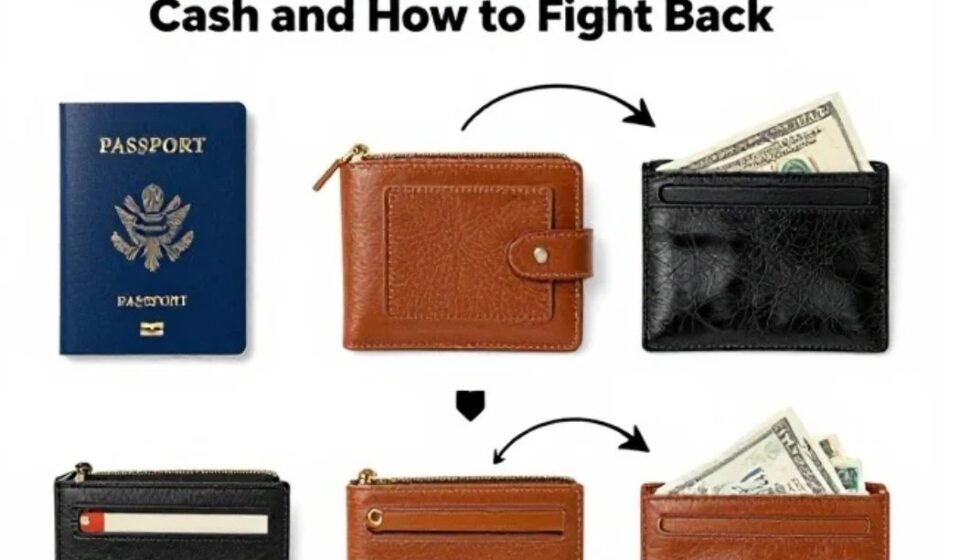
Picture this: You’re at the check-in counter in a foreign country. The agent asks for your passport. You reach into your bag, past the loose receipts, the chapstick, and the half-empty water bottle, and find… nothing. The pocket where you swore you put it is empty. A cold sweat breaks out. The line behind you sighs. The agent waits.
I’ve been that traveler. It’s why I now treat a travel wallet not as an accessory, but as a piece of critical travel infrastructure. Your everyday wallet was designed for convenience at home—not for the high-stakes, high-theft, multi-document chaos of international transit.
In 2026, the best travel wallets have evolved far beyond glorified passport holders. They are organized command centers designed to separate your boarding pass from your boarding group, protect your contactless cards from digital skimming, and ensure that when the agent asks for your documents, you look like a pro—not a panicked tourist.
Whether you are a carry-on-only minimalist, a family document-wrangler, or a business traveler navigating three currencies in a single week, this guide will walk you through the exact features that matter, the models that actually perform, and the mistakes that can cost you your trip.
Background: Why Your Everyday Wallet Fails the Transit Test
A standard bifold wallet holds cards and cash. A travel wallet solves three specific problems that a normal wallet ignores entirely.
First, document capacity. A passport is 125mm x 88mm. It does not fit in a standard wallet. Shoving it into a back pocket or letting it float loose in a tote bag is how passports get bent, lost, or stolen. A dedicated travel wallet provides a secure, flat home for this document.
Second, the security layer. In crowded markets, train stations, and tourist hubs, the risk isn’t just physical pickpocketing—it’s electronic. RFID skimming allows thieves to read contactless card data through fabric using portable scanners. A travel wallet with RFID-blocking lining acts as a Faraday cage for your cards and biometric passport.
Third, workflow. The airport is a series of checkpoints: check-in, security, passport control, boarding. Each checkpoint requires a different combination of documents. A travel wallet organizes these into predictable, labeled compartments so you aren’t that person holding up the security line while digging through a bottomless backpack.
The 2026 Travel Wallet Landscape: Three Distinct Archetypes
After testing and researching the current market, I’ve found that the best travel wallets fall into three clear categories. Choosing the wrong category for your travel style is the most common mistake.
Archetype 1: The Zip-Around Document Organizer (The Airport Command Center)
This is the classic travel wallet format. It’s a zip-around folio designed to hold a passport, cards, boarding passes, and multiple currencies. It stays in your carry-on or personal item and comes out for transit days.
The Standout: The Bellroy Travel Folio remains the gold standard for frequent international travelers. It holds one or two passports, six cards, flat bills of any currency, a micro pen for arrival forms, and even a SIM card with an ejector pin. The RFID protection is built through the exterior walls, covering everything inside. Testers note that the layout is thoughtful enough that you can reach for a boarding pass without opening the whole folio.
The Budget Alternative: If you are a family traveler who needs to wrangle multiple passports, the Amazon Basics Travel Wallet is a surprisingly functional $10 option. It held the most items of any wallet CNN tested—including multiple passports and a phone—though it is bulky and feels more like a pencil case than a luxury accessory.
Archetype 2: The Slim Front-Pocket RFID Wallet (The Daily Grind)
For days when you are not transiting and just need local currency and one card for lunch, a bulky folio is overkill. The solution is a dedicated slim wallet that lives in your front pocket (never your back pocket—that is a pickpocket’s welcome mat).
The Standout: The Travelon RFID Blocking Leather Front Pocket Wallet is the practical budget pick. It’s a curved leather bifold with six card slots and RFID blocking, designed specifically for front-pocket carry. It won’t hold a passport, but that shouldn’t be in your pocket anyway—it belongs in the hotel safe or a hidden pouch.
The Upgrade: The Bosca Dolce Zip Passport Wallet earned Men’s Journal’s 2026 Travel Award for best overall wallet because it bridges the gap. It is small enough to feel like a wallet, but the zip closure and tall center pocket accommodate a passport and Euros (which are taller than US bills). The full-grain Italian leather looks professional enough for a business dinner.
Archetype 3: The Hidden Security Layer (The Deep Backup)
Here is the uncomfortable truth that most travel wallet guides skip: RFID blocking does nothing if a thief physically takes the wallet from your hand or pocket. A neck pouch or money belt is not a replacement for your primary wallet; it is a second layer of defense for your backup card, emergency cash, and passport copy.
The Standout: The Zero Grid Neck Wallet is the practical choice for high-theft environments. Worn under a shirt, it keeps documents physically inaccessible. It is made of water-resistant ripstop nylon with YKK zippers. The key insight from security-focused travelers is to treat this as deep storage—not the wallet you dig into at a market stall, but the one that ensures you still have a way home if your primary wallet disappears.
The Features That Actually Matter (And What to Ignore)
What Matters: RFID Blocking at 13.56 MHz
Not all RFID blocking is created equal. The frequency used by passports and contactless payment cards globally is 13.56 MHz. Some cheap wallets only block lower frequencies, leaving your passport and cards vulnerable. When buying, look for explicit claims of 13.56 MHz protection or stick to reputable brands that test their shielding.
What Matters: Zipper Closure Over Open Folios
An open-top passport folio will eject its contents if you drop your bag or if it gets jostled in an overhead bin. A full zip-around closure is non-negotiable for the primary document organizer. Multiple testers highlight that the security of knowing nothing can slide out is worth the minor inconvenience of unzipping.
What Matters: Currency Separation
If you are traveling through multiple countries, the “one big cash pocket” design is a nightmare. The best organizers have separate zippered or flat compartments for different currencies. The Baggallini RFID Currency Organizer, for example, has four exterior pockets that users specifically praise for keeping Euros, Dollars, and local currency separate without confusion.
What to Ignore: “Slim” Marketing for Passport Wallets
A wallet that holds a passport, cards, and cash will never be truly slim. It is physically impossible. The Leatherology zip-around wallet, for instance, is gorgeous full-grain leather, but it is nine inches long and does not fit comfortably in a pocket—it is a bag item. Accept this. A travel organizer lives in your personal item. A slim wallet lives in your pocket. Trying to find one product that does both perfectly leads to compromises on both ends.
What to Ignore: Luxury Leather for Adventure Travel
If your trip involves beaches, hiking, or hostels, a £285 Smythson calfskin case is the wrong tool. It will get scratched, wet, and stressed. Look for water-resistant nylon (like the Fjällräven Kånken Travel Wallet) or vegan microfiber that can handle the elements. Save the full-grain leather for city breaks and business travel.
Practical Tips: How to Build a Layered Travel Wallet System
Based on the testing insights from security-focused travelers and frequent flyers, here is the system I recommend for most international trips:
Layer 1: The Transit Folio (in your personal item)
Use a zip-around organizer like the Bellroy Travel Folio or the Bosca Dolce. This holds your passport, primary credit cards, boarding passes, and a pen for landing cards. It comes out at check-in, security, and boarding. It goes back into your bag immediately after.
Layer 2: The Daily Slim Wallet (in your front pocket)
Carry a slim RFID-blocking wallet with one credit card, one debit card, and enough local currency for the day. If you are in a high-theft area, this is the only wallet you physically carry on your person. If it is stolen, you lose very little.
Layer 3: The Hidden Backup (under your clothes)
A neck pouch or money belt containing your second passport (if you have one), a backup credit card, and emergency cash in USD or Euros. This never comes out in public. It is your insurance policy.
Common Mistakes and How to Fix Them
Mistake 1: Keeping your passport in your back pocket.
A passport in a back pocket is bent, sweaty, and a prime target for pickpockets in crowded metros. Fix: Your passport stays in the zip folio in your bag or in the hotel safe. Carry a photocopy or a digital photo on your phone for daily ID needs where legally acceptable.
Mistake 2: Buying a wallet that is “almost” the right size.
Some budget wallets claim to hold a passport but the slot is too tight, causing you to struggle at the border control desk. Fix: Read reviews that specifically mention passport fit. Bellroy and Bosca are consistently praised for accommodating standard passports without a wrestling match.
Mistake 3: Overstuffing the organizer.
A travel wallet is not a suitcase. When you stuff it with coins, receipts, and three extra cards, the zipper stress increases and the closure can fail. Fix: Empty receipts nightly. Use a separate small coin purse if you are traveling in countries that use coins heavily (looking at you, UK and Eurozone).
Mistake 4: Assuming RFID blocking protects against physical theft.
This is the biggest false sense of security in the travel gear market. RFID blocking stops digital skimming. It does nothing to stop a snatch-and-run. Fix: Combine RFID protection with physical security measures: front pockets, zipped bags, and hidden pouches in high-risk areas.
Pros, Cons, and the Balanced Verdict
The Case for a Dedicated Travel Wallet:
-
Organization reduces stress. Knowing exactly where your passport and boarding pass are at every checkpoint is a genuine quality-of-life improvement during travel.
-
Security is layered. RFID protection combined with secure closures and the ability to separate daily carry from deep storage reduces both digital and physical risk.
-
It protects your documents. A dedicated slot prevents passport bending and page damage.
The Honest Cons:
-
Bulk. A full organizer with a passport, cards, and cash takes up real space. If you are traveling with a tiny purse, it will dominate the interior.
-
Cost. A quality leather folio from Bellroy or Bosca costs between $100 and $200. The budget Amazon Basics option works, but feels like a pencil case.
-
The “two-wallet problem.” You will likely still need a slim wallet for daily use, meaning you are carrying two items instead of one. The best system accepts this reality rather than fighting it.
The Verdict: For any international trip involving air travel, a zip-around RFID travel folio is worth the investment and the space. For domestic or short weekend trips, a slim RFID front-pocket wallet is sufficient.
Future Trends: What’s Coming for Travel Wallets in 2026 and Beyond
Biometric and Digital ID Integration. As more countries roll out digital travel credentials and mobile passport control, the physical wallet’s role is shifting. We are likely to see wallets with dedicated, shielded phone sleeves that allow you to access digital ID without exposing your cards.
Tracking Technology Built In. Apple’s Find My and Tile integration is moving from luggage into wallets. Expect to see more travel organizers with dedicated, shielded pockets for tracker cards, so you can locate your passport folio if it is left in a taxi or airport lounge.
Sustainable Materials at Scale. Bellroy already uses leather from gold-rated Leather Working Group tanneries, and brands like Monos are using ultra-microfiber vegan leather that is water-resistant and durable. As the market matures, expect sustainable, high-performance materials to become the standard rather than the premium option.
The “Phygital” Wallet. The Monos Metro Folio Kit already accommodates a mini tablet or Kindle alongside documents. As travelers increasingly carry a phone, a tablet, and a passport, the travel wallet is evolving into a compact tech-document hybrid rather than just a cash-and-card holder.
Key Takeaways: Your Travel Wallet Cheat Sheet
-
Your everyday wallet is a liability abroad. It lacks RFID protection, document capacity, and organizational structure.
-
The best system is layered. A zip-around folio for transit, a slim RFID wallet for daily carry, and a hidden pouch for backup are better together than any single product.
-
The Bellroy Travel Folio is the top choice for frequent international travelers who want organization, RFID protection, and thoughtful design in one package.
-
The Bosca Dolce Zip Passport Wallet is the best leather option that balances style with security, fitting a passport and tall currencies like Euros.
-
The Travelon Front Pocket Wallet is the practical budget pick for daily RFID-protected carry when your passport is secured elsewhere.
-
The Amazon Basics Travel Wallet is a functional, ultra-budget option for families needing maximum capacity, but expect bulk and a short lifespan.
-
RFID blocking is not theft-proofing. Physical security (front pockets, zips, hidden pouches) matters just as much as electronic shielding.
-
Check the frequency. Ensure your wallet blocks at 13.56 MHz to cover passports and modern contactless cards.
Detailed FAQs
Q: Can I put my passport in an RFID-blocking wallet and still use it at border control?
Yes. You simply open the wallet and hand the passport to the agent, or slide it out. The RFID blocking is in the lining of the wallet, not the passport itself. The passport’s chip is only read when the agent scans the data page, which requires the passport to be open or removed.
Q: Is a travel wallet worth it for domestic travel?
For domestic flights, a slim RFID wallet is usually sufficient. You do not need a passport, and a boarding pass can live on your phone. The full folio is most valuable when you are crossing borders and dealing with multiple currencies and documents.
Q: What is the difference between a travel wallet and a passport holder?
A passport holder typically holds only a passport and maybe a card or two. A travel wallet is larger and includes card slots, currency compartments, a boarding pass sleeve, and sometimes a pen or SIM card slot. The terms are often used interchangeably, but a true travel wallet offers more organizational capacity.
Q: Will an RFID-blocking wallet damage my credit cards?
No. RFID-blocking wallets use passive shielding (a metallic mesh or lining) that blocks radio waves. They do not emit any signals or magnetic fields that could erase card data. Your cards are safe.
Q: Can I carry two passports in one travel wallet?
Yes, but you need to choose the right model. The Bellroy Travel Folio has two separate passport pockets and is specifically designed for couples or dual citizens. The Troubadour passport wallet can hold up to four passports, making it the best choice for families.
Q: How do I stop my travel wallet from smelling like leather and sweat after a long trip?
Leather wallets can absorb moisture and odor. Empty the wallet completely, wipe the interior with a dry cloth, and let it air out in a shaded, ventilated area. Do not use heat or direct sunlight, which can crack the leather. For nylon wallets, a damp cloth with mild soap is sufficient.
FOR FURTHER INFORMATION, VISIT: THELUXURYLIFEMAGAZINE.COM