
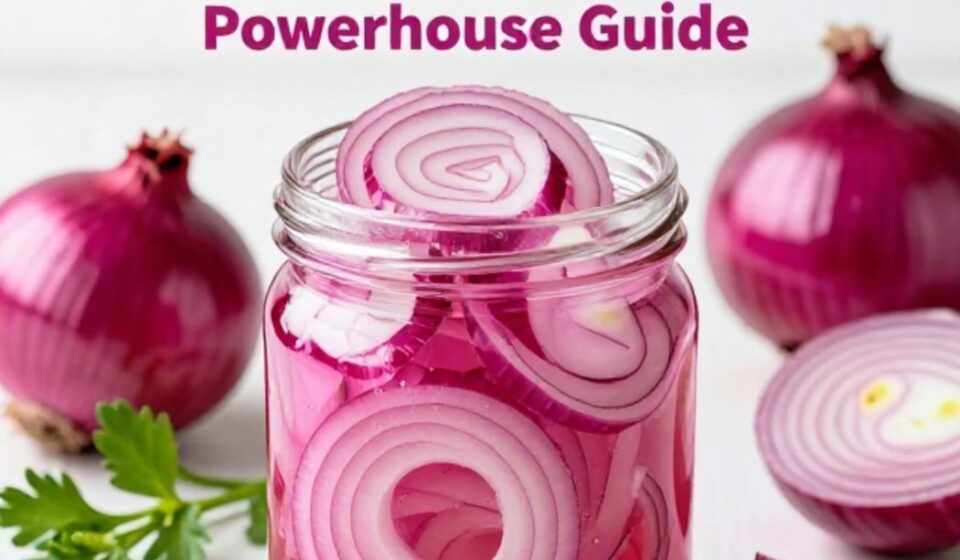
What if I told you that the most powerful flavor upgrade in your kitchen right now costs less than a dollar, takes fifteen minutes of actual work, and transforms everything from a sad desk sandwich to a Tuesday-night taco? It isn’t a fancy sauce or a rare spice. It’s a jar of pickled red onions.
You’ve seen them. Those neon-pink, translucent slivers draped over carnitas at your favorite taqueria, tucked into a gourmet burger, or scattered across a grain bowl in a glossy food magazine. They look like they require training. They don’t. In fact, the magic of pickled red onions is that they are almost embarrassingly easy—yet they deliver a sophistication that makes people think you went to culinary school.
But here’s what most articles won’t tell you: the journey from sharp, tear-inducing raw onion to a crunchy, sweet-tart flavor bomb is a masterclass in food chemistry, texture engineering, and smart kitchen economics. In 2026, as home cooks and professional chefs alike lean harder into high-impact, low-effort ingredients, the humble pickled red onion has quietly become the MVP of the modern pantry. Let’s unpack why—and exactly how to master it.
Background / Context: From Taqueria Staple to Global Trend
Pickled onions are not new. Virtually every culinary tradition with access to vinegar and onions has a version: British pub pickled onions, Indian sirka pyaz, Mexican cebollas encurtidas, and the quick-pickled “pink onions” that have become a fixture of third-wave coffee shops and fast-casual chains alike.
What is new is the scale at which this condiment has moved from the periphery to the center of the plate. According to data cited by The Guardian and reported in late 2026, roughly 8.5 million UK households purchased pickled onions in the past year, with sales value jumping 12% in just twelve weeks. More tellingly, Michelin-starred kitchens have begun incorporating pickles—including pickled onions—not as a side, but as a deliberate, acid-driven component designed to cut through rich, fatty dishes.
The reason is simple: modern palates are exhausted by sugar and salt. We crave brightness. We crave acid. And we crave texture. A spoonful of pickled red onions delivers all three in one stroke, without adding a single calorie-dense ingredient to the plate.
Main In-Depth Sections
The Science of the Pink: Why Anthocyanins Are Your Best Friend
If you’ve ever made pickled red onions, you’ve witnessed the transformation: the moment hot vinegar hits the sliced onion, the dull purple-red fades and a vivid, almost electric fuchsia blooms. This isn’t food coloring. It’s chemistry.
Red onions contain anthocyanins, the same water-soluble pigments found in blueberries, cherries, and red cabbage. These pigments are pH-sensitive. At a low pH (around 3 or below, which is the environment created by vinegar), anthocyanins carry a positive charge and reflect red-pink light. At neutral or alkaline pH, they shift toward blue or even colorless. That’s why your pickled onions turn pink while your blueberry muffins sometimes turn green—same molecule, different pH neighborhood.
The practical takeaway: If your pickled onions look pale or muddy, your brine isn’t acidic enough. Stick to vinegars with at least 5% acidity (most standard vinegars qualify), and don’t dilute too aggressively with water. A 1:1 vinegar-to-water ratio is safe; pushing toward 2:1 vinegar-to-water intensifies both the color and the shelf life.
The Texture Problem: Why Some Pickled Onions Are Limp (and How to Fix It)
Here’s a nuance that most recipes skip: the way you slice the onion matters as much as the brine.
When you slice an onion crosswise (into rings), you cut through the long fibers that give it structural integrity. The result is a softer pickle that collapses quickly. When you slice lengthwise, from root to tip, you preserve those fibers, and the onion retains its snap even after days in the brine. This is the single biggest upgrade most home cooks can make.
There’s also the question of heat. Pouring boiling brine over the onions does two things: it slightly softens the raw, sulfurous bite (blanching the surface) and it accelerates the pickling process, so the onions are edible in as little as 30 minutes. But if you want maximum crunch, let the brine cool for five minutes before pouring. The trade-off is time: cooled brine needs a few hours to penetrate fully. For most weeknight purposes, the hot-brine method wins.
Beyond the Basic Brine: Flavor Architecture for 2026
The classic brine—vinegar, water, sugar, salt—is a blank canvas. Here’s where the 2026 palate is heading:
The Acid Swap: Apple cider vinegar brings a fruity, almost apple-juice roundness. Red wine vinegar is sharper and more austere, excellent for beef or rich pork. Rice vinegar is the gentlest, ideal for Asian-inspired bowls or fish tacos. A 2026 trend worth stealing from professional kitchens: blending two vinegars (e.g., 70% cider, 30% rice) for complexity without aggression.
The Sweetener Shift: White sugar is standard, but honey, maple syrup, and even a splash of orange juice are appearing in contemporary recipes. The citrus version—with orange quarters and preserved lemon—reduces refined sugar while adding a floral brightness that pairs beautifully with grilled fish.
The Spice Route: Mustard seeds and black peppercorns are classic. But consider coriander seeds (citrusy), a dried chile (heat and deeper color), or a bay leaf (subtle herbal backdrop). The key is restraint: two or three aromatics maximum, or the onion’s own character gets buried.
The Health Angle: What You’re Actually Getting
Let’s be clear: pickled red onions are not a “health food” in the medicinal sense. But they are a smart food. A quarter-cup serving contains roughly 13 calories, 3 grams of carbs, and a gram of fiber. You’re also getting a small dose of vitamin C and the antioxidants native to red onions, which are preserved through the pickling process. The vinegar itself contributes acetic acid, which has been associated with modest improvements in blood sugar response and satiety.
The more honest health story is behavioral: pickled red onions make plain, nutrient-dense foods—beans, greens, grilled chicken, eggs—taste exciting. If a spoonful of pink onions makes you eat more salads and bowls, that’s a net win far greater than any micronutrient tally.
The Economics of a Jar
Here’s a number that should make you angry at the grocery store: a small jar of artisanal pickled red onions often retails for $8 to $12. The ingredients cost roughly $1.50. One large red onion yields enough pickles to fill a pint jar. The brine is vinegar, water, and pantry staples. The labor is ten minutes of slicing and five minutes of simmering.
This is the quiet case for making them yourself that goes beyond taste: pickled red onions are one of the highest-margin items in the deli case. Once you realize that, the fifteen minutes becomes an obvious investment.
Practical Tips / How-to: The Reliable 15-Minute Method
This is the method I return to weekly. It is forgiving, scalable, and produces consistent results.
What You Need:
-
1 large red onion (firm, no soft spots)
-
¾ cup vinegar (apple cider or red wine)
-
¾ cup water
-
1 tablespoon sugar (or honey)
-
1½ teaspoons kosher salt or sea salt
-
Optional: ½ teaspoon mustard seeds, ½ teaspoon black peppercorns, 1 dried chile, 1 bay leaf
The Process:
-
Slice lengthwise. Cut the onion in half through the root, peel, then slice from root to tip into thin, uniform crescents. A mandoline helps, but a sharp knife and patience work fine.
-
Pack the jar. Tightly pack the onions into a clean pint jar. Tuck aromatics between layers.
-
Simmer the brine. Combine vinegar, water, sugar, and salt in a small saucepan. Bring to a simmer, stirring until dissolved. Do not boil hard.
-
Pour hot, cool slow. Pour the hot brine over the onions, ensuring they’re fully submerged. Press down with a spoon to release air bubbles. Let the jar sit uncovered on the counter for 30 minutes.
-
Refrigerate. Seal and refrigerate. They’re edible after 30 minutes, good after 2 hours, and best after overnight.
Storage: Keep refrigerated. They’ll stay crisp and flavorful for 2 to 3 weeks. They are not shelf-stable without water-bath canning, which is a different process entirely.
Common Mistakes or Challenges + Solutions
| Mistake | Why It Happens | The Fix |
|---|---|---|
| Mushy onions | Sliced crosswise or brine too diluted | Slice lengthwise; keep vinegar ratio at 50% or higher |
| Pale, not-pink onions | Brine too weak or onions too old | Use fresh red onions; ensure vinegar is at least 5% acidity |
| Overpowering raw burn | Brine wasn’t hot enough or onions sat too briefly | Pour brine at a simmer; let rest at least 30 minutes before eating |
| Too sweet | Sugar overcompensating for harsh vinegar | Start with 1 tablespoon per cup of liquid; taste brine before pouring |
| Slimy texture after a week | Onions not fully submerged or jar contaminated | Pack tightly, keep submerged, use clean jars and utensils |
One overlooked challenge: the jar smell. A jar of pickled onions can perfume your entire fridge with vinegar sharpness. The solution is simple: seal tightly and store in the door or a less-frequented shelf. A small piece of plastic wrap under the lid can also help.
Pros, Cons, and Balanced Analysis
The Case For:
-
Unmatched flavor-to-effort ratio. Fifteen minutes for two weeks of meals.
-
Cost-effective. Pennies per serving compared to store-bought.
-
Versatile. They work on tacos, burgers, sandwiches, salads, grain bowls, eggs, grilled cheese, and even pizza.
-
Visually stunning. The pink color elevates presentation with zero plating skill.
-
Nutritionally neutral to positive. Low calorie, some fiber, antioxidant preservation.
The Honest Drawbacks:
-
Refrigerator space. A pint jar here, a quart jar there—it adds up.
-
Not shelf-stable. This is a fridge pickle; it won’t survive a pantry.
-
The “pickle person” bias. Some people simply don’t like vinegar-forward flavors. No recipe fixes that.
-
Color fading. After two weeks, the pink begins to dull. They still taste good, but the visual pop declines.
The Verdict: For anyone who cooks even semi-regularly, pickled red onions are a net positive with almost no downside beyond fridge real estate. They are the definition of a high-leverage kitchen habit.
Future Trends or Predictions
Looking ahead to the rest of 2026 and into 2027, a few currents are worth watching:
Fermentation beyond vinegar. While quick-pickling dominates home kitchens, probiotic-fermented onions (using lactic acid bacteria rather than vinegar) are appearing in health-focused food media. Research on fermented onions with probiotic starters shows promising antioxidant activity and a pH drop to around 3.1–3.5 after 28 days. Expect to see more “gut-health pickled onions” in specialty stores—though the flavor is funkier and more sauerkraut-adjacent than the bright vinegar pickle most of us know.
Pickle-flavored everything. The British market has already seen pickle-flavored sparkling water and a 30% year-over-year rise in overall pickle sales. Whether this is a durable trend or a novelty bubble is unclear, but pickled red onions are well-positioned as the “gateway pickle” for a generation raised on sriracha and kimchi.
Zero-waste kitchen synergy. Pickled red onions are a natural home for the slightly limp vegetables at the back of the crisper. Carrots, cauliflower florets, and garlic cloves can all join the jar. As food-waste consciousness grows, the “clean-out-the-fridge pickle” will become a more common home ritual.
Conclusion with Key Takeaways
Pickled red onions are not a trend. They are a technique—one that happens to produce something beautiful, delicious, and absurdly practical. Whether you’re a beginner who has never boiled vinegar or a seasoned cook looking for a faster flavor upgrade, the jar in your fridge is a small daily reminder that the best culinary tools are often the simplest.
Key Takeaways:
-
Slice lengthwise for crunch that survives the brine.
-
Keep your vinegar ratio at 50% or higher for color, safety, and shelf life.
-
Hot brine = fast results; cooled brine = maximum crisp. Choose based on your timeline.
-
Two or three aromatics max. Let the onion speak.
-
Refrigerate and consume within 2–3 weeks. This is a fridge pickle, not a canned good.
-
The economics are absurd. Make them yourself.
Quick Summary Box:
What: Quick-pickled red onions—thin slices of red onion brined in vinegar, water, salt, and sugar.
Time: 15 minutes active; 30 minutes minimum to eat; overnight for best flavor.
Why: Acid, crunch, and color for tacos, sandwiches, bowls, and more.
Storage: Refrigerator, 2–3 weeks. Not shelf-stable.
Pro tip: Slice from root to tip. Your future self will thank you.
Detailed FAQs
How long do pickled red onions last?
Refrigerated and fully submerged, they stay fresh and crisp for 2 to 3 weeks. After that, they’re still safe but begin to lose texture and color vibrancy.
Can I reuse the brine?
Technically yes, but the flavor weakens and the acidity drops. For safety and quality, make fresh brine for each batch. The old brine is excellent in salad dressings or marinades.
Why did my onions turn blue or grey?
Anthocyanins shift color with pH. If your water is alkaline or you used a low-acidity vinegar, the pigments can drift toward blue-grey. Use distilled water if your tap is hard, and verify your vinegar is 5% acidity.
Do I have to use red onions?
For the iconic pink color, yes. White or yellow onions will pickle fine but stay pale. If you want pink without red onions, add a slice of beet or red cabbage to the jar.
Are pickled red onions keto-friendly?
In small amounts, yes. A quarter-cup has about 3 grams of carbs, most of which is fiber. The sugar in the brine contributes minimally per serving.
Can I make them without sugar?
Absolutely. Sugar balances the vinegar’s sharpness, but you can reduce or omit it. Honey, maple syrup, or a splash of orange juice are popular alternatives.
What’s the difference between quick-pickled and fermented onions?
Quick-pickling uses vinegar to acidify the onions in minutes or hours. Fermentation relies on lactic acid bacteria to produce acid over days or weeks, resulting in a funkier, probiotic-rich product. They are different foods with different uses.
Sources
This article draws on established food science principles and culinary references, including:
-
America’s Test Kitchen / Cook’s Illustrated for the anthocyanin pH explanation.
-
Epicurious for culinary scientist Jessica Gavin’s insights on the color reaction and crunch preservation.
-
EatingWell for nutrition data on pickled red onions.
-
Healthline for onion and vinegar health context.
-
Znam.si for the lengthwise slicing technique and hot-brine method.
-
The Guardian / Worldpanel by Numerator data, as reported in Arabic-language media, for 2026 UK pickle sales trends.
-
Alphafoodie for antioxidant preservation context.
-
Nutrition & Food Science (2022) for probiotic-fermented onion research.
-
Instacart for the citrus-pickle variation.
-
Daily Meal for color-enhancement tips.
Note: Some 2026 trend data is drawn from secondary reporting; treat specific sales figures as directional rather than audited.
FOR FURTHER INFORMATION, VISIT: THELUXURYLIFEMAGAZINE.COM